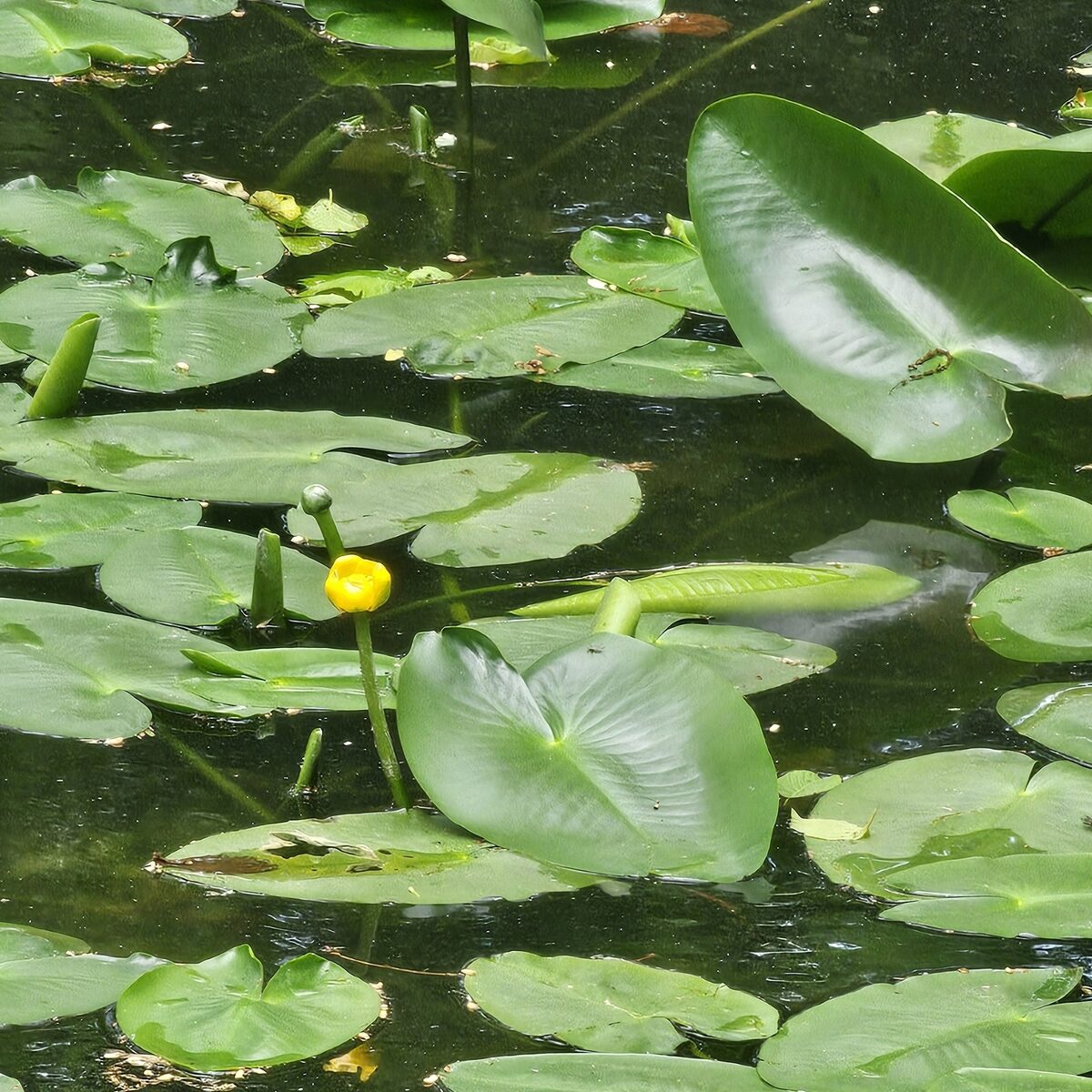
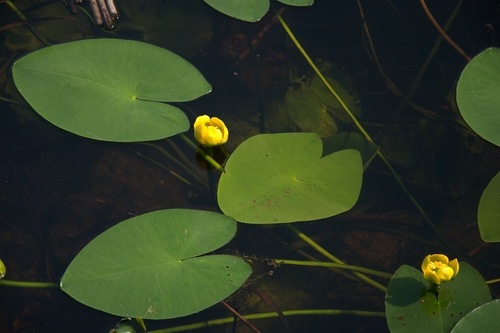
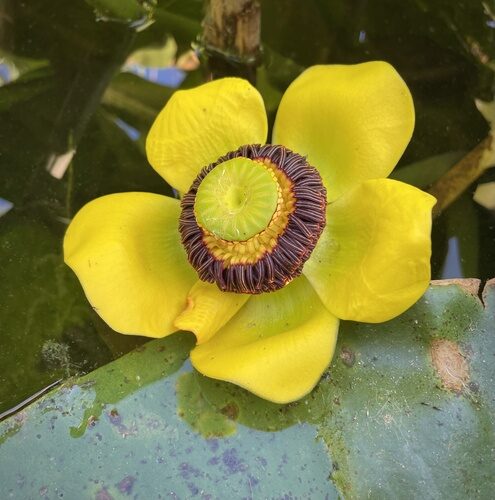
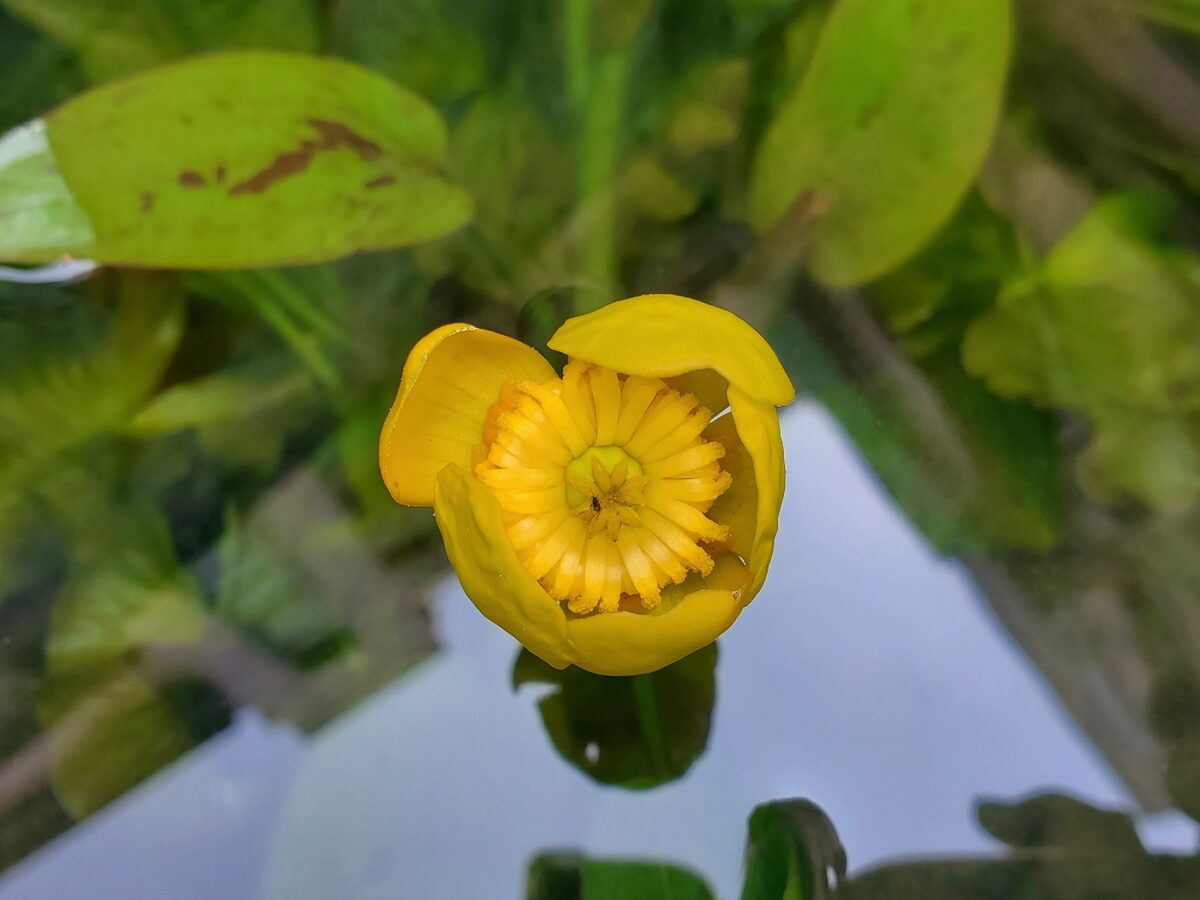
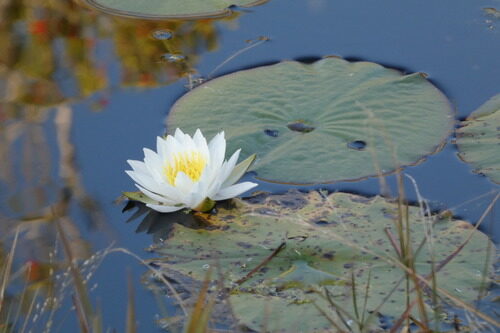
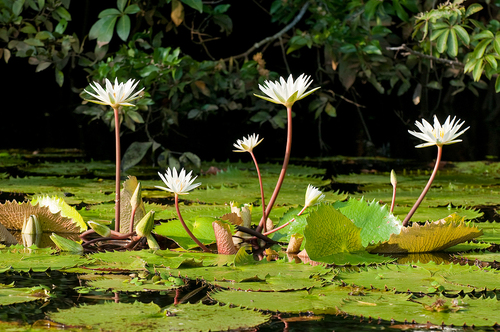
Nymphaea jamesoniana
Planch.
iNaturalist· cc-by-nc
(c) z7nikon, some rights reserved (CC BY-NC), uploaded by z7nikon
iNaturalist· cc-by-nc
(c) z7nikon, some rights reserved (CC BY-NC), uploaded by z7nikon
iNaturalist· cc-by-nc
(c) z7nikon, some rights reserved (CC BY-NC), uploaded by z7nikon
Summary
Source: WikipediaNymphaea jamesoniana is a species of waterlily native to the USA (Western Florida), Mexico, and tropical South America.
Description
A waterlily. It has rhizomes or underground stems. The leaves are oval or almost round and 9-17 cm long by 8-15 cm wide. The flowers occur singly. They are 6-9 cm across.
Edible Uses
Nymphaea jamesoniana has been employed in the treatment of conditions such as irritated eyes, dysentery, and skin lesions. It has been utilized for its astringent properties. There are claims that its flowers possess narcotic properties. The Chorote people of Argentina use the rhizomes as food. Apart from the Chorote people, the rhizomes are also used by Wichi, Western Toba, and Pilagá.
Traditional Uses
The inner part of the rhizome is eaten. It is sometimes boiled.
This uses section is brief — help expand it
Distribution
It is a subtropical plant. In Argentina it grows below 500 m above sea level.
Where It Grows
Argentina, Bolivia, Brazil, Central America, Colombia, Costa Rica, Ecuador, El Salvador, Guatemala, Guyana, Honduras, Nicaragua, North America, Paraguay, South America, USA,
Synonyms
Also Known As
Koyeka si'mpe, Aleena kyoti hi-mpe
References (3)
- Arenas, P. and Scarpa, G. F., 2006, Edible wild plants of the Chorote Indians, Gran Chaco, Argentina. Botanical Journal of the Linnean Society. Vol. 153 (1): pp 73-85
- Kew Plants of the World Online
- Scarpa, G. F., 2009, Wild food plants used by the indigenous peoples of South American Gran Chaco: A general synopsis and intercultural comparison. Journal of Applied Botany and Food Quality 83:90-101