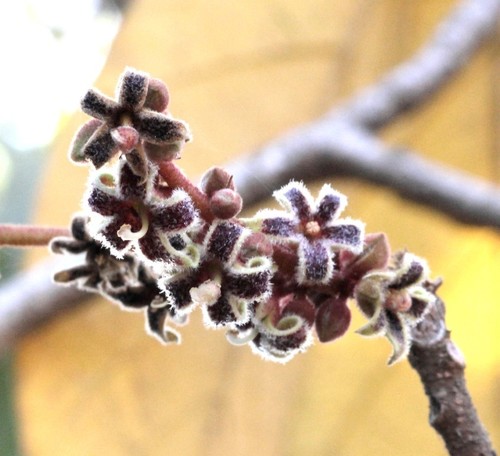
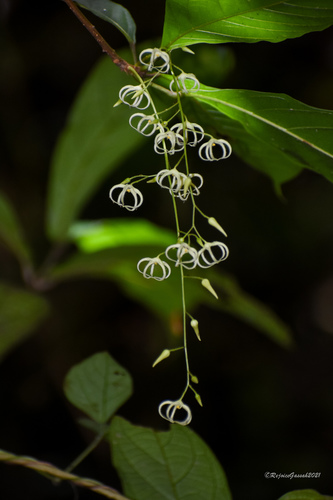
Erinocarpus nimmonii
J. Grah.
Nimmo's erinocarpus
iNaturalist· cc-by-sa
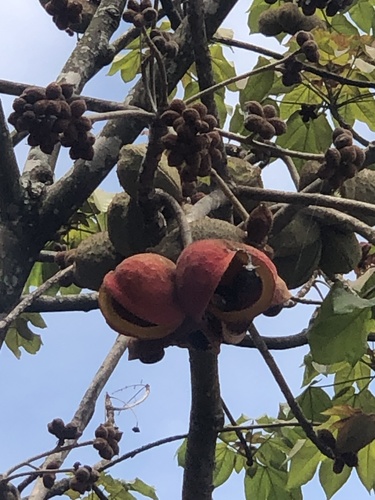
(c) Dinesh Valke, some rights reserved (CC BY-SA)
iNaturalist· cc-by-nc
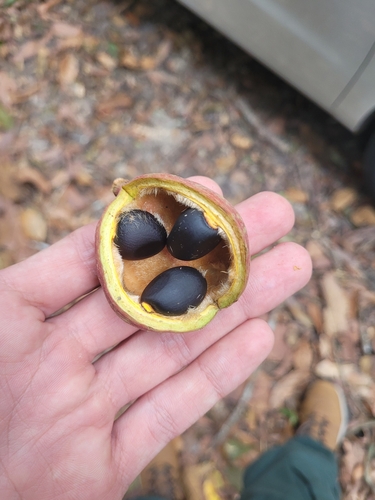
(c) Indianature SD, some rights reserved (CC BY-NC)
iNaturalist· cc-by-sa
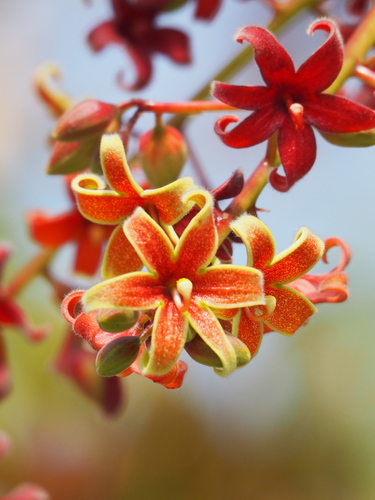
(c) Dinesh Valke, some rights reserved (CC BY-SA)
Description
A small tree. The leaves are alternate and have irregular lobes. The flowers are large and yellow. They are in loose groups at the ends of branches. They have 5 large, spoon-shaped petals. The flowers are 5-7 cm across. The fruit are 4-5 cm across. They have 3 wings and are heart shaped. They have long stiff prickles.
Edible Uses
Fruit. Used as a vegetable. In good times the fruit is only occasionally eaten, but it becomes an important food in times of shortage. The woody fruit is 4 - 5cm long and covered with large broad-based prickles, The seed, however, has a fleshy albumen.
Distribution
It is a tropical plant. It grows in deciduous forests. Deccan.
Where It Grows
Asia, India,
Cultivation
A fast-growing tree. The large yellow flowers are attractive.
Other Uses
The fibrous bark is used for making ropes. An excellent fibre for ropes. The white wood is soft. Of little value, it is sometimes used for yokes and rafters.
Other Information
The fruit is an important famine food.
Notes
These have also been in the Tiliaceae.
Synonyms
Also Known As
Cher, Chira, Haladi, Jangli Bhendi, Kadu bende, Kadve bende
References (2)
- Ambasta, S.P. (Ed.), 2000, The Useful Plants of India. CSIR India. p 201
- WATT,