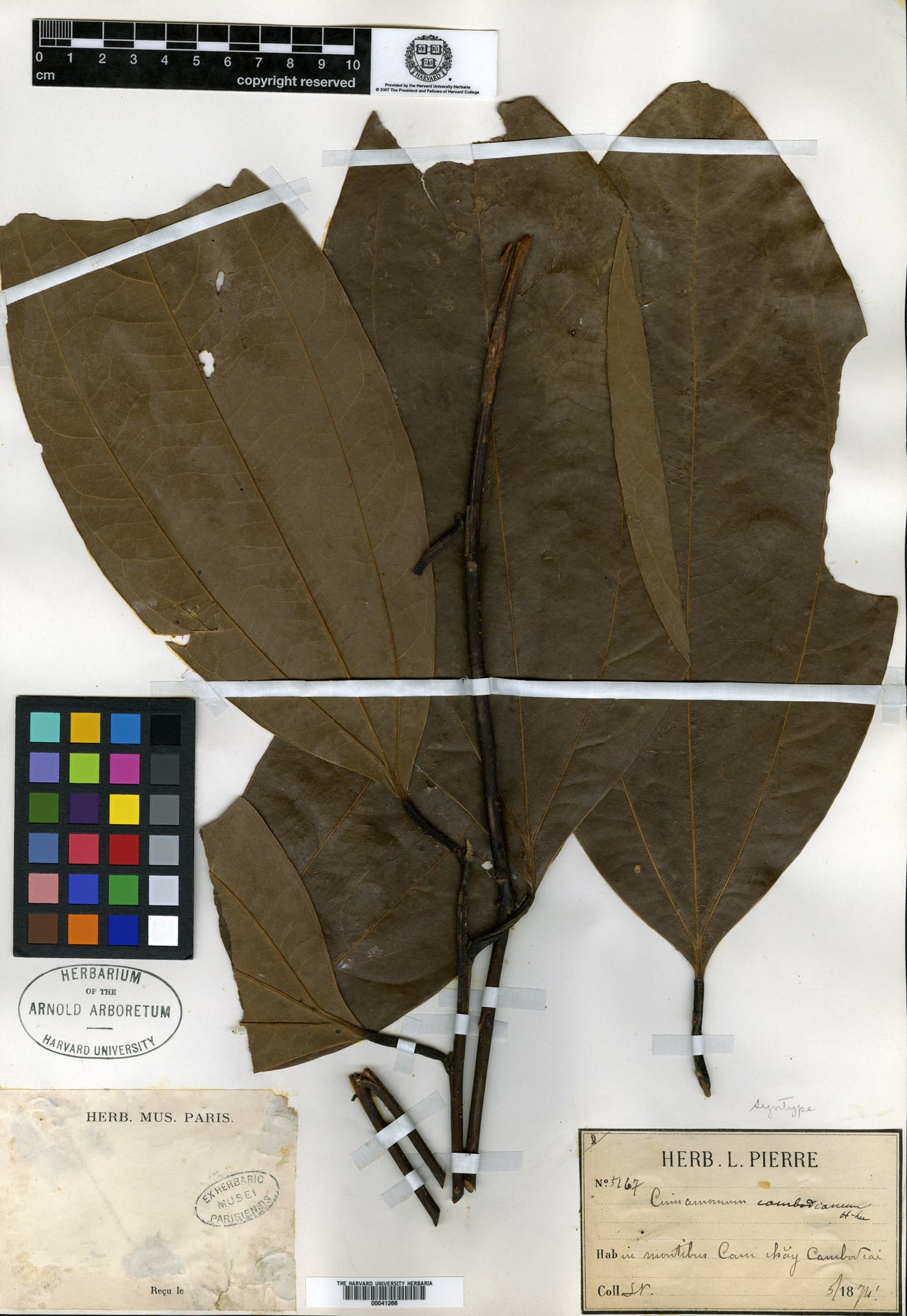
Lindera benzoin - (L.)Blume.
(L.)Blume.
Spice Bush, Northern spicebush, Bush Northern Spice
gbif· cc-by-nc
Peter M Martin
gbif· cc-by-nc
barbarac99
gbif· cc-by-nc
barbarac99
Description
Lindera benzoin is a deciduous Shrub growing to 3 m (9ft) by 3 m (9ft) at a slow rate. See above for USDA hardiness. It is hardy to UK zone 5. It is in flower in April, and the seeds ripen from August to September. The species is dioecious (individual flowers are either male or female, but only one sex is to be found on any one plant so both male and female plants must be grown if seed is required). . The plant is not self-fertile. Suitable for: light (sandy), medium (loamy) and heavy (clay) soils. Suitable pH: mildly acid and neutral soils and can grow in very acid soils. It can grow in semi-shade (light woodland). It prefers moist soil.
Edible Uses
Tea. The young leaves, twigs and fruit contain an aromatic essential oil and make a very fragrant tea[55, 62, 95, 102, 149, 183]. The twigs are best gathered when in flower as the nectar adds considerably to the flavour. The dried and powdered fruit is used as a substitute for the spice 'allspice'[2, 46, 55, 62, 95, 183]. The fruit is about the size of an olive. The leaves can also be used as a spice substitute. The new bark is pleasant to chew.
Medicinal Uses
Aromatic Astringent Diaphoretic Disinfectant Dysentery Febrifuge Stimulant Tonic. Spice bush has a wide range of uses as a household remedy, especially in the treatment of colds, dysentery and intestinal parasites. It warrants scientific investigation. The bark is aromatic, astringent, diaphoretic, febrifuge, stimulant and tonic. It is pleasant to chew. It is used in the treatment of coughs and colds. The bark can be harvested at any time of the year and is used fresh or dried. The fruits are carminative. The oil from the fruits has been used in the treatment of bruises and rheumatism. A tea made from the twigs was a household remedy for colds, fevers, worms and colic. A steam bath of the twigs is used to cause perspiration in order to ease aches and pains in the body. The young shoots are harvested during the spring and can be used fresh or dried. The bark is diaphoretic and vermifuge. It was once widely used as a treatment for typhoid fevers and other forms of fevers.
Distribution
Eastern N. America - Maine and Ontario to Kentucky, Missouri and Kansas.
Where It Grows
NORTHERN AMERICA: Canada, Ontario (south), United States, Connecticut, Indiana, Maine (south), Massachusetts, Michigan (south), New Hampshire, New Jersey, New York, Ohio, Pennsylvania, Rhode Island, Vermont, West Virginia, Illinois, Kansas (southeast), Missouri (south), Oklahoma, Alabama, Arkansas, Delaware, Florida , Georgia, Kentucky, Louisiana, Maryland, Mississippi, North Carolina, South Carolina, Tennessee, Virginia, Texas,
Cultivation
Requires a lime-free rather moist soil with a pH in the range 4.5 - 6. Prefers partial shade or dappled sunlight in a fertile moisture-retentive soil enriched with leafmould. Succeeds in full sun or semi-shade. Plants are hardy to about -25°c. The leaves, bark and berries are very aromatic. Plants can be pruned right back to the base if required, though any drastic pruning is best spread over several seasons. Plants in this genus are notably resistant to honey fungus. The fruit has a high fat content and is much eaten by migratory birds to supply their high energy demands when migrating. Dioecious, male and female plants must be grown if seed is required.
Propagation
Seed - best sown as soon as it is ripe in the autumn in a greenhouse. The seed has a short viability and should not be allowed to dry out. Prick out the seedlings into individual pots when they are large enough to handle and grow them on in the greenhouse for their first winter. Plant them out into their permanent positions in early summer. Cuttings of half-ripe wood, July in a frame. Cuttings of mature side-shoots, 10 - 12cm with a heel, September/October in a cold frame. They may root by spring. Fair to good percentage. Layering.
Other Uses
Disinfectant Repellent. The leaves contain small quantities of camphor and can be used as an insect repellent and disinfectant. An oil with a lavender-like fragrance is obtained from the leaves. The fruit, upon distillation, yield a spice-scented oil resembling camphor. An oil smelling of wintergreen is obtained from the twigs and bark.