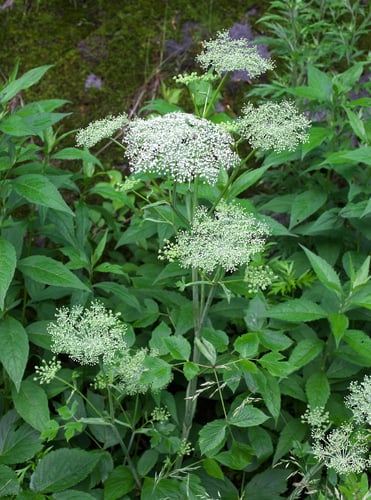
Ligusticum canbyi
J.M. Coult. & Rose
Osha
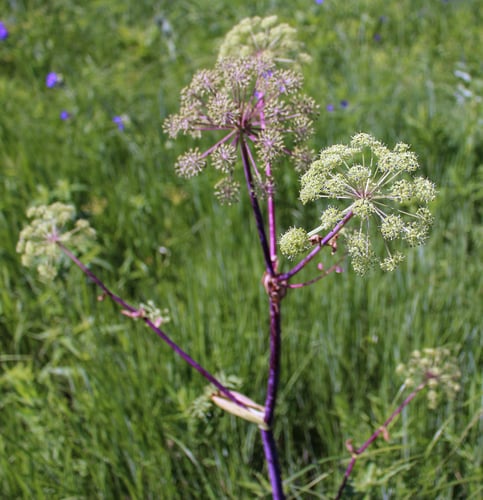
iNaturalist· cc-by-nc
(c) Adrian Leslie, some rights reserved (CC BY-NC), uploaded by Adrian Leslie
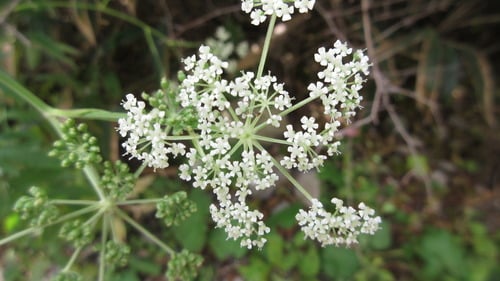
iNaturalist· cc-by-nc
(c) NatureAppreciation, some rights reserved (CC BY-NC), uploaded by NatureAppreciation
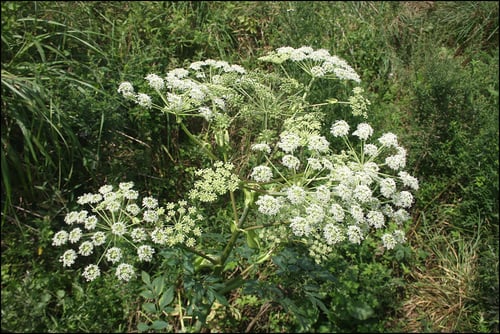
iNaturalist· cc-by-nc
(c) Nell Jedrzejczyk, some rights reserved (CC BY-NC), uploaded by Nell Jedrzejczyk
Description
Ligusticum canbyi is a PERENNIAL growing to 1.2 m (4ft) by 1 m (3ft 3in) at a medium rate. See above for USDA hardiness. It is hardy to UK zone 4. It is noted for attracting wildlife. Suitable for: light (sandy), medium (loamy) and heavy (clay) soils. Suitable pH: mildly acid, neutral and basic (mildly alkaline) soils. It can grow in full shade (deep woodland) or semi-shade (light woodland). It prefers moist soil.
Edible Uses
Leaves shoots and stems. A pleasant taste. The young leaves, shoots and stems can all be eaten. They have a strong celery flavour. The root is chewed rathen than eaten. Can be used as a culinary herb.
Distribution
Western North America.
Where It Grows
NORTHERN AMERICA: Canada, British Columbia (south), United States, Idaho, Montana, Oregon (northeast), Washington,
Cultivation
A stout perennial herb from a thick taproot. The taproot is thick and fibrous. Prefers full shade and semi shade. Moist or wet soil. It grows in moist and wet stream banks. It grows at moderate and high elevations in Canada. Elevation (metres) 560 to 2300.
Propagation
Seed, Division.
Other Uses
Invertebrates shelter: beneficial for insects and other arthropods. Nectary: provides nectar or pollen for beneficial insects.
Synonyms
Also Known As
Canby's licorice-root, Canby's Wild Lovage