Lepidium sativum
L.
Cress, Gardencress pepperweed
iNaturalist· cc-by-nc-sa
(c) יאיר אור, some rights reserved (CC BY-NC-SA), uploaded by יאיר אור
iNaturalist· cc-by-nc
(c) Chiara Catalano, some rights reserved (CC BY-NC), uploaded by Chiara Catalano
iNaturalist· cc-by-nc
(c) rupicapra, some rights reserved (CC BY-NC)
Description
Lepidium sativum is a ANNUAL growing to 0.5 m (1ft 8in). See above for USDA hardiness. It is hardy to UK zone 7. It is in flower from June to July, and the seeds ripen from July to August. The species is hermaphrodite (has both male and female organs) and is pollinated by Insects. Suitable for: light (sandy), medium (loamy) and heavy (clay) soils. Suitable pH: mildly acid, neutral and basic (mildly alkaline) soils. It can grow in semi-shade (light woodland) or no shade. It prefers moist soil.
Edible Uses
Oil. Young leaves - raw or cooked[2, 5, 27, 34, 52, 183]. A hot cress-like flavour, it makes an excellent addition (in small quantities) to the salad bowl. An analysis is available. Root is used as a condiment. A hot pungent flavour, but the root is rather small and woody. The fresh or dried seedpods can be used as a pungent seasoning. The seed can be sprouted in relatively low light until the shoots are a few centimetres long and then be used in salads. They take about 7 days to be ready and have a pleasantly hot flavour. An edible oil is obtained from the seed.
Medicinal Uses
Antiasthmatic Antiscorbutic Aperient Diuretic Galactogogue Poultice Stimulant Vitamin CThe leaves are antiscorbutic, diuretic and stimulant. The plant is administered in cases of asthma, cough with expectoration and bleeding piles. The root is used in the treatment of secondary syphilis and tenesmus. The seeds are galactogogue. They have been boiled with milk and used to procure an abortion, they have been applied as a poultice to pains and hurts and have also been used as an aperient. Fresh foliage has 37% Ascorbic acid - vitamin C
Distribution
Of uncertain origin, possibly Iran. Naturalized in Britain.
Where It Grows
TEMPERATE ASIA: United Arab Emirates, Kuwait, Oman, Saudi Arabia, Yemen, Afghanistan, Iran, Iraq, Israel, Jordan, Lebanon, Syria, Turkey TROPICAL ASIA: Pakistan AFRICA: Egypt, Ethiopia
Cultivation
An easily grown plant, it succeeds in most soils. For the best results, however, it requires a moist soil and also some shade during the summer to prevent it running straight to seed. Garden cress is often cultivated as a sprouted seed, there are some named varieties. It is the cress of 'mustard and cress'. A very easy and fast crop, it can be ready within 7 days from sowing the seed. It can also be grown outdoors as full grown plants and can provide fresh leaves for the salad bowl all year round from successional sowings. Plants can be overwintered outdoors to provide edible leaves all year round, though they will require some protection if temperatures fall below -5°c. This plant is cultivated in Ethiopia for the edible oil from its seed.
Propagation
Seed - if you want a succession of young leaves then it is possible to sow the seed in situ every 3 weeks in succession from early spring to early autumn. Germination is very rapid, usually taking place in less than a week. When sowing seed for use in mustard and cress, the seed is soaked for about 12 hours in warm water and then placed in a humid position. Traditionally, it is sown in a tray on a thin layer of soil, or on some moist blotting paper, and the tray is placed in a warm dark place for a few days to encourage rapid and rather etiolated growth. The seedlings can then be placed in a lighter position for a couple more days to turn green before being eaten. The cress seed should be sown about 3 - 4 days before the mustard for them both to be ready at the same time.
Other Uses
Oil Oil. The seed yields up to 58% of an edible oil that can also be used for lighting.
More from Brassicaceae
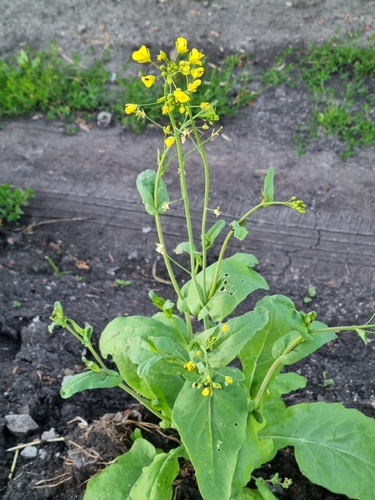
Brassica rapa var. pekinensis x Brassica rapa var. perviridis
Senposai, Oriental greens, Japanese greens
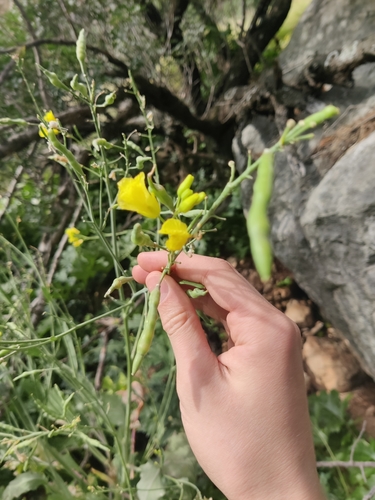
Brassica rupestris
Wild leafy kale
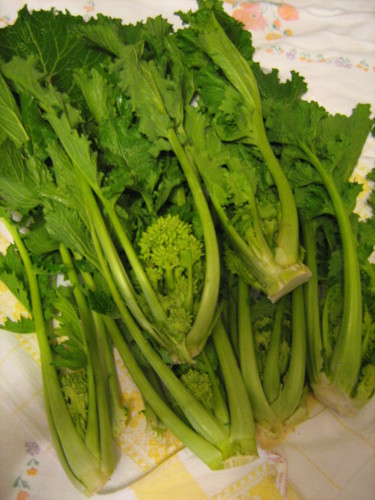
Brassica ruvo
Broccoli raab, Italian turnip broccoli, Rapini, Ruvo kale
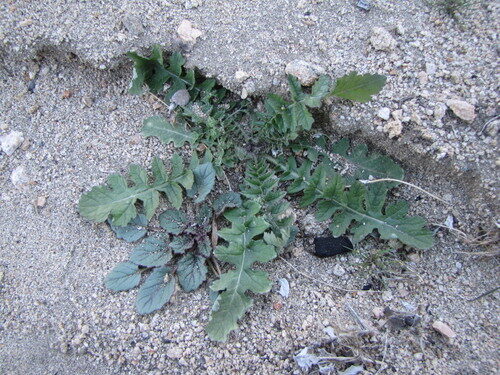
Brassica tournefortii
Wild Turnip, Mediterranean Turnip, Asian mustard
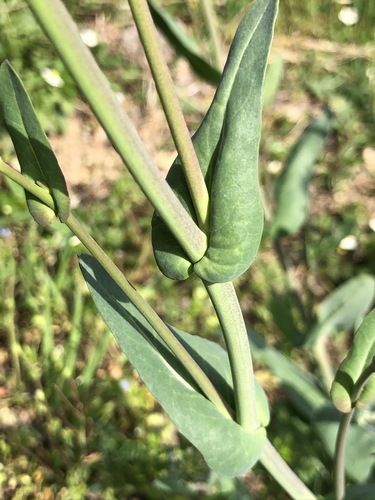
Brassica x sp.
Sensopai, Colbaga, etc
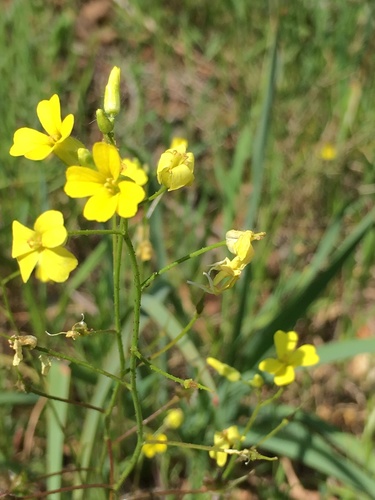
Bunias erucago
Corn rocket