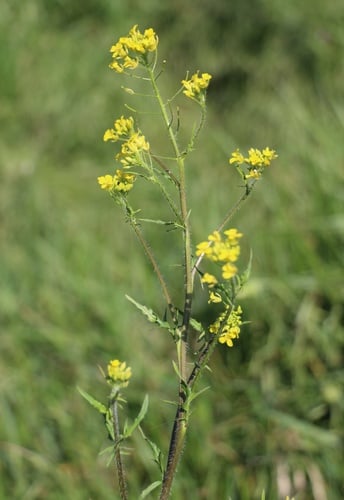
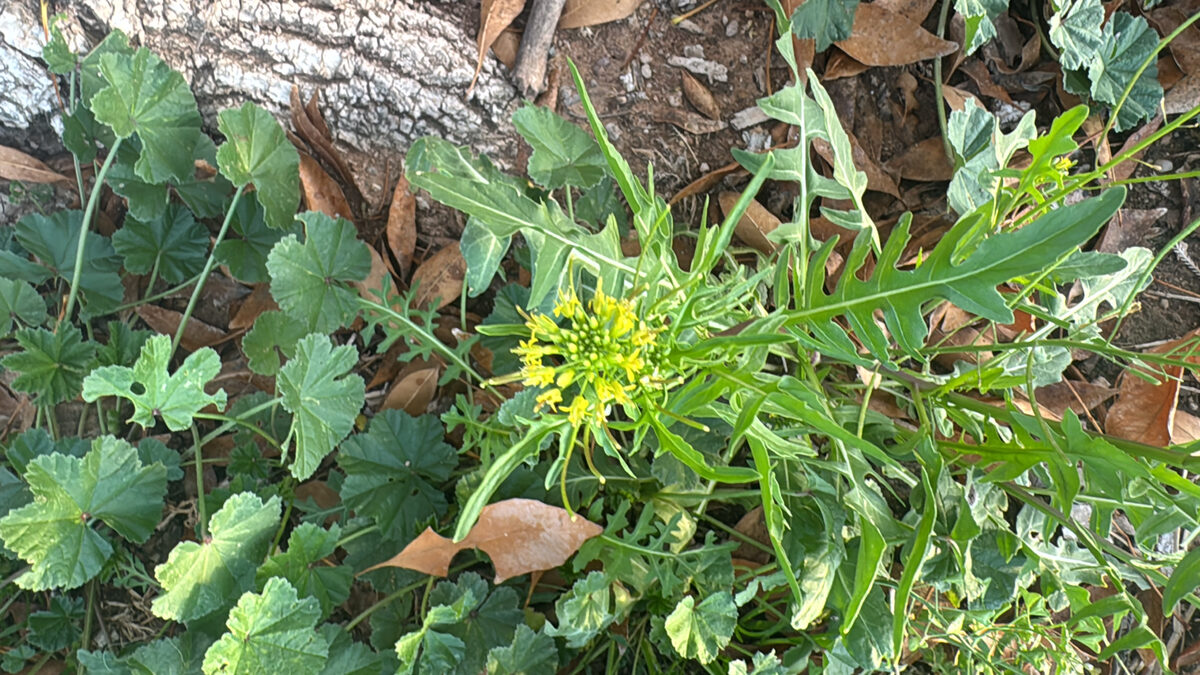
Cardamine rotundifolia
Michx.
American water cress, Round-leaved cuckoo flowers, Mountain water cress
iNaturalist· cc-by-nc
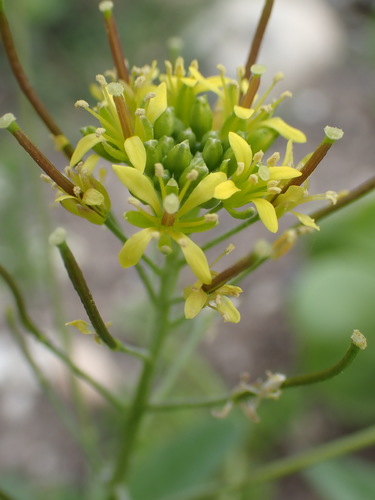
(c) ThePrairiePreacher, some rights reserved (CC BY-NC), uploaded by ThePrairiePreacher
iNaturalist· cc-by-nc
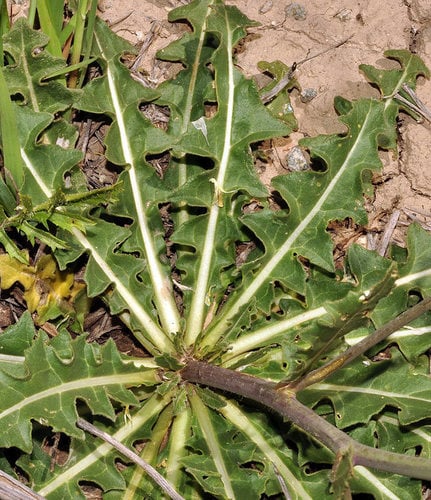
(c) Erik Danielsen, some rights reserved (CC BY-NC)
Summary
Source: WikipediaCardamine rotundifolia, also known as American bittercress or mountain bittercress, is a perennial herbaceous brassica native to eastern North America. It was first described by André Michaux in his publication Flora Boreali-Americana (1803).
Description
A cabbage family herb. It forms mats. It has leafy runners. The flowers are white.
This description is brief — help expand it
Edible Uses
Leaves can be eaten raw or cooked and have a hot, watercress-like flavour.
Traditional Uses
The young and tender leaves are eaten raw in salads. The older leaves are cooked and eaten.
This uses section is brief — help expand it
Medicinal Uses
None known
Distribution
It is a temperate plant.
Where It Grows
North America, USA,
Cultivation
Succeeds in most soils so long as they are not dry. Grows wild in shallow water. Prefers a moist humus rich soil in shade or semi-shade. A mat-forming stoloniferous species.
Propagation
Sow seed in spring in a cold frame; germination typically occurs within 1–3 weeks at 15°C. Once large enough to handle, prick seedlings into individual pots and grow on in light shade in a greenhouse or cold frame for the first two years, planting out when dormant in late summer. Divide in early spring or after the plant dies back in summer. Larger clumps can go directly into permanent positions, while smaller ones should be potted up and grown on in a cold frame until well rooted before planting out in spring.
Other Uses
None known
Notes
There are about 160 Cardamine species. They are mostly in damp places in temperate regions.
Also Known As
Mountain watercress
References (6)
- Beckstrom-Sternberg, Stephen M., and James A. Duke. "The Foodplant Database." http://probe.nalusda.gov:8300/cgi-bin/browse/foodplantdb.(ACEDB version 4.0 - data version July 1994)
- Bircher, A. G. & Bircher, W. H., 2000, Encyclopedia of Fruit Trees and Edible Flowering Plants in Egypt and the Subtropics. AUC Press. p 82
- Facciola, S., 1998, Cornucopia 2: a Source Book of Edible Plants. Kampong Publications, p 57
- Hedrick, U.P., 1919, (Ed.), Sturtevant's edible plants of the world. p 161
- Plants for a Future database, The Field, Penpol, Lostwithiel, Cornwall, PL22 0NG, UK. http://www.scs.leeds.ac.uk/pfaf/
Show all 6 references Hide references
- Tozer, F., 2007, The Uses of Wild Plants. Green Man Publishing. p 55