Juglans neotropica
Diels
Andean Walnut
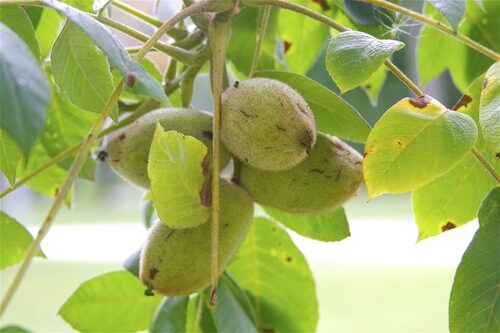
iNaturalist· cc-by-sa
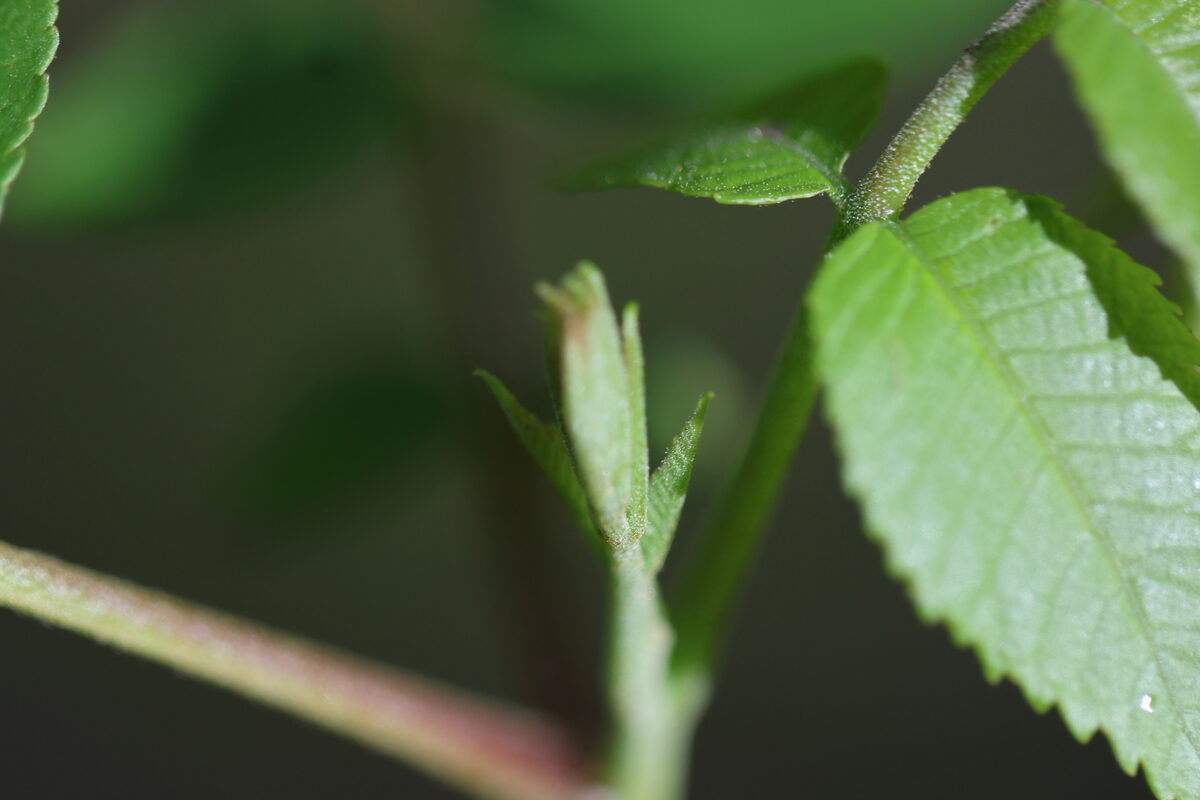
(c) Thibaud Aronson, some rights reserved (CC BY-SA), uploaded by Thibaud Aronson
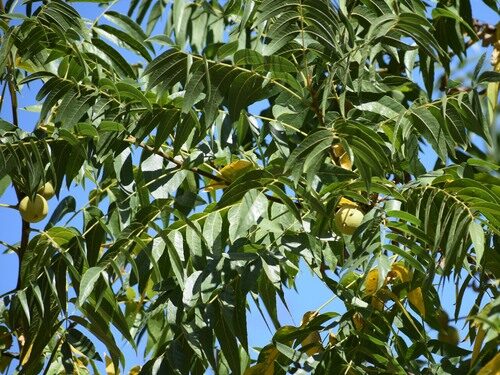
iNaturalist· cc-by-nc
(c) Robert Ward, some rights reserved (CC BY-NC), uploaded by Robert Ward
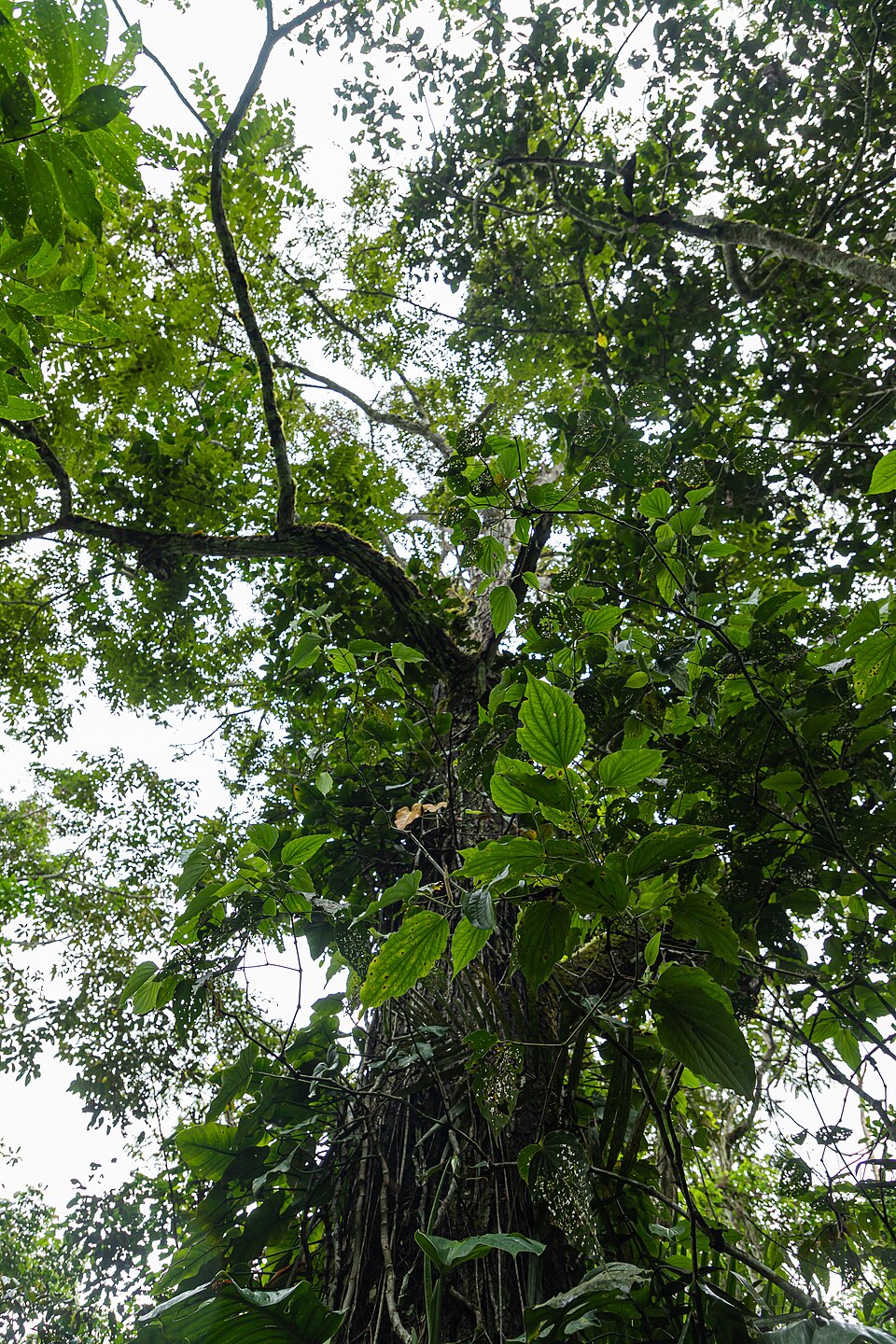
iNaturalist· cc-by-nc
(c) Robert Ward, some rights reserved (CC BY-NC), uploaded by Robert Ward
Description
Juglans neotropica is a deciduous Tree growing to 25 m (82ft) by 18 m (59ft) at a slow rate. See above for USDA hardiness. It is hardy to UK zone 10. The plant is self-fertile. It is noted for attracting wildlife. Suitable for: light (sandy), medium (loamy) and heavy (clay) soils and prefers well-drained soil. Suitable pH: mildly acid, neutral and basic (mildly alkaline) soils and can grow in very alkaline soils. It cannot grow in the shade. It prefers moist soil. The plant is not wind tolerant.
Edible Uses
Oil. Seed - raw or cooked. Eaten fresh, or used in various preparations. The seed is larger than the common walnut (Juglans regia) and has a rich and pleasant flavour, though it is contained in a very thick, bony shell. The seed is rich in oil.
Medicinal Uses
Tonic. The boiled leaves are used as a tonic.
Distribution
Northern and western S. America - Venezuela, Ecuador, Colombia, Peru.
Where It Grows
SOUTHERN AMERICA: Venezuela (Lara, Táchira, Trujillo), Colombia (Antioquia, Boyacá, Caldas, Cundinamarca, Huila, Norte de Santander, Putumayo, Valle del Cauca), Ecuador (Azuay, Bolívar, Chimborazo, Galápagos, Loja, Napo, Pichincha, Tungurahua), Peru (Amazonas, Ayacucho, Cajamarca, Cusco, Huancavelica, Huánuco, Lambayeque, Lima, Pasco)
Cultivation
Grows in areas of low to medium rainfall with an annual precipitation of 1,000 to 3,000 mm that is distributed throughout the year. Prefers an average temperature that ranges between 14 - 22°c. Requires a deep well-drained loam and a sunny position sheltered from strong winds. Prefers a slightly alkaline soil. Prefers soils of loose texture, muddy, loose-sandy (loose soils), with a neutral to slightly acid pH. It does not tolerate low pH or calcareous soils and needs deep and fertile soils. It has low growth in poor, shallow, and flooded soils. Seed nuts collected from Ecuador have been planted in New Zealand and have shown very rapid growth, reaching up to 1.5 metres growth per year during the first few years. After 10 years, the trees were more than 10 metres high and bearing their third annual crop of nuts. No cross-pollination is required for nut production and hybridization appears to be possible. Plants are very susceptible to fire damage. Trees have a dense canopy which tends to reduce plant growth below them. We have no specific information for this species, but the roots of several members of this genus produce substances that are toxic to many plant species, especially apples (Malus species), members of the Ericaceae, Potentilla spp and the white pines (certain Pinus spp.). The leaves of many species also secrete substances that have an inhibitory affect on plants growing underneath them. All in all this is not a very good companion plant.
Propagation
The seed is best sown as soon as it is ripe in individual deep pots in a cold frame. You need to protect it from mice, birds, squirrels etc. The seed usually germinates in late winter or the spring. Plant out the seedlings into their permanent positions in early summer and give some protection from the cold for their first winter or two. The seed can also be stored in cool moist conditions (such s the salad compartment of a fridge) over the winter and sown in early spring but it may then require a period of cold stratification before it will germinate. Germination rates are usually less than 50%.
Other Uses
Charcoal Containers Dye Fuel Furniture Oil Rootstock Tannin Wood. Other Uses The bark is a good source of tannins. Used locally as a rootstock for J. regia. A yellow dye is obtained from the unripened fruits. A very fine black dye is obtained from the ripe fruits. Dyes are obtained from the bark and leaves. A brown is obtained from the leaves. The heartwood is dark, purplish-brown, well demarcated from the light brown sapwood. The wood is rather heavy, firm, durable, compact and strong. Straight or roey-grained; medium or coarse-textured; it is easy to work; takes a smooth and fairly lustrous finish and holds its place well. A beautiful wood, it is used in decorative veneer, fine cabinetmaking, interior carpentry, turned utensils, guitars and decoration. It is also used in packing boxes and construction and for tri-plex. The wood makes a good fuel and is used to make charcoal.
Synonyms
Also Known As
Andean Walnut
More from Juglandaceae
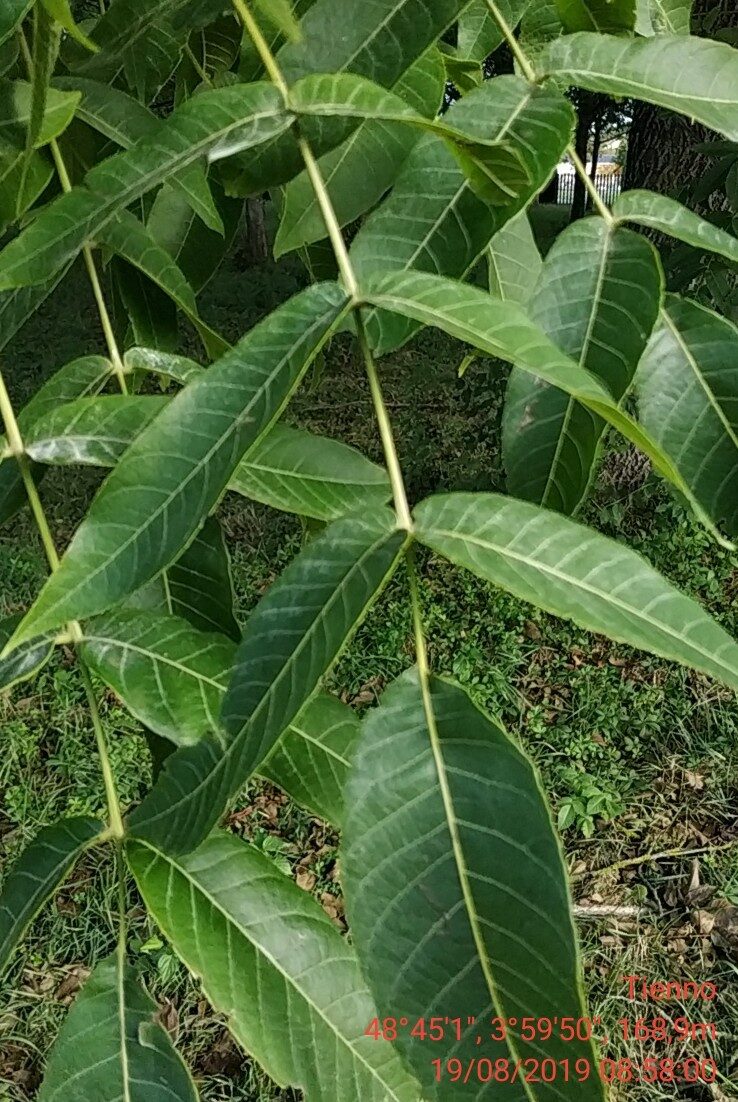
Juglans cinerea
Butternut - White Walnut, Butternut
Juglans hindsii
Hind's Black Walnut, Northern California walnut, Paradox hybrid walnut
Juglans honorei
Ecuador walnut
Juglans intermedia
Hind's Black Walnut, Northern California walnut, Paradox hybrid walnuH
Juglans major - (Torr.)Heller.
Arizona Walnut
Juglans mandschurica
Manchurian Walnut