Rubus fraxinifoliolus
Hayata
gbif· cc-by-nc-sa
MBG
gbif· cc0
Botanical Research Institute of Texas
gbif· cc-by-nc
University of Georgia Herbarium (GA-)
Description
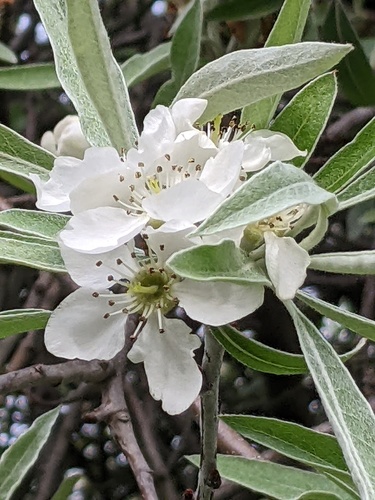
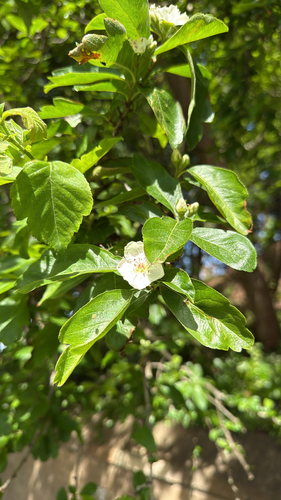
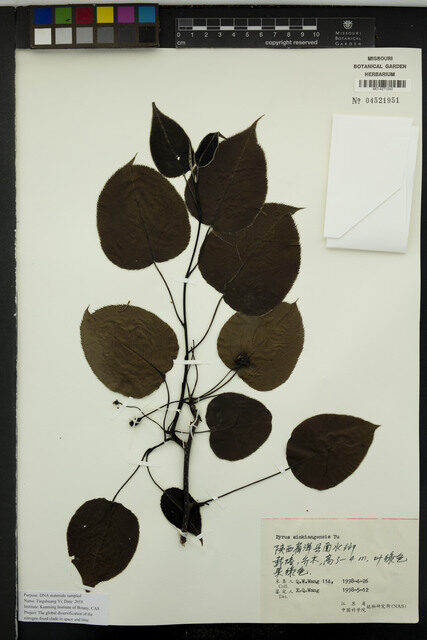
A shrub. It lies along the ground. The stems are flexible. It has a few prickles that are 3-4 mm long. They are curved. The leaves are 20 cm long with leaflets including a leaflet at the end. There are 3-5 leaflets. They are papery and narrowly oval and 3-9 cm long and 1.5-3 cm wide. The end leaflet is larger. The flowers are usually single. They are at the ends of branches or in the axils of leaves. The petals are 1-1.8 cm long and white. The fruit are 1.5 cm across.
Edible Uses
The fruit is eaten fresh.
Known Hazards
The stems have curved prickles that may cause injury during handling.
Distribution
It grows in the eastern part of Taiwan.
Where It Grows
Asia, Taiwan*,
Dangerous Lookalikes
This plant can be confused with the following toxic species. Always verify identification carefully before consuming any wild plant.
Red Baneberry
Actaea rubra
Walter Siegmund (talk)
Rubus fraxinifoliolus
Rubus fraxinifoliolus
MBG
Red Baneberry: Short herbaceous plant (no thorns), berries on thick red stems, each berry has a single seed, compound sharply-toothed leaves.
Rubus fraxinifoliolus: Thorny woody canes (brambles), aggregate berry made of many drupelets, berries pull easily from receptacle.
Synonyms
References (2)
- Flora of Taiwan Vol. 3:127
- Kuo, W. H. J., (Ed.) Taiwan's Ethnobotanical Database (1900-2000), http://tk.agron.ntu.edu.tw/ethnobot/DB1.htm