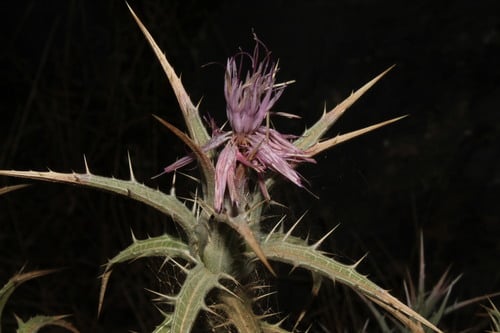
Cirsium scariosum
Nutt.
Meadow Thistle
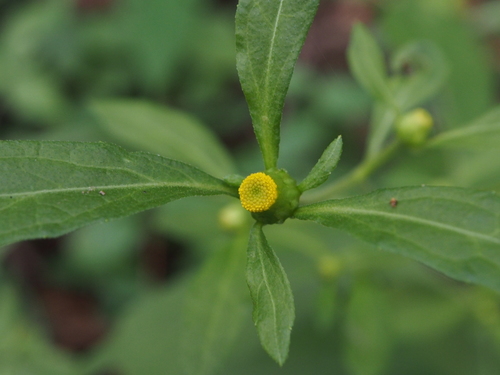
iNaturalist· cc-by-sa
(c) Matt Lavin, some rights reserved (CC BY-SA)
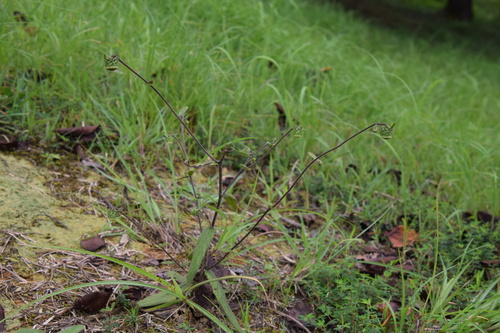
iNaturalist· cc-by-nc
(c) naturelover2, some rights reserved (CC BY-NC), uploaded by naturelover2
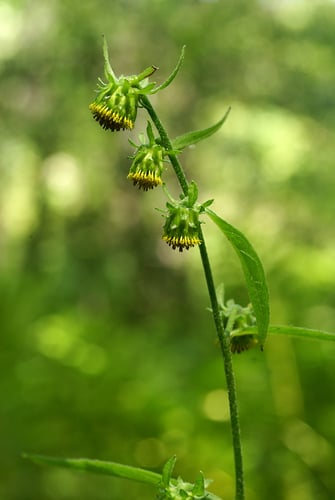
iNaturalist· cc-by-sa
(c) Matt Lavin, some rights reserved (CC BY-SA)
Description
Cirsium scariosum is an evergreen Biennial growing to 1 m (3ft 3in) by 0.3 m (1ft) at a fast rate. See above for USDA hardiness. It is hardy to UK zone 5. The flowers are pollinated by Bees, Insects. It is noted for attracting wildlife. Suitable for: light (sandy), medium (loamy) and heavy (clay) soils and prefers well-drained soil. Suitable pH: mildly acid, neutral and basic (mildly alkaline) soils. It can grow in semi-shade (light woodland) or no shade. It prefers moist soil.
Edible Uses
A high-quality wild vegetable, valued for its starchy roots and sweet, peeled stems. Edible Uses & Rating: The taproot and young stems are the most valuable edible parts. The root is thick, starchy, and mild when harvested before flowering. Stems are excellent vegetables once peeled. Leaves are technically edible but impractical due to spines and bitterness. As a wild food, meadow thistle ranks as a high-quality edible thistle, particularly for roots and stems. Taste, Processing & Kitchen Notes: The root has a flavor reminiscent of burdock with a mild potato-like sweetness and little bitterness. Texture is firm but tender when cooked, and overcooking is unlikely. The peeled stems are crisp, juicy, and mildly sweet, comparable to celery with a richer vegetable character. Strings are present but soft enough to chew. Cooking softens stems further and concentrates sweetness. Leaves are rarely worth processing due to the labor required to remove spines and bitterness. Seasonality (Phenology): Roots are best harvested from autumn through early spring, before flowering stems emerge. Stems are harvested in spring when elongating but still tender. Flowers appear in late spring to summer, after which root quality declines as stored carbohydrates are redirected into seed production. Safety & Cautions (Food Use): Spines are sharp and require gloves during harvest. Harvest roots only from correctly identified plants and avoid protected or sensitive habitats. Harvest & Processing Workflow: Harvest first-year rosettes or second-year plants before flowering for roots. Dig deeply to extract the full taproot. Peel and slice for cooking. For stems, harvest young flowering shoots, remove outer spiny layers, and consume raw or cooked. Cultivar/Selection Notes: No cultivars exist. Look-Alikes & Confusion Risks: Meadow thistle resembles several other Cirsium species. Confusion is generally safe, as most native thistles share similar edible qualities. Avoid confusing with non-Cirsium thistle-like plants such as knapweeds. Traditional / Indigenous Use Summary: Roots and stems were used by several Western Indigenous groups, particularly in montane regions, as dependable spring vegetables.
Known Hazards
Spines are sharp and require gloves during harvest. Harvest roots only from correctly identified plants and avoid protected or sensitive habitats.
Distribution
Native to western North America and occurs throughout the Rocky Mountains, Great Basin, and adjacent regions.
Where It Grows
US. USA. Alberta, British Columbia, California, Colorado, Idaho, Montana, Nevada, Oregon, Québec, Utah, Washington, Wyoming.
Cultivation
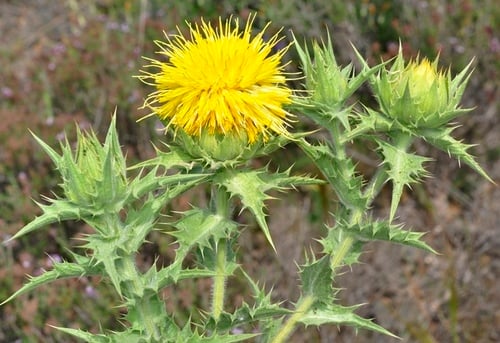
Meadow thistle is one of the best edible thistles of the western mountains, offering reliable roots and excellent stems when harvested at the right time. Growing Conditions: Meadow thistle prefers moist, fertile soils in open meadows, montane valleys, and riparian margins. It tolerates full sun to partial shade and benefits from seasonal moisture. Habitat & Range: This species is native to western North America and occurs throughout the Rocky Mountains, Great Basin, and adjacent regions. It is especially common in mountain meadows, seeps, and seasonally wet grasslands. Size & Landscape Performance: Plants typically grow 60–100 cm tall in favorable conditions, though smaller individuals occur in drier sites. It forms scattered individuals rather than dense colonies. Cultivation (Horticulture): Meadow thistle is not cultivated but could theoretically be grown as a root vegetable. Its spines and biennial life cycle limit horticultural appeal. Pests & Problems: The plant experiences minimal pest pressure. Grazing animals generally avoid it due to spines. Pollination: Pollinated primarily by bees and butterflies, attracted to the large, nectar-rich flower heads. Identification & Habit: Meadow thistle begins life as a basal rosette of large, spiny, deeply lobed leaves during its first growing season. In its second year, it sends up a stout flowering stem topped with one or several large flower heads. Leaves are green to gray-green, often with a slightly leathery texture, and armed with strong spines along the margins. The flowering heads are typically lavender to purple and supported by large, spiny involucral bracts. Compared to many other thistles, meadow thistle often appears more robust and less wiry, especially in fertile, moist soils.
Propagation
Propagation occurs by seed. Seeds are wind-dispersed via plumose pappi and readily germinate in open, moist soils.
Other Uses
The flowers are important nectar sources for bees, butterflies, and other pollinators. Seeds are eaten by birds. The deep taproot helps stabilize soils in wet meadows.
Synonyms
Also Known As
Meadow Thistle (Cirsium scariosum)