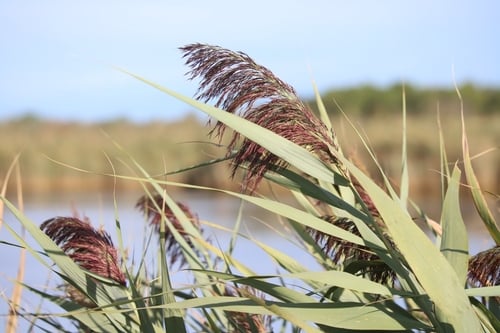
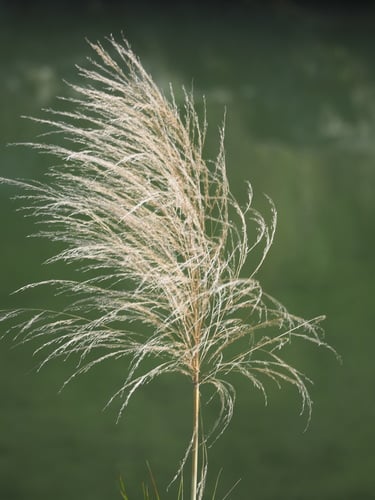
Eragrostis gangetica
(Roxb.) Steud.
Slimflower lovegrass
iNaturalist· cc-by-nc
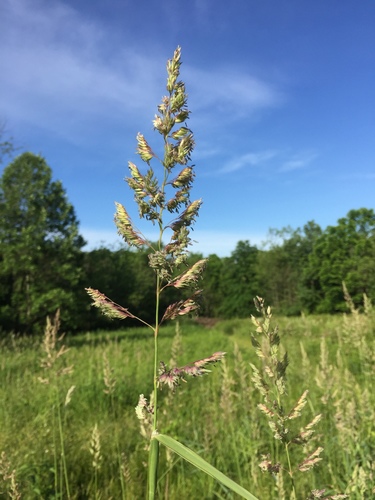
(c) David Rabehevitra, some rights reserved (CC BY-NC), uploaded by David Rabehevitra
iNaturalist· cc-by-nc
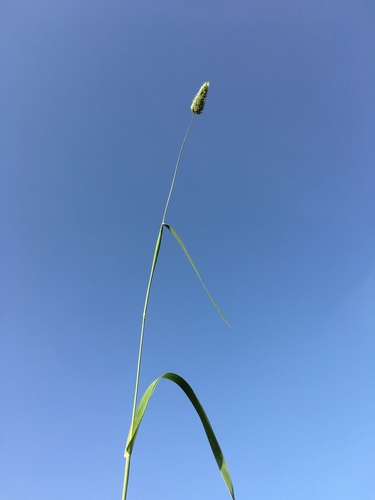
(c) Janet Wright, some rights reserved (CC BY-NC)
Description
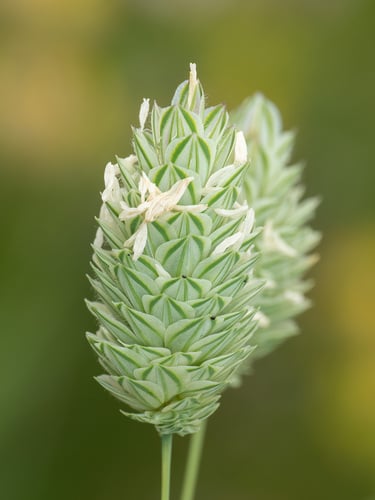
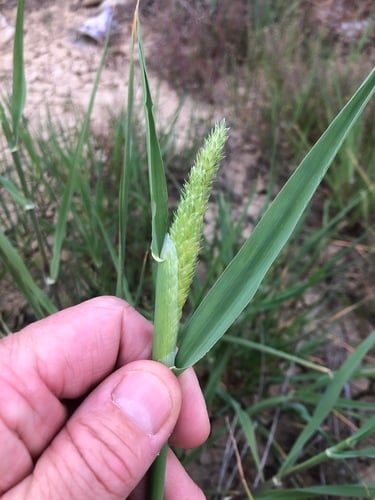
An annual grass. It grows 75 cm tall. The leaf blades are 3-15 cm long by 1-3 mm wide. The flower panicle is 6-20 cm long.
This description is brief — help expand it
Edible Uses
Seed - eaten as a cereal. The seed is small and fiddly to utilize - it is most commonly seen as a famine food, used when nothing better is available.
Medicinal Uses
A decoction of the plant is used as a treatment for sore feet.
Distribution
A tropical plant. It grows on flood plain grasslands and sand banks along rivers. It grows from 500-1700 m altitude.
Where It Grows
Africa, Angola, Asia, Botswana, Burkina Faso, Cameroon, Central Africa, Central African Republic, CAR, Congo, Côte d'Ivoire, East Africa, Ethiopia, Gabon, Gambia, Ghana, Guinea, Guinée, Guinea-Bissau, India, Ivory Coast, Madagascar, Malawi, Mali, Mauritania, Mozambique, Myanmar, Niger, Nigeria, Sahel, SE Asia, Senegal, Sierra Leone, Somalia, South America, Southern Africa, Sri Lanka, Tanzania, Togo, Uganda, USA, Venezuela, West Africa, Zambia, Zimbabwe,
Cultivation
The plant is often a weed of cultivation.
Propagation
Seed - sow in situ, only just covering the seed. Germination is usually very quick and free.
Notes
There are about 300 Eragrostis species.
Synonyms
Also Known As
Asara, Bunga-manene, Gyo-gya-myet, Jenkua, Kaluargi, Khari, Todha
References (7)
- Abbiw, D.K., 1990, Useful Plants of Ghana. West African uses of wild and cultivated plants. Intermediate Technology Publications and the Royal Botanic Gardens, Kew. p 26
- Ambasta, S.P. (Ed.), 2000, The Useful Plants of India. CSIR India. p 198
- Flora Zambesiaca. http://apps.kew.org/efloras
- Fowler, D. G., 2007, Zambian Plants: Their Vernacular Names and Uses. Kew. p 70
- Jardin, C., 1970, List of Foods Used In Africa, FAO Nutrition Information Document Series No 2.p 3
Show all 7 references Hide references
- National Research Council, 1996, Lost crops of Africa. Volume 1 grains, p 271
- Syn. pl. glumac. 1:266. 1854