Rorippa fluviatilis
(E. Mey. ex Sond.) R. A. Dyer
iNaturalist· cc-by-nc
(c) Troos van der Merwe, some rights reserved (CC BY-NC), uploaded by Troos van der Merwe
iNaturalist· cc-by-nc
(c) Tony Benn, some rights reserved (CC BY-NC), uploaded by Tony Benn
iNaturalist· cc-by-nc
(c) Tony Benn, some rights reserved (CC BY-NC), uploaded by Tony Benn
Description
An annual herb. It grows in or near water. The stems can be 40 cm tall. The stems are stout and often branched in the lower parts. The leaves at the base are in a ring. The upper leaves are 10 cm long by 2.5 cm wide. The flowering shoots are at the ends of the stems with a dense group of flowers. The fruiting pod can be 5 cm long and 2-5 mm wide.
Edible Uses
The leaves are used as a vegetable.
Traditional Uses
The leaves are used as a vegetable.
This uses section is brief — help expand it
Distribution
It is a subtropical plant. It can grow in arid places. It usually grows near water.
Where It Grows
Africa, Botswana, East Africa, Lesotho, South Africa, Southern Africa, Zimbabwe,
Synonyms
Also Known As
Papasane
References (8)
- Fox, F. W. & Young, M. E. N., 1982, Food from the Veld. Delta Books. p 138
- Grivetti, L. E., 1980, Agricultural development: present and potential role of edible wild plants. Part 2: Sub-Saharan Africa, Report to the Department of State Agency for International Development. p 65 (As Nasturtium fluviatilis)
- Martin, F.W. & Ruberte, R.M., 1979, Edible Leaves of the Tropics. Antillian College Press, Mayaguez, Puerto Rico. p 188 (As Nasturtium fluviatilis)
- Royal Botanic Gardens, Kew (1999). Survey of Economic Plants for Arid and Semi-Arid Lands (SEPASAL) database. Published on the Internet; http://www.rbgkew.org.uk/ceb/sepasal/internet [Accessed 15th April 2011]
- Ruiters-Welcome, A. K., 2019, Food plants of southern Africa. Ph.D. thesis. Univ. of Johannesburg p 40
Show all 8 references Hide references
- Terra, G.J.A., 1973, Tropical Vegetables. Communication 54e Royal Tropical Institute, Amsterdam, p 63 (As Nasturtium fluviatilis)
- Welcome, A. K. & Van Wyk, B.-E., 2019, An inventory and analysis of the food plants of southern Africa. South African Journal of Botany 122 (2019) 136–179
- World Checklist of Useful Plant Species 2020. Royal Botanic Gardens, Kew
More from Brassicaceae
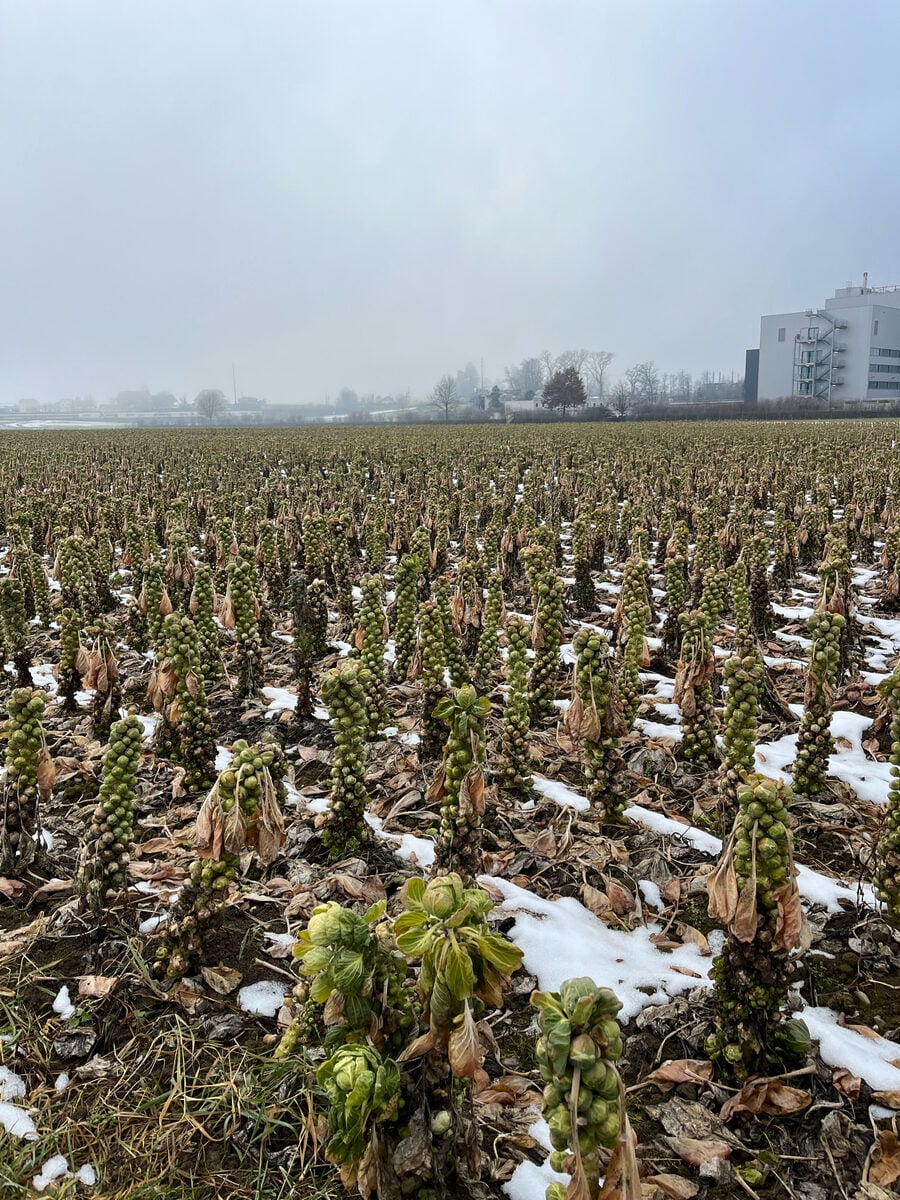
Brassica oleracea var. gemmifera
Brussels sprouts
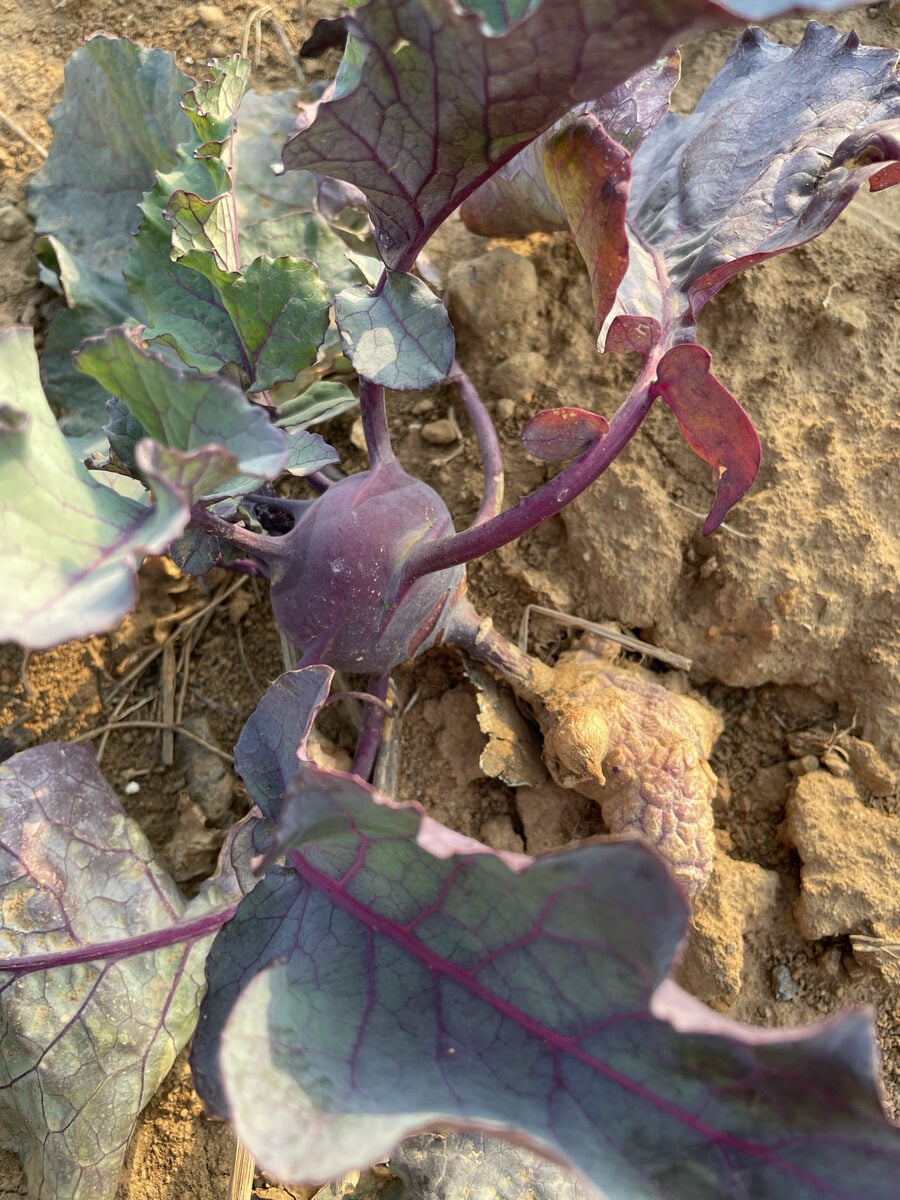
Brassica oleracea var. gongylodes
Kohl rabi
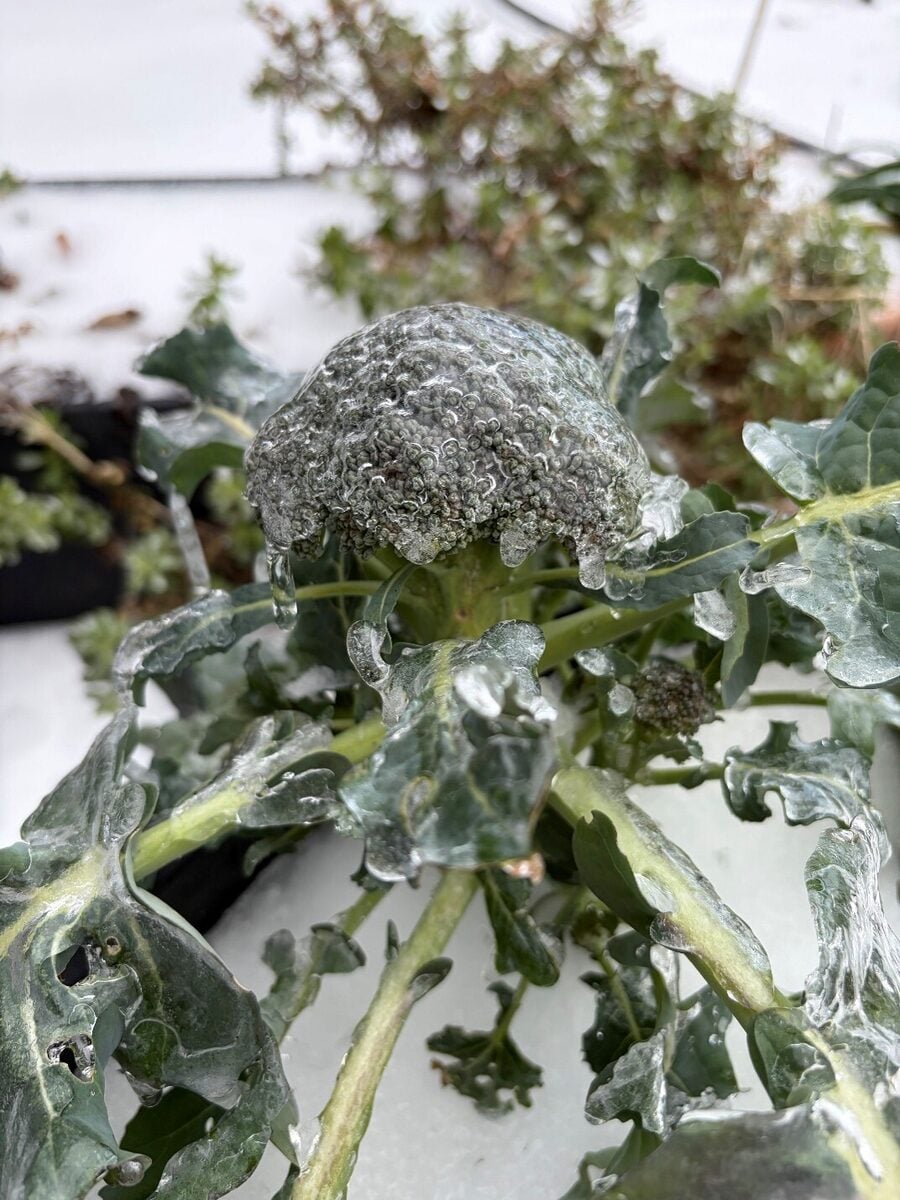
Brassica oleracea var. italica
Broccoli
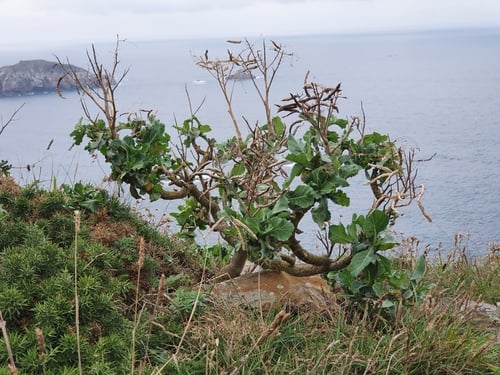
Brassica oleracea var. medullosa
Marrow stem kale
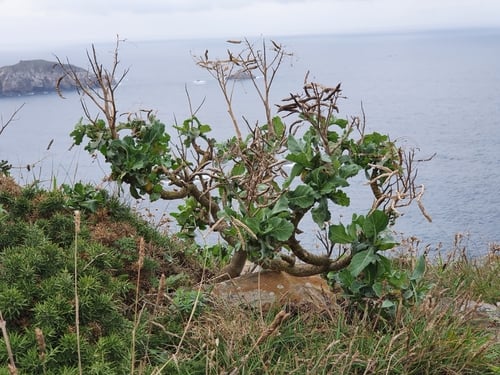
Brassica oleracea var. palmifolia
Jersey kale, Palm-tree kale, Lacinato kale
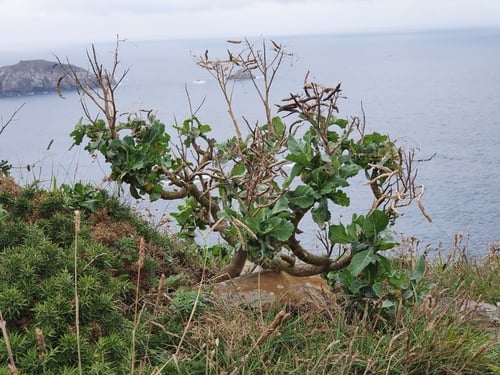
Brassica oleracea var. ramosa
Branching bush kale, Branching cabbage, Perennial kale, Thechri, Thousand-headed kale