Balsamorhiza incana
Nutt.
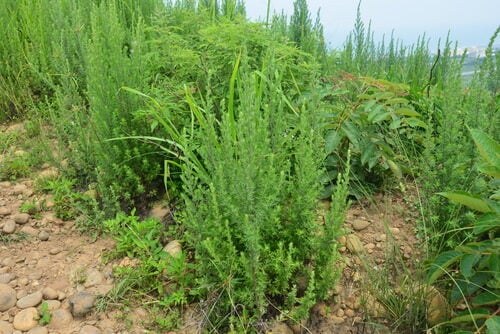
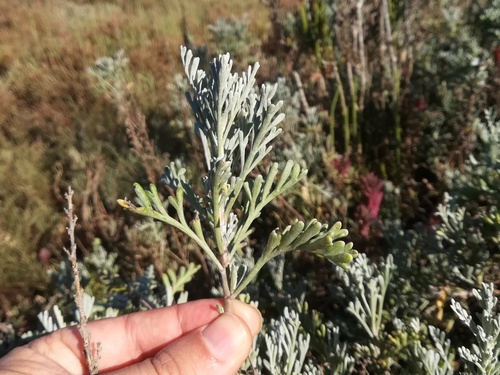
Hoary Balsamroot
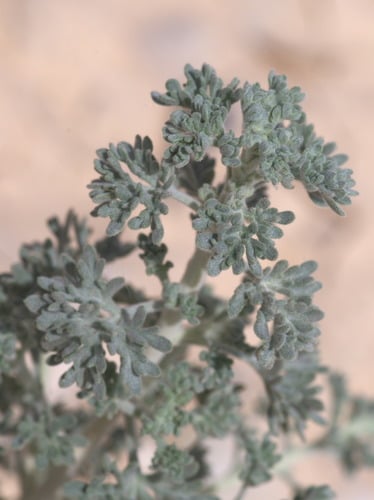
iNaturalist· cc-by-nc
(c) Samsara Duffey, some rights reserved (CC BY-NC), uploaded by Samsara Duffey
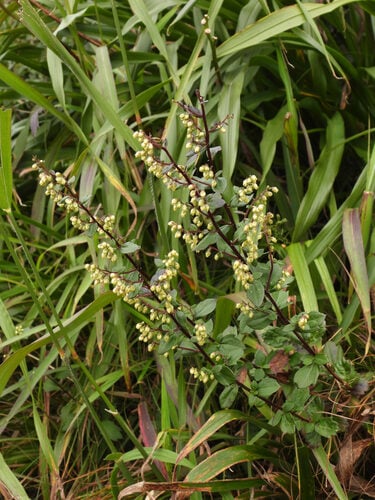
iNaturalist· cc-by-nc
(c) Samsara Duffey, some rights reserved (CC BY-NC), uploaded by Samsara Duffey
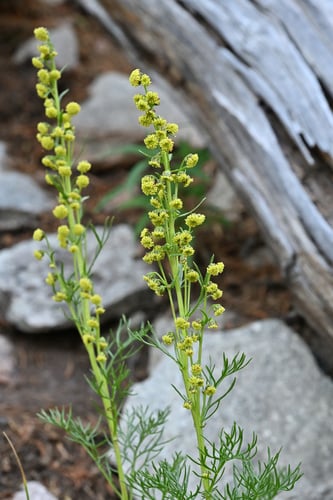
iNaturalist· cc-by-nc
(c) Gerry Carr, some rights reserved (CC BY-NC), uploaded by Gerry Carr
Description
Balsamorhiza incana is a PERENNIAL growing to 0.9 m (3ft). See above for USDA hardiness. It is hardy to UK zone 5. It is in flower in July. The species is hermaphrodite (has both male and female organs) and is pollinated by Insects. Suitable for: light (sandy) and medium (loamy) soils and prefers well-drained soil. Suitable pH: mildly acid, neutral and basic (mildly alkaline) soils. It cannot grow in the shade. It prefers dry or moist soil.
Edible Uses
Root - raw or cooked. The thick root can be eaten raw. Seed - raw or cooked. It can be ground into a powder and made into a bread.
Medicinal Uses
Analgesic StomachicA decoction of the leaves, roots and stems has been used in the treatment of stomach pains and colds and as a steam bath for treating headaches.
Distribution
North-western N. America
Where It Grows
NORTHERN AMERICA: United States (Idaho, Montana, Oregon, Washington, Wyoming)
Cultivation
Requires a deep fertile well-drained loam in full sun. Plants strongly resent winter wet. Hardy to at least -25°c. Plants are intolerant of root disturbance and should be planted into their permanent positions whilst still small.
Propagation
Seed - sow early spring in a greenhouse and only just cover the seed. Germination usually takes place within 2 - 6 days at 18°c. Either sow the seed in individual pots or pot up the seedlings as soon as they are large enough to handle and plant them out into their permanent positions in the summer. Division in spring. Very difficult since the plant strongly resents root disturbance. It is probably best to take quite small divisions, or basal cuttings, without disturbing the main clump. Pot these up into individual pots and keep them in light shade in the greenhouse until they are growing away well. Plant them out in the summer if they have grown sufficiently, otherwise over-winter them in the greenhouse and plant out in late spring.