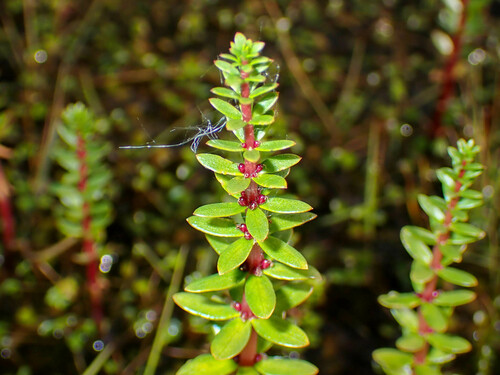
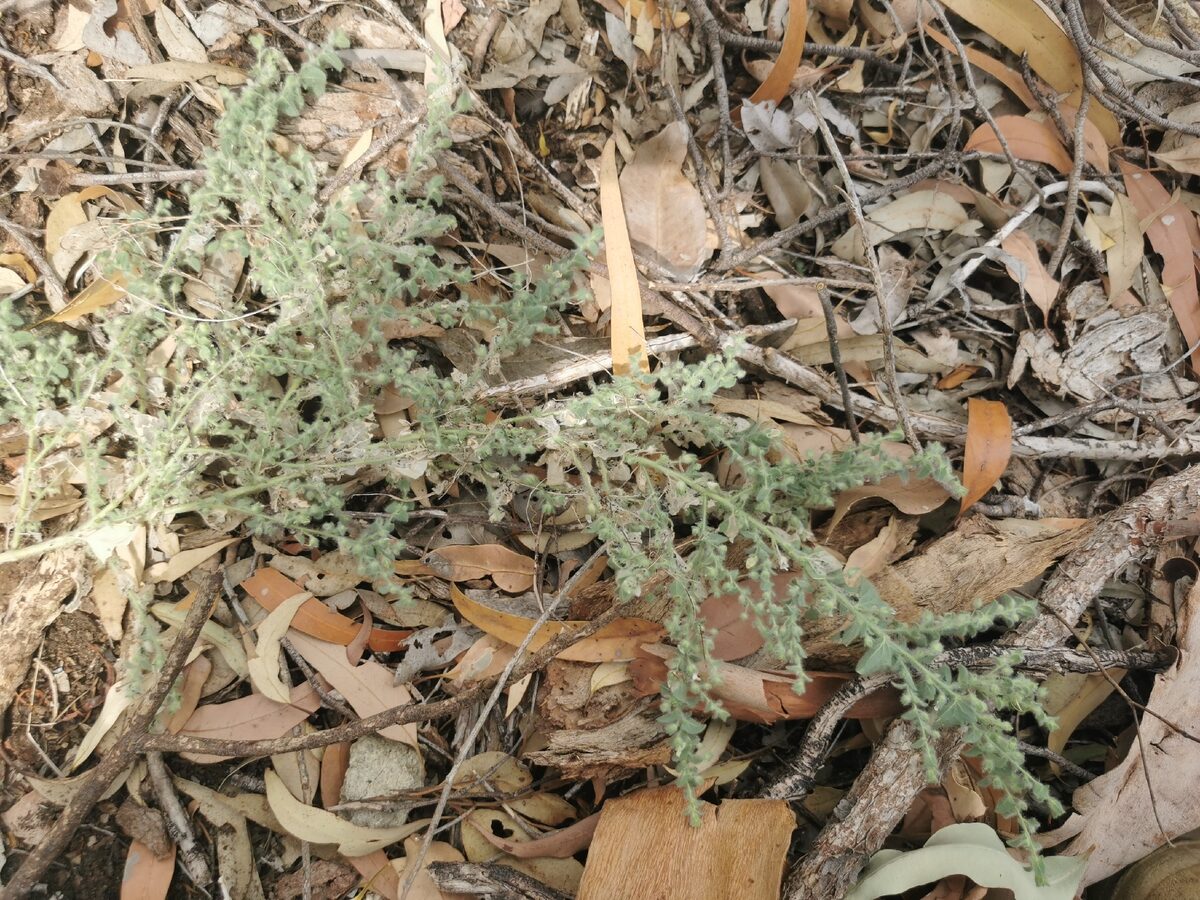
Bacopa monnieri - (L.) Wettst.
(L.) Wettst.
Herb of Grace, Brahmi, Smooth Water Hyssop
gbif· cc-by-nc
Maxxum Fioriti
gbif· cc-by-nc
Damien
gbif· cc-by-nc
Damien
Description
Bacopa monnieri is a PERENNIAL growing to 0.3 m (1ft) by 0.3 m (1ft in) at a fast rate. See above for USDA hardiness. It is hardy to UK zone 9 and is frost tender. The flowers are pollinated by Bees, Insects. It is noted for attracting wildlife. Suitable for: light (sandy), medium (loamy) and heavy (clay) soils. Suitable pH: mildly acid, neutral and basic (mildly alkaline) soils and can grow in very acid, very alkaline and saline soils. It can grow in semi-shade (light woodland) or no shade. It prefers moist or wet soil.
Edible Uses
Edible portion: Leaves, Flowers, Vegetable. The leaves can be eaten raw in mixed salads, or cooked as a vegetable, added to soups or pickled. The flowers are eaten in times of food shortage.
Medicinal Uses
Antiasthmatic Antitussive Aperient Cancer Cardiac Diuretic Epilepsy Hypotensive Infertility Nervine Sedative Skin Tonic Vasoconstrictor. Brahmi is a very important Ayurvedic herb, being particularly valued for its beneficial effect upon the nervous system. Its main active substances are steroidal saponins, including bacosides. The whole plant is used - roots, stems and leaves. It is cardiac, nervine tonic, sedative and vasoconstrictor. The leaves and stalks are aperient and diuretic. An alcohol extract of the whole plant has been shown to have anticancer activity against Walker carcinoma. An alcohol extract of plant is a muscle relaxant and cardiovascular relaxant. Research in India suggests that brahmi improves mental function, memory and concentration, and also reduces learning time. The plant contains the alkaloid brahmine, which has been shown to raise blood pressure when administered in therapeutic dosage, but to be hypotensive when given in very strong dosage. A tranquilizing saponin that resembles reserpine is also present. The plant is used principally in the treatment of a range of nervous system disorders including neuralgia, hysteria, epilepsy, insanity, neurasthenia, aphonia and hoarseness. The plant is also taken internally in a number of other conditions including indigestion, ulcers, wind, constipation, asthma, bronchitis and infertility. A poultice made of the boiled plant is applied to the chests of children in the treatment of acute bronchitis and other coughs. A juice made from the plant is applied as a wash on burns.
Known Hazards
The most commonly reported adverse side effects of Bacopa monnieri in humans are nausea, increased intestinal motility, and gastrointestinal upset.
Distribution
Found through most of the tropics.
Where It Grows
TEMPERATE ASIA: Fujian Sheng, Guangdong Sheng, Guangxi Zhuangzu Zizhiqu, Hainan Sheng, Taiwan, Yunnan Sheng,China. TROPICAL ASIA: Bhutan, India, Sri Lanka, Cambodia, Laos, Thailand, Vietnam, Indonesia, Malaysia, Philippines, NORTHERN AMERICA: United States, Alabama, Florida, Georgia, Louisiana, Mississippi, North Carolina, South Carolina, Virginia (southeast), United States, Texas, Mexico, Coahuila de Zaragoza, Nuevo León, San Luis Potosí, Sinaloa, Sonora, Tamaulipas, Zacatecas, Baja California (Norte), Baja California Sur, Mexico, Aguascalientes, Campeche, Chiapas, Colima, Guanajuato, Guerrero, Hidalgo, Jalisco, México, Michoacán de Ocampo, Morelos, Nayarit, Oaxaca, Puebla, Querétaro, Quintana Roo, Tabasco, Veracruz de Ignacio de la Llave, Yucatán, Ciudad de México, SOUTHERN AMERICA: Bahamas, Barbados, Cuba, Dominican, Republic, Guadeloupe, Grenada, Haiti, Jamaica, St. Lucia, Martinique, Trinidad and Tobago, Trinidad, United States, Puerto Rico, Virgin Islands, U.S., Virgin Islands (British), Tortola, Belize, Costa Rica, Guatemala, Honduras, Nicaragua, Panama, El Salvador, French Guiana, Brazil, Bolivia, Ecuador, Peru, Argentina, Chile, AUSTRALASIA: Australia, New South Wales (east), Queensland (east), AFRICA: Somalia, Nigeria, Mozambique (pantropic), Eswatini, South Africa, Kwa. Zulu-Natal, Madagascar.
Cultivation
Plants can be grown in warmer temperate climates through to tropical zones. Requires a wet soil to shallow water. Tolerant of saline conditions.
Propagation
Seed - Division Softwood cuttings
Other Uses
Other uses rating: Low (1/5). Its ability to grow in water makes it a popular aquarium plant. Attractive to bees, butterflies and birds.
Synonyms
Also Known As
Other Names: ae_ae, Brahmi, Brahmisak, Brithmi-sak, Herpestis, Kleines Fettblatt, Lunuwila, Neerbrahmi, Nira-brahmi, Niirpirami, Nirbrahmi, Nirubrahmi, Phak mi, Rau dang, Smau snao, Thyme leaved Gratiola, Timare.