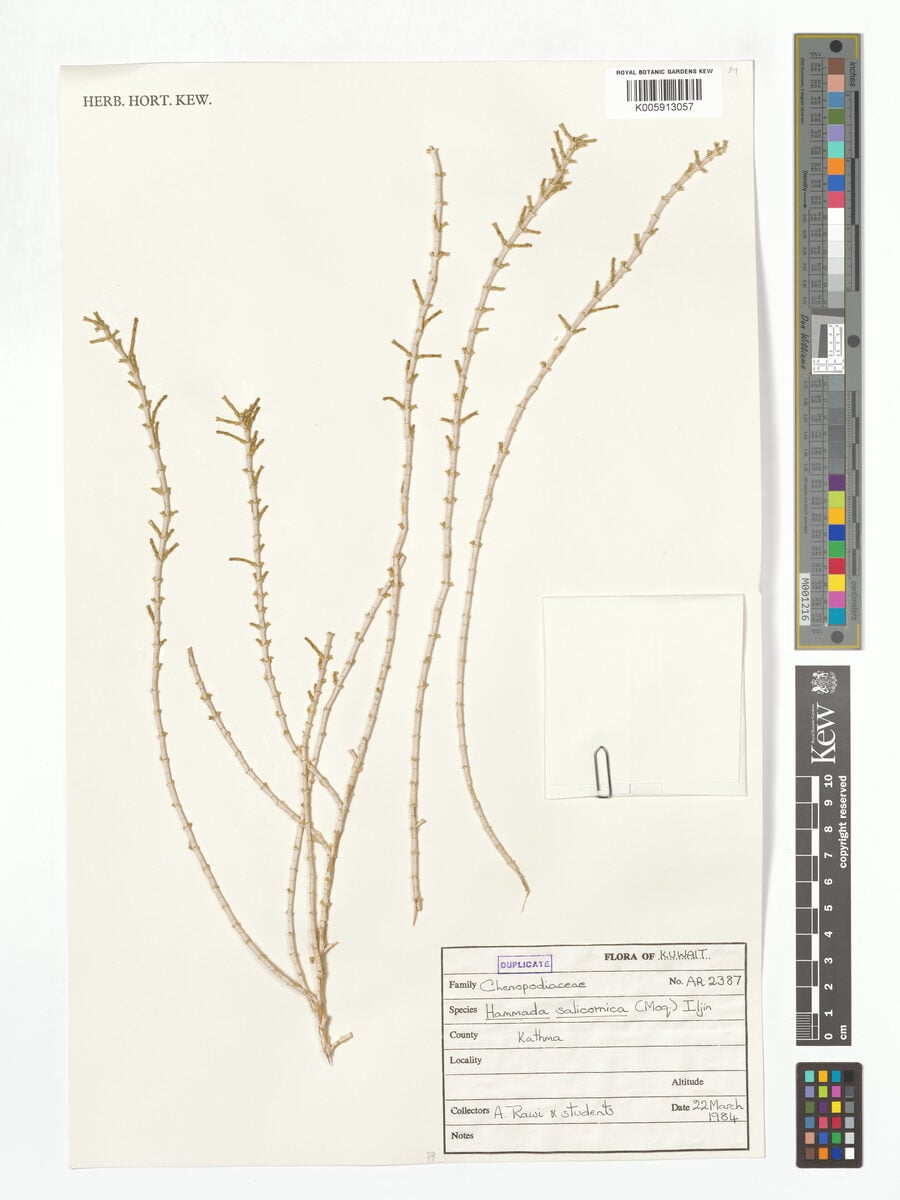
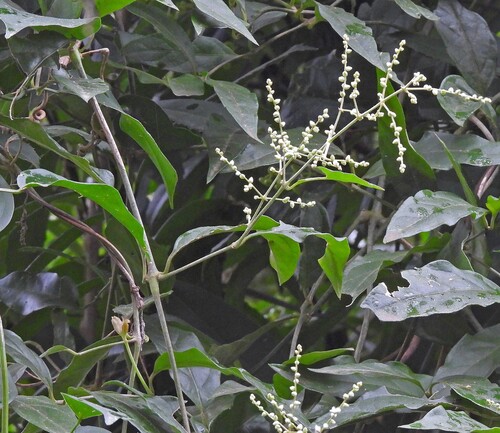
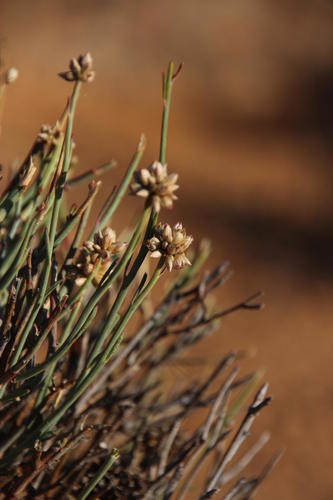
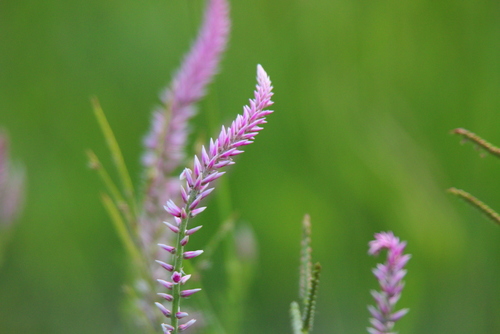
Atriplex torreyi - (S.Watson) S.Watson
(S.Watson) S.Watson
Torrey’s Saltbrush
gbif· cc-by
Steve Matson
gbif· cc-by
Steve Matson
gbif· cc-by
Steve Matson
Description
Atriplex torreyi is an evergreen Shrub growing to 1 m (3ft 3in) by 1 m (3ft 3in) at a medium rate. See above for USDA hardiness. It is hardy to UK zone 7 and is not frost tender. The flowers are pollinated by Wind. It is noted for attracting wildlife. Suitable for: light (sandy) and medium (loamy) soils, prefers well-drained soil and can grow in nutritionally poor soil. Suitable pH: neutral and basic (mildly alkaline) soils and can grow in very alkaline and saline soils. It cannot grow in the shade. It prefers dry or moist soil and can tolerate drought.
Edible Uses
Edibility (summary & rating). Seeds prepared as porridge by the Kamia (Imperial Valley). Leaves not highlighted as food here. Edibility rating: 3/5 (seed food with processing; shrub leaves typically harsh). Parts used & preparation. Seeds (utricles): Clip dry heads; thresh/winnow; grind to meal; simmer as porridge. Expect some woody/alkaline notes; change water if needed. Leaves: If attempted, only as a boiled small portion (Atriplex leaves are often irritating raw).
Known Hazards
No member of this genus contains any toxins, all have more or less edible leaves. However, if grown with artificial fertilizers, they may concentrate harmful amounts of nitrates in their leaves. The seed contains saponins. Although poisonous, saponins are poorly absorbed by the human body and so most pass through without harm. Saponins are quite bitter and can be found in many common foods such as some beans. They can be removed by carefully leaching the seed or flour in running water. Thorough cooking, and perhaps changing the cooking water once, will also normally remove most of them. However, it is not advisable to eat large quantities of food that contain saponins. Saponins are much more toxic to some creatures, such as fish, and hunting tribes have traditionally put large quantities of them in streams, lakes etc in order to stupefy or kill the fish.
Distribution
Southern California and the western Great Basin
Where It Grows
Arizona, California, Nevada, New Mexico, Utah
Cultivation
Shrubby, native saltbush of southern California and the western Great Basin; flowers spring to autumn in alkaline lowlands. Season & phenology. Long flowering window; harvest seed late summer–autumn when heads are papery-dry. Identification notes. Erect, many-branched gray-green shrub with scurfy leaves; abundant bractlets on female plants; overall look similar to other shrubby Atriplex but usually shorter than fourwing saltbush and without conspicuous 4-wings. Habitat & distribution. Alkaline valley bottoms, desert basins, lake margins (S. California, W. Great Basin). Growing conditions & cultivation. Full sun; extremely salt/alkali tolerant; drought hardy; good for windbreaks and saline remediation. Hardiness. Woody USDA ~6–9 (regional variation). Size & habit. Typically 0.5–1.5 m tall, rounded bushes. Weed potential. Low outside saline habitats; forms persistent stands within them. Lookalikes & cautions. Can be confused with fourwing saltbush (A. canescens)—which has showy four-winged fruits; same oxalate/nitrate cautions.
Propagation
Seed (pre-soak/stratify light if needed); semi-hardwood cuttings in summer with rooting hormone and excellent drainage.
Other Uses
A sturdy saline-site shrub
Synonyms
Also Known As
Atriplex torreyi — Torrey’s Saltbrush