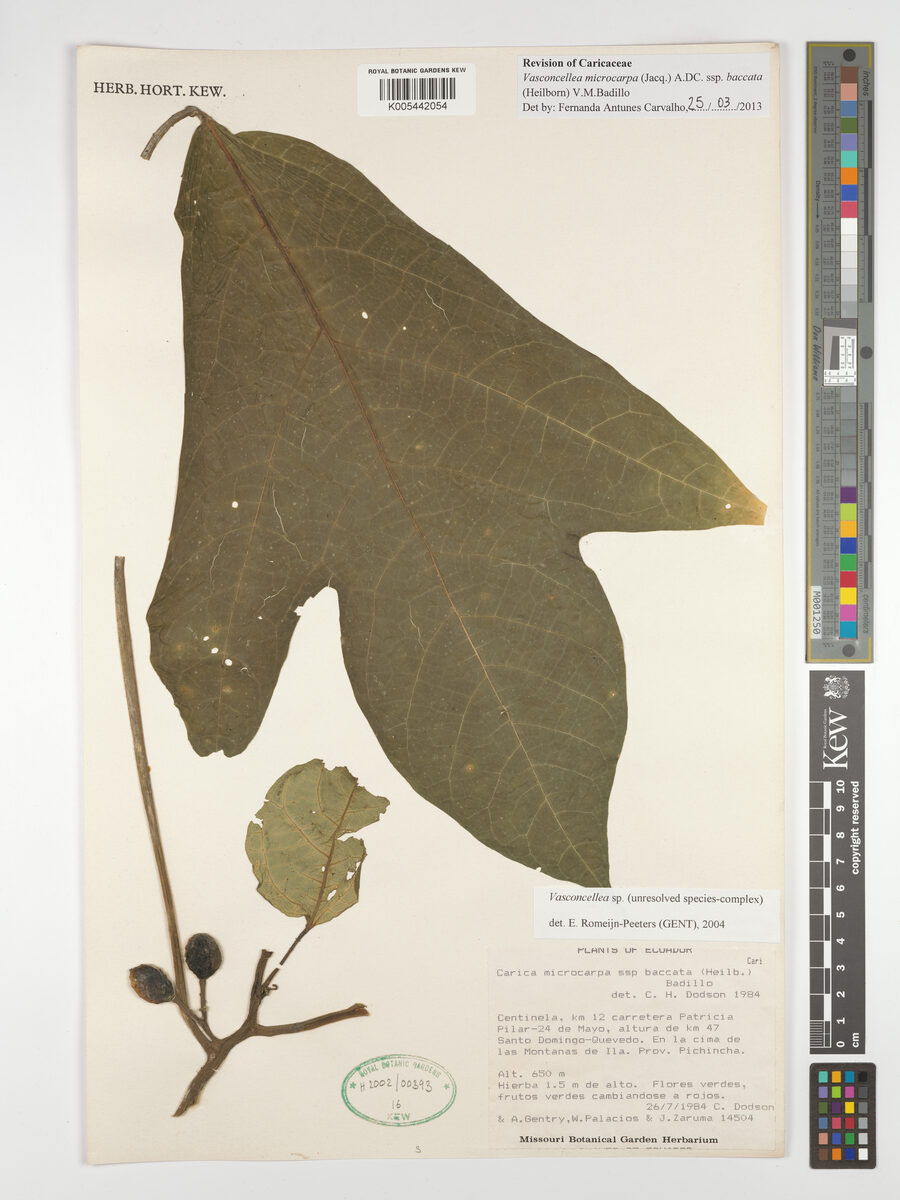
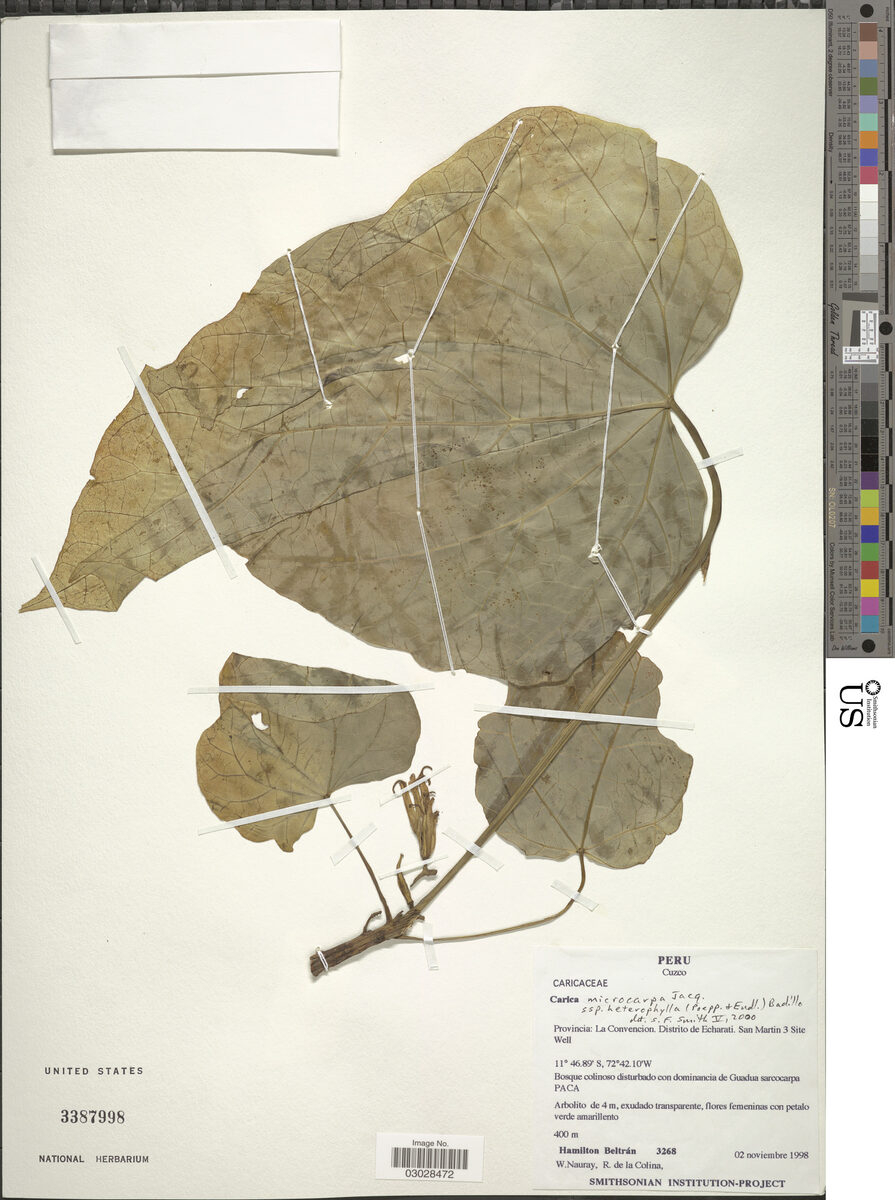
Vasconcellea x heilbornii - (V.M.Badillo) V.M.Badillo
(V.M.Badillo) V.M.Badillo
Babaco
gbif· cc-by-nc
robyp
gbif· cc-by-nc
maverck
gbif· cc-by-nc
Sophy Boada
Description
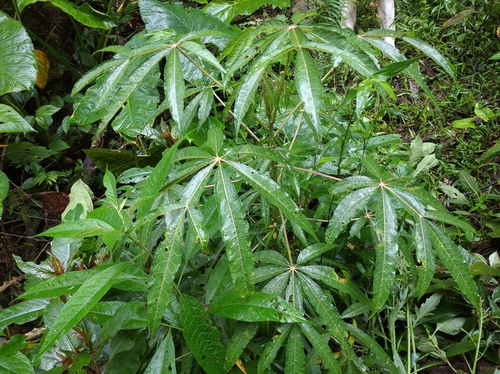
Vasconcellea x heilbornii is an evergreen Tree growing to 2 m (6ft) by 1.5 m (5ft) at a medium rate. See above for USDA hardiness. It is hardy to UK zone 10. The plant is self-fertile. Suitable for: light (sandy), medium (loamy) and heavy (clay) soils and prefers well-drained soil. Suitable pH: mildly acid, neutral and basic (mildly alkaline) soils. It cannot grow in the shade. It prefers moist soil.
Edible Uses
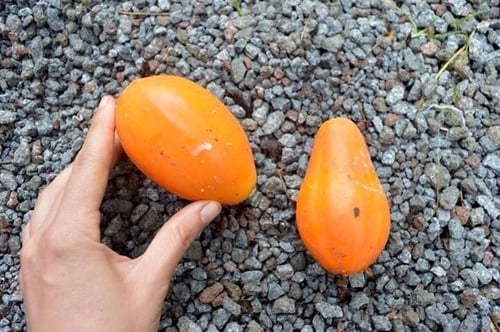
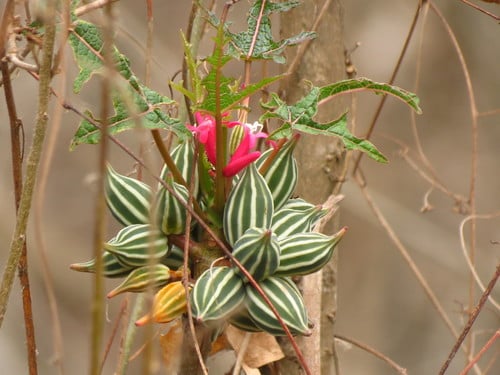
Fruit - raw or cooked. Fragrant and flavourful. The flavour has been likened to the taste of strawberry, with a hint of pineapple. The fruit is usually seedless and can weigh 2 kilos.
Medicinal Uses
Vasconcellea × pentagona (commonly known as babaco) has several documented medicinal and therapeutic uses, primarily stemming from its rich phytochemical profile and high enzymatic content. It is considered a functional food with significant health benefits (National Institutes of Health). Key Medical and Health Properties: High Antioxidant Activity: Babaco fruit is a rich source of natural antioxidants, including flavonoids (such as rutin) and phenolic compounds, which help combat oxidative stress. Antioxidant capacity is highest when the fruit is fully mature. Anti-inflammatory and Anti-cancer Potential: Studies have identified bioactive compounds in babaco, including honokiol and pterosin B, which are recognized for their potential anti-inflammatory and anti-cancer properties. Digestive Aid: Due to a high content of proteolytic enzymes—specifically papain—the fruit acts as a digestive aid by helping to break down proteins. Wound Healing and Skin Benefits: The enzymes present in the fruit are used in the pharmaceutical industry, particularly in products for bruising and wound healing. The compound aloin A was also detected, which is known for its potential skin benefits. Nutritional Support: The fruit is rich in vitamins A and C, which support immune function. Other Bioactive Compounds: Research has identified further beneficial compounds, including: Urolithin B: A metabolite with anti-inflammatory properties that has been studied for its role in muscle health and longevity. Arginine: An amino acid that aids in protein synthesis and cardiovascular health. Zeatin-9-glucoside: A compound researched for potential anti-aging effects (National Institutes of Health.gov). Vasconcellea × pentagona is a natural hybrid often utilized in traditional medicine in the Andean region of South America for its health-promoting properties.
Distribution
S. America - Andes.
Where It Grows
SOUTHERN AMERICA: Colombia, Cundinamarca, Huila, Santander, Valle del Cauca, Ecuador, Azuay, Bolívar, Chimborazo, Loja, Pichincha, Tungurahua,
Cultivation
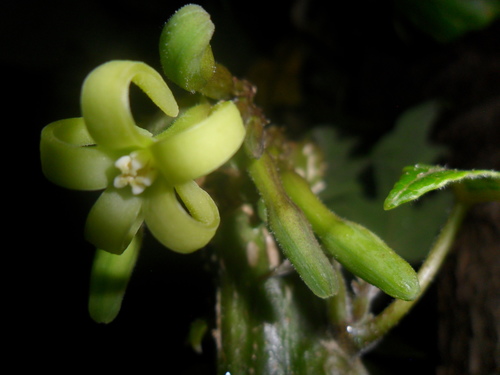
A plant of the highland tropics, where it is usually found at elevations of 1,400 - 2,50 metres. It can also be grown at lower elevations in subtropical and warm, essentially frost-free temperate areas. Yields of over 100 tonnes per hectare are possible. There are several named varieties. The plant coppices well. Although this species is dioecious (male and female flowers on separate plants), fruits are usually produced parthenocarpically, without the need of pollen for fertilisation. A few viable seeds will often be produced, however, if the flower is pollinated.
Propagation
Seed - unlikely to breed true since this is a hybrid species. Seeds are sometimes produced when the flowers are fertilized, these can be used to propagate the plant. Sow the seed in individual containers or in a nursery seedbed in light shade. Germination can be slow and difficult, taking about 30 days. Seedlings can be planted out when 4 - 6 months old. Cuttings work fairly well and maintain female lines that do not need pollination in order to produce fruit..