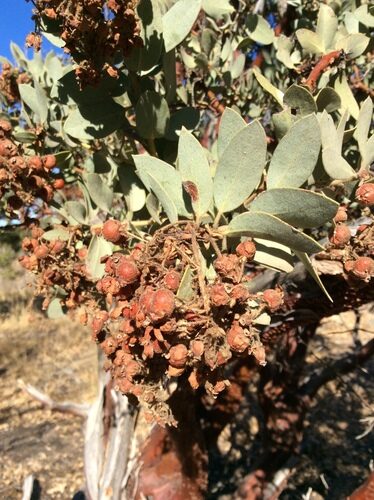
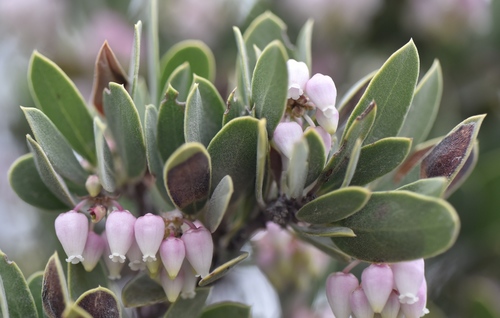
Vaccinium oxycoccos
L.
Small Cranberry
iNaturalist· cc-by-nc
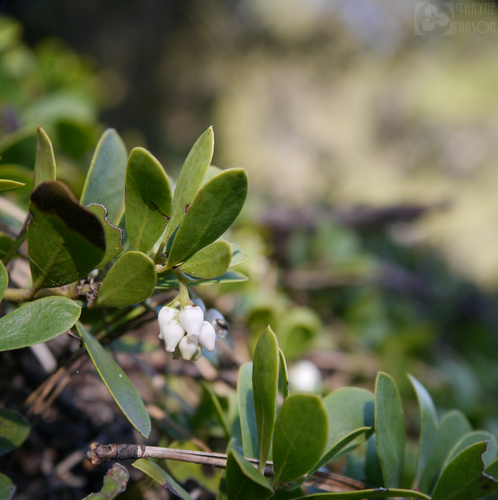
(c) Matthieu Gauvain, some rights reserved (CC BY-NC), uploaded by Matthieu Gauvain
iNaturalist· cc-by-nc
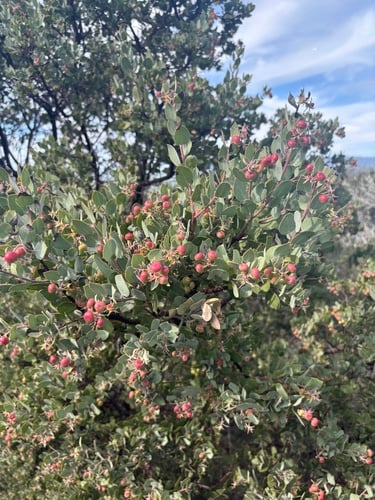
(c) lycaena_kf, some rights reserved (CC BY-NC), uploaded by lycaena_kf
iNaturalist· cc-by-nc
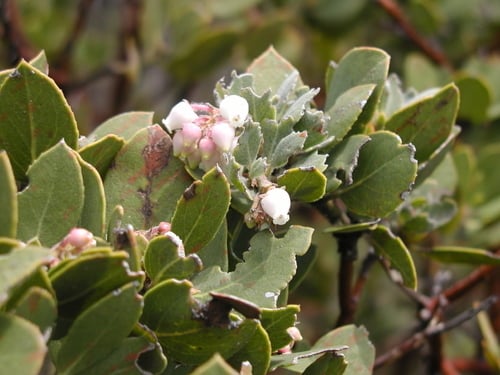
(c) Елена Шинкарук, some rights reserved (CC BY-NC), uploaded by Елена Шинкарук
Description
Vaccinium oxycoccos is an evergreen Shrub growing to 0.1 m (0ft 4in) by 1 m (3ft 3in) at a fast rate. See above for USDA hardiness. It is hardy to UK zone 2. It is in leaf all year, in flower from June to August. The species is hermaphrodite (has both male and female organs) and is pollinated by Bees. The plant is self-fertile. Suitable for: light (sandy) and medium (loamy) soils. Suitable pH: mildly acid soils and can grow in very acid soils. It can grow in semi-shade (light woodland) or no shade. It prefers moist or wet soil.
Edible Uses
Tea. Fruit - raw or cooked[2, 13, 17, 101, 171, 257]. Considered by some to be the most pleasantly-flavoured of British wild fruits. The fruit is high in pectin, this means that it can be mixed with fruits that are low in pectin to help them set when making jam. Pectin has also been shown to have a valuable role in the diet, where it is said to protect the body against radiation. An acid taste, the fruits are usually cooked in preserves etc. Although smaller than the related V. macrocarpon, the fruit of this species is considered to be of superior taste. The fruit is about 6mm in diameter. A tea is made from the leaves.
Medicinal Uses
Antiemetic UrinaryAn infusion of the plant has been used to treat cases of slight nausea. Treatment for urinary infections - cystitis, and scurvy.
Known Hazards
Diarrhoea and other gastrointestinal disturbances with large amounts. Seek professional advice if suffering from kidney disease before using.
Distribution
Europe, including Britain, from Scandanavia south and east to France, Roumania, N. Asia to Japan.
Where It Grows
TEMPERATE ASIA: Russian Federation (Altay, Buryatia, Gorno-Altay, Irkutsk, Kemerovskaja oblast, Krasnoyarsk (south), Kurganskaja oblast, Novosibirsk, Omsk, Tomsk, Tyumen, Tyva, Respublika, Yakutia-Sakha), Russian Federation (Kurile Islands), China (Jilin Sheng (south)), Korea, Japan (Hokkaidô, Honshu (central & north)) NORTHERN AMERICA: Canada (Northwest Territories, Yukon, Québec, Nova Scotia, Ontario, Prince Edward Island, New Brunswick, Newfoundland and Labrador, Saskatchewan, Alberta, Manitoba, British Columbia, Nunavut), St. Pierre and Miquelon, United States (Alaska, Indiana (north), Maine, Massachusetts, Michigan, New Hampshire, New Jersey, New York, Ohio, Pennsylvania, Rhode Island, Vermont, West Virginia, Connecticut, Minnesota, Illinois, Wisconsin, Idaho (north), Oregon (northwest), Washington (west), Maryland (west), California) EUROPE: Denmark, Finland, United Kingdom, Ireland, Iceland, Norway, Sweden, Austria, Belgium, Switzerland, Germany, Hungary, Netherlands, Poland, Russian Federation-European part (European part (north)), Belarus (north), Estonia, Lithuania, Latvia, Ukraine (north), Italy (north), Romania, Slovenia, France
Cultivation
Requires a moist or wet lime free soil, preferring one that is rich in peat or a light loamy soil with added leaf-mould. Prefers a very acid soil with a pH in the range of 4.5 to 6, plants soon become chlorotic when lime is present. Succeeds in full sun or light shade though it fruits better in a sunny position. Requires shelter from strong winds. The fruit often persists on the plant all winter without rotting. Dislikes root disturbance, plants are best grown in pots until being planted out in their permanent positions. Plants in this genus are notably resistant to honey fungus. In garden design, as well as the above-ground architecture of a plant, root structure considerations help in choosing plants that work together for their optimal soil requirements including nutrients and water.
Propagation
Seed - sow late winter in a greenhouse in a lime-free potting mix and only just cover the seed. Stored seed might require a period of up to 3 months cold stratification. Another report says that it is best to sow the seed in a greenhouse as soon as it is ripe. Once they are about 5cm tall, prick the seedlings out into individual pots and grow them on in a lightly shaded position in the greenhouse for at least their first winter. Plant them out into their permanent positions in late spring or early summer, after the last expected frosts. Cuttings of half-ripe wood, 5 - 8cm with a heel, August in a frame. Slow and difficult. Layering in late summer or early autumn. Another report says that spring is the best time to layer. Takes 18 months. Division of suckers in spring or early autumn.
Other Uses
Cleanser Dye. The juice of the fruit is used to clean silver. A red dye is obtained from the fruit. Plants can be grown as a ground cover when planted about 1 metre apart each way. Plants rapidly form a dense carpet when they are thriving.