Epilobium palustre
L.
Marsh Willow-herb
iNaturalist· cc-by-nc
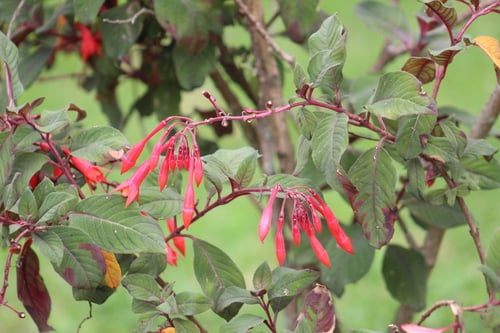
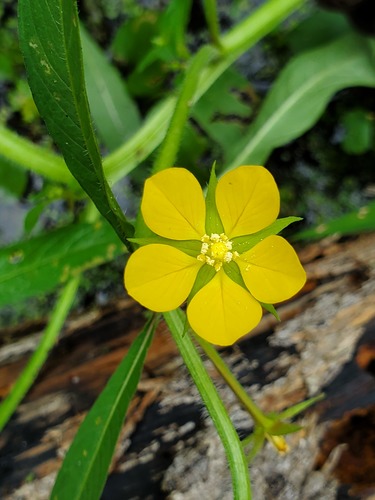
(c) Svetlana Nesterova, some rights reserved (CC BY-NC), uploaded by Svetlana Nesterova
iNaturalist· cc-by-nc
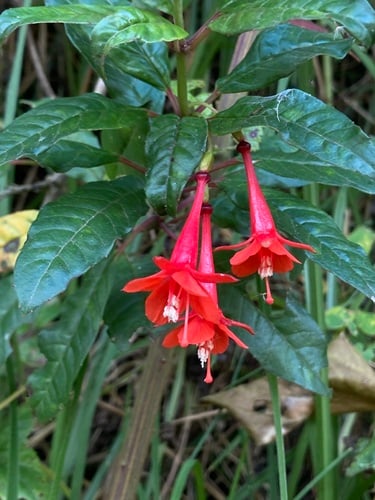
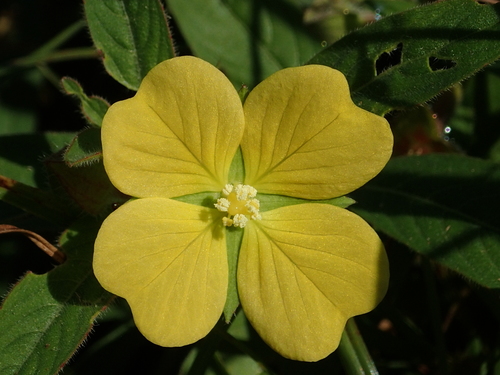
(c) Dina Nesterkova, some rights reserved (CC BY-NC), uploaded by Dina Nesterkova
iNaturalist· cc-by-nc
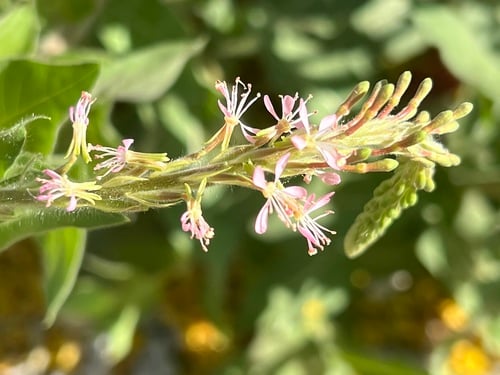
(c) HermannFalkner/sokol, some rights reserved (CC BY-NC)
Summary
Source: WikipediaEpilobium palustre is a species of willowherb known by the common name marsh willowherb. This plant has a circumboreal distribution, and can be found further south in mountainous areas.
Description
A short herb. It may or may not have hairs and forms slender underground runners. It keeps growing from year to year. The stems are erect. The leaves are sword shaped and mostly opposite. They do not have teeth and do not have stalks. The flowers are pale pink or white. They are 8-12 mm across and in lax racemes.
Edible Uses
Leaves and young shoots are edible cooked.
Medicinal Uses
None known
Distribution
It grows in wet places and marshes and usually on slightly acid soils. It can be in alpine meadows. It grows between 200-4,500 m above sea level.
Where It Grows
Asia,Britain, Central Asia, China, Europe, France, Greece, Greenland, Himalayas, India, Iran, Italy, Japan, Kazakhstan, Korea, Luxembourg, Mediterranean, Middle East, Mongolia, Nepal, North America, Pakistan, Portugal, Russia, Slovenia, Spain, Tajikistan, Tibet, Turkey, Türkiye,
Cultivation
Prefers a well-drained but moisture retentive soil in a sunny position. Succeeds in most soils. A calcifuge plant, it requires a lime-free soil.
Propagation
Sow seed in early spring in situ, or as soon as it is ripe. Divide in spring or autumn — larger clumps can be replanted directly into permanent positions, though smaller clumps are best potted up and grown on in a cold frame until rooting well, then planted out in spring.
Other Uses
None known Special Uses
Notes
There are about 165 Epilobium species. They are mostly temperate.
Also Known As
Močvirski vrbovec
References (2)
- Blamey, M and Grey-Wilson, C., 2005, Wild flowers of the Mediterranean. A & C Black London. p 152
- Plants for a Future database, The Field, Penpol, Lostwithiel, Cornwall, PL22 0NG, UK. http://www.scs.leeds.ac.uk/pfaf/