Oryza hybrids
Various
Perennial Rice
No photos yet for Oryza hybrids
Sign in to contribute a photoDescription
Oryza hybrids is a PERENNIAL growing to 2 m (6ft) by 0.3 m (1ft in) at a fast rate. See above for USDA hardiness. It is hardy to UK zone 8. Suitable for: light (sandy), medium (loamy) and heavy (clay) soils. Suitable pH: mildly acid, neutral and basic (mildly alkaline) soils. It cannot grow in the shade. It prefers moist or wet soil and can grow in water.
Edible Uses
Carbon Farming Solutions - Staple Crop: balanced carb (The term staple crop typically refers to a food that is eaten routinely and accounts for a dominant part of people's diets in a particular region of the world). Under development as new cereal, annual O. sativa crossed with its perennial ancestors, O. longistaminata and O. rufipogon.
Medicinal Uses
Urinary. Rice is a nutritive, soothing, tonic herb that is diuretic, reduces lactation, improves digestion and controls sweating. The seeds are taken internally in the treatment of urinary dysfunction. The seeds, or the germinated seeds, are taken to treat excessive lactation. The germinated seeds are used to treat poor appetite, indigestion abdominal discomfort and bloating. The grains are often cooked with herbs to make a medicinal gruel. The rhizome is taken internally in the treatment of night sweats, especially in cases of tuberculosis and chronic pneumonia. The rhizomes are harvested at the end of the growing season and dried for use in decoctions.
Distribution
Origin: hypothetical hybrid.
Where It Grows
Coming Soon
Cultivation
Succeeds in full sun and in moderate shade. Requires a wet soil or shallow water.
Propagation
Seed. The seed of wild rice less than 12 months old often exhibits strong dormancy, which implies (though this has not been established) that the seed retains its viability for a considerable period. Heat treatment is generally effective in breaking dormancy - alternating temperatures between 34°c for 16 hours then 11°c for 8 hours is usually effective, though the time taken varies between species. Surface sow the seed in light shade and do not allow to dry out. Seed should germinate within 7 days at 30°c. Prick out 2 - 3 seedlings into individual pots when large enough to handle and, after a few days, move to a sunny position. Grow on until large enough to plant out. Division.
Other Uses
The straw, which may attain considerable length if the plant has grown in flood water, is valued for thatching. Because they are a source of resistance to or tolerance of biotic and abiotic stresses, the most important use of the various species of wild rice is probably in breeding programmes to improve the species of cultivated rice.
Synonyms
Also Known As
Rice hybrids. Perennial rice.
More from Amaranthaceae
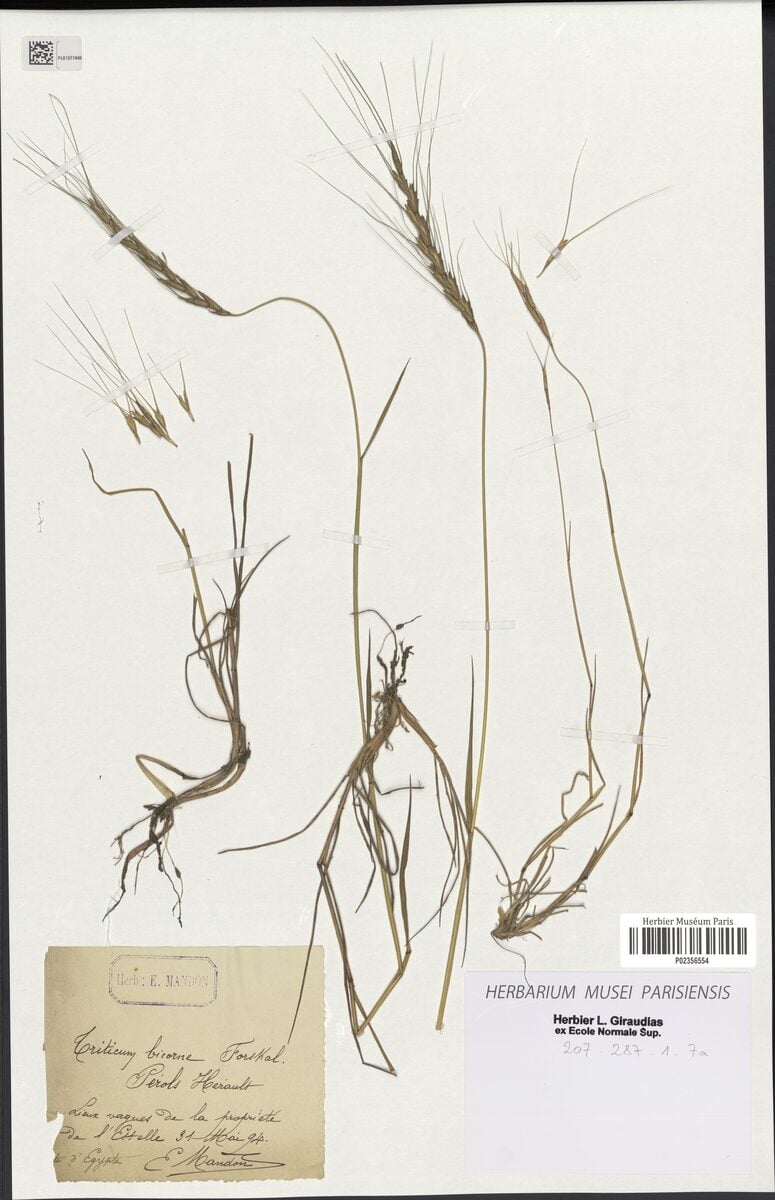
Triticum bicorne
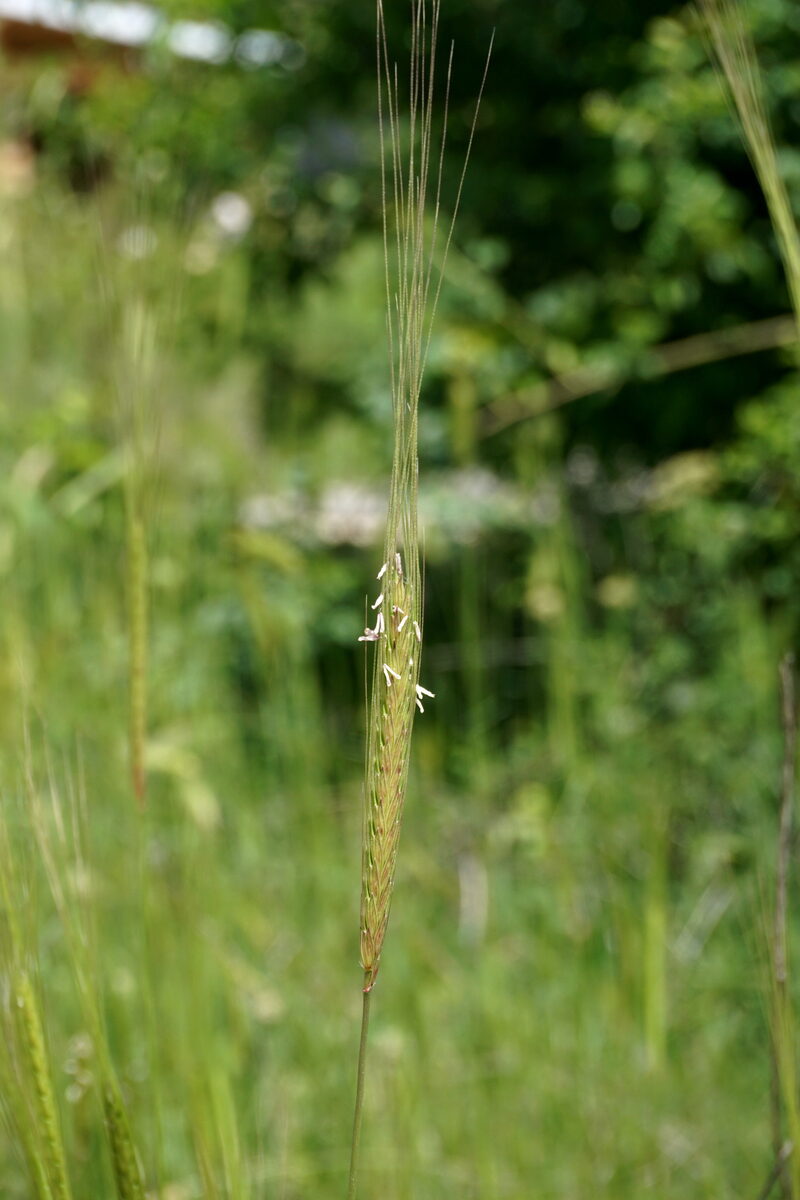
Triticum monococcum aegilopoides - (Link.)Thell.
Wild Einkorn
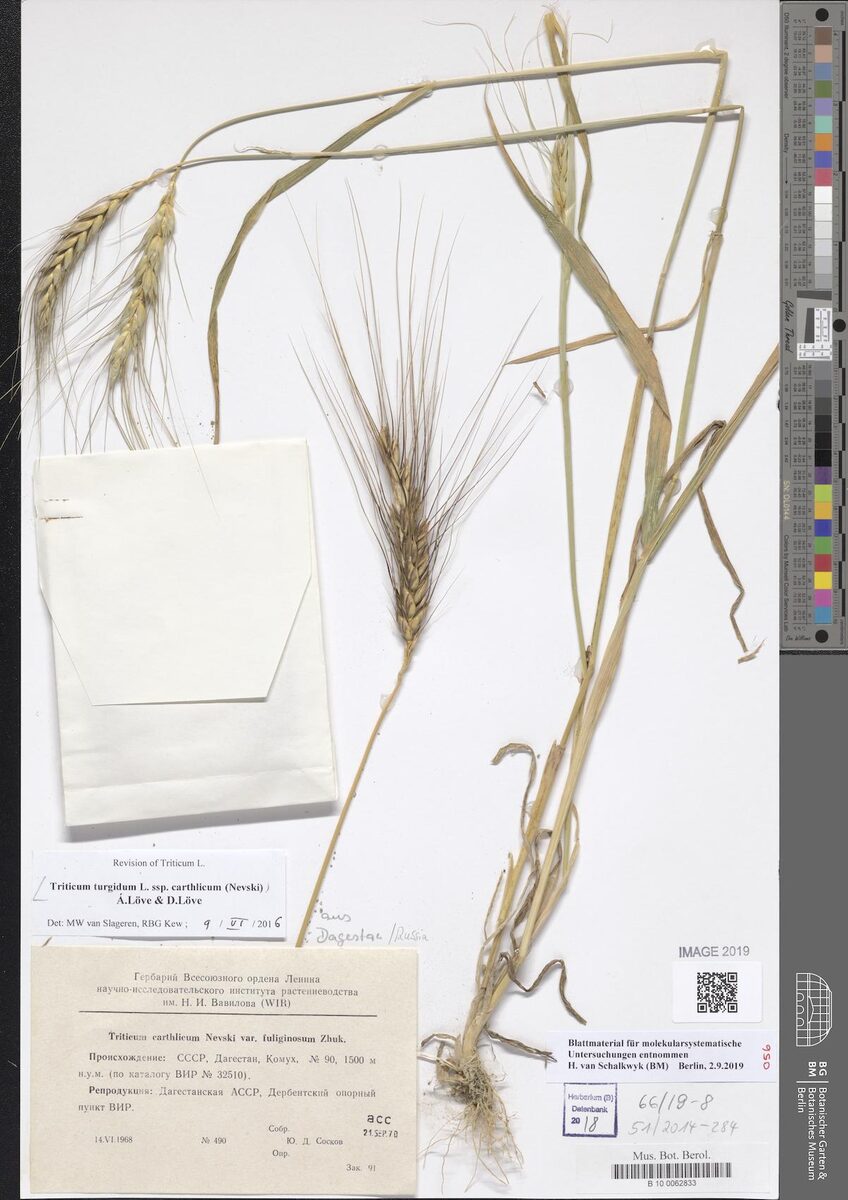
Triticum turgidum carthlicum - (Nevski.)Á.Löve.&D.Löve.
Persian Wheat
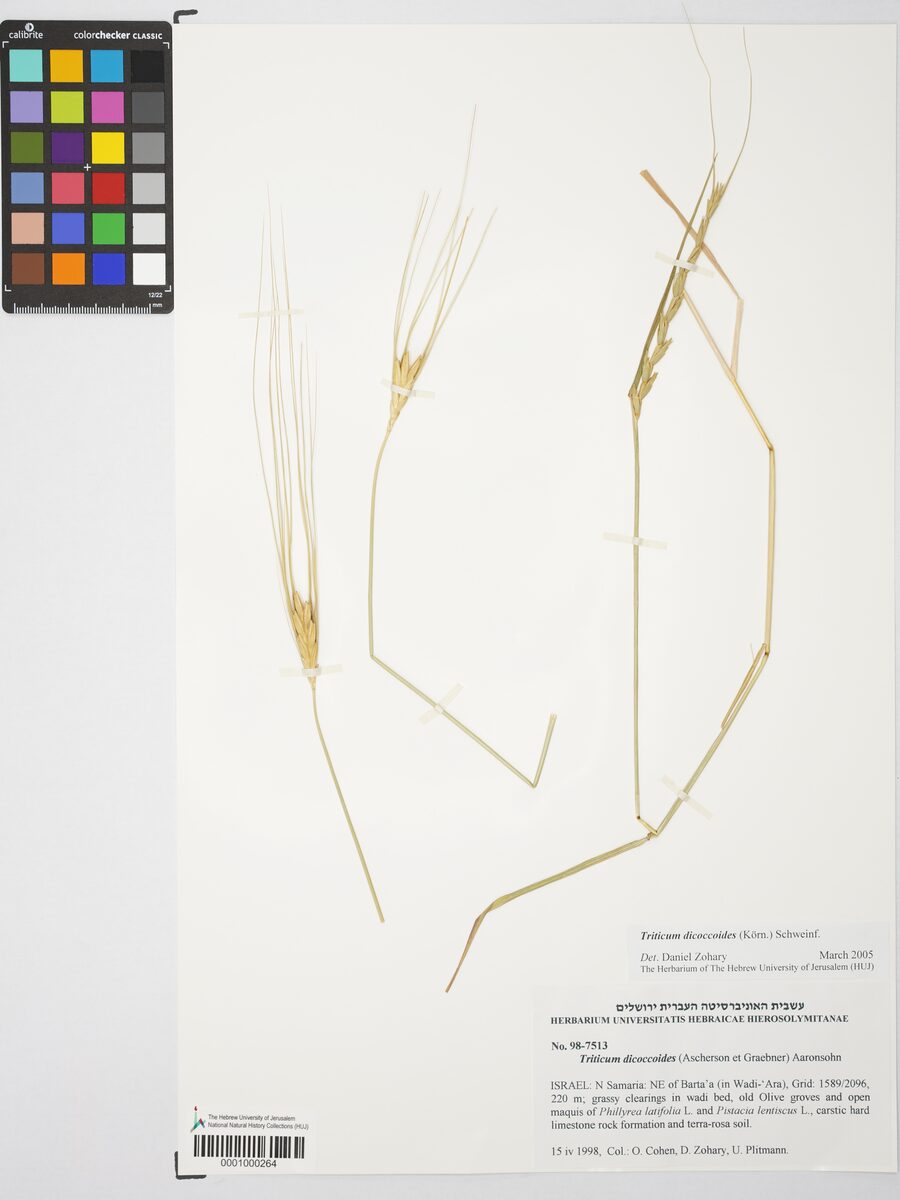
Triticum turgidum dicoccoides - (Körn. ex Asch.&Graebn.)Thell.
Wild Emmer
Triticum turgidum dicoccon - (Schrank.)Thell.
Emmer
Triticum turgidum durum - (Desf.)Husn.
Durum Wheat