Lycopus europaeus
L.
Gypsywort
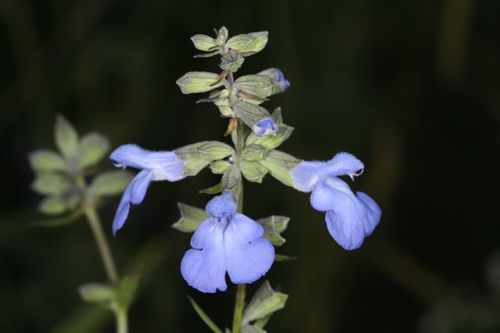
iNaturalist· cc0
no rights reserved, uploaded by Piermario Maculan
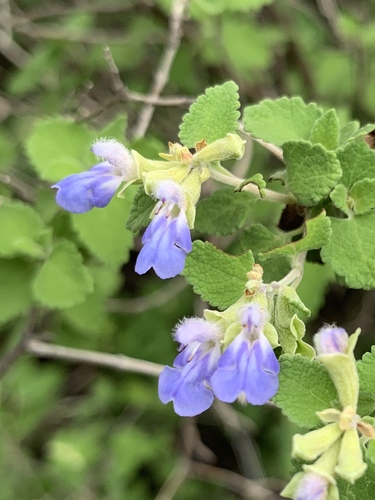
iNaturalist· cc-by-nc
(c) Zdeňka Nováková, some rights reserved (CC BY-NC), uploaded by Zdeňka Nováková
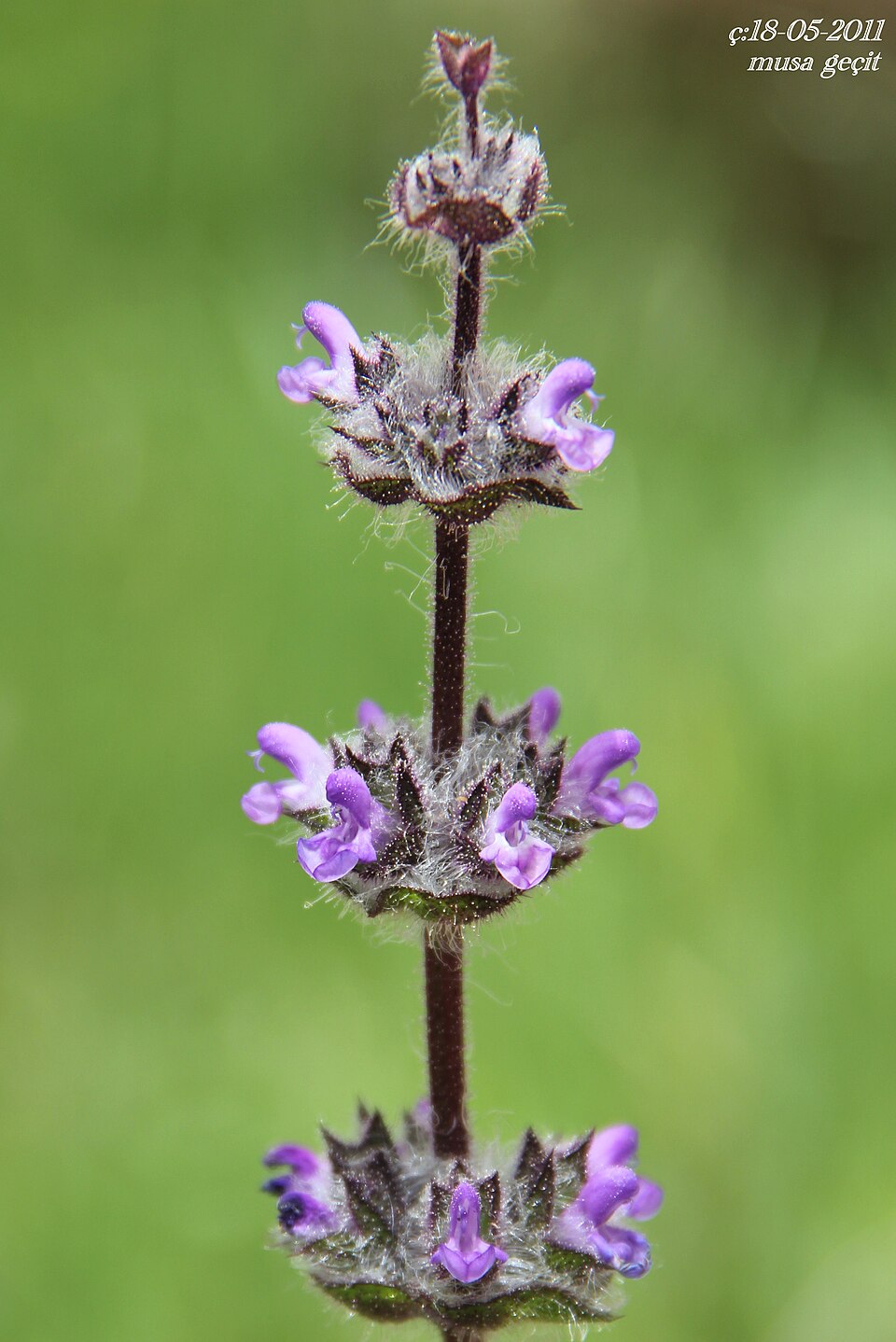
iNaturalist· cc-by-nc
(c) sparent66, some rights reserved (CC BY-NC)
Description
Lycopus europaeus is a PERENNIAL growing to 1 m (3ft 3in). See above for USDA hardiness. It is hardy to UK zone 5. It is in flower from June to September, and the seeds ripen from August to October. The species is hermaphrodite (has both male and female organs) and is pollinated by Bees, flies. The plant is self-fertile. Suitable for: light (sandy), medium (loamy) and heavy (clay) soils. Suitable pH: mildly acid, neutral and basic (mildly alkaline) soils. It can grow in semi-shade (light woodland) or no shade. It prefers moist or wet soil and can grow in water.
Edible Uses
Root - raw or cooked. A famine food, it is only used when all else fails.
Medicinal Uses
Astringent Miscellany Poultice Sedative. The fresh or dried flowering herb is astringent and sedative. It inhibits iodine conversion in the thyroid gland and is used in the treatment of hyperthyroidism and related disorders. The whole plant is used as an astringent, hypoglycaemic, mild narcotic and mild sedative. It also slows and strengthens heart contractions. The plant has been shown to be of value in the treatment of hyperthyroidism, it is also used in the treatment of coughs, bleeding from the lungs and consumption, excessive menstruation etc. The leaves are applied as a poultice to cleanse foul wounds. This remedy should not be prescribed for pregnant women or patients with hypothyroidism. The plant is harvested as flowering begins and can be use fresh or dried, in an infusion or as a tincture. Current uses are predominantly for increased activity of the thyroid gland and for premenstrual syndrome symptoms such as breast pain. The German Commission E Monographs, a therapeutic guide to herbal medicine, approve Lycopus for nervousness and premenstrual syndrome (see for critics of commission E).
Known Hazards
Known to cause the enlargement of the thyroid gland. Avoid in patients with thyroid disease or given concomitantly with thyroid therapy. Avoid during pregnancy.
Distribution
Europe, including Britain, to the Mediterranean, north and central Asia.
Where It Grows
TEMPERATE ASIA: Afghanistan, Iran, Iraq, Syria (west), Turkey, Russian Federation-Ciscaucasia (Ciscaucasia), Armenia, Azerbaijan, Georgia, Russian Federation (Dagestan), Russian Federation-Western Siberia (Western Siberia), Russian Federation-Eastern Siberia (Eastern Siberia), Kazakhstan, Kyrgyzstan, Tajikistan, Uzbekistan, China (Hebei Sheng, Shaanxi Sheng, Xinjiang Uygur Zizhiqu), Japan TROPICAL ASIA: Pakistan EUROPE: Denmark, United Kingdom, Norway, Sweden, Czechoslovakia, Austria, Belgium, Switzerland, Germany, Hungary, Netherlands, Poland, Russian Federation (European part), Belarus, Estonia, Lithuania, Latvia, Moldova, Ukraine, Former Yugoslavia, Albania, Bulgaria, Greece, Italy, Romania, Spain, France, Portugal
Cultivation
Tolerates most soil types so long as they are wet. Grows well in shallow water. Succeeds in sun or shade.
Propagation
Seed - sow spring or autumn in a cold frame. Prick out the seedlings into individual pots when they are large enough to handle and grow them on in the greenhouse for their first year. Plant them out into their permanent positions in early summer. Division in spring or autumn. Larger clumps can be replanted direct into their permanent positions, though it is best to pot up smaller clumps and grow them on in a cold frame until they are rooting well. Plant them out in the spring.
Other Uses
Dye MiscellanyA black dye is obtained from the plant. It is said to give a permanent colour and was also used by gypsies in order to darken the skin.