Brassica juncea integrifolia crispifolia
L.H.Bailey
Curled Mustard
gbif· cc-by-nc
Arizona State University Vascular Plant Herbarium (ASU-Plants)
gbif· cc-by-nc
Chadron State College, High Plains Herbarium (CSCN-)
gbif· cc-by-nc
Chadron State College, High Plains Herbarium (CSCN-)
Description
Brassica juncea integrifolia crispifolia is a ANNUAL growing to 0.3 m (1ft) by 0.3 m (1ft in) at a fast rate. See above for USDA hardiness. It is hardy to UK zone 6. The flowers are pollinated by Bees. The plant is self-fertile. Suitable for: light (sandy), medium (loamy) and heavy (clay) soils, prefers well-drained soil and can grow in heavy clay soil. Suitable pH: mildly acid, neutral and basic (mildly alkaline) soils. It can grow in semi-shade (light woodland) or no shade. It prefers moist soil.
Edible Uses
Condiment. Leaves - raw or cooked[ 22 , 33 , 46 , 52 , 61 ]. A peppery flavour that can range from mild to hot, this is one of the most highly prized cooked vegetables in the Orient. The leaves can also be finely shredded and added to mixed salads. The protein extracted from the leaves mixes well with banana pulp and is well adapted as a pie filling. Flowers and young flowering stems - raw or cooked. Sweet and succulent. An edible semi-drying oil is obtained from the seed[ 1 , 2 , 17 , 57 , 183 ]. The seed contains 25 - 30% oil. The seed is used as a mustard flavouring. It is the source of 'brown mustard', a prepared mustard that is milder than that produced from other species. Pungency of mustard develops when cold water is added to the ground-up seed - an enzyme (myrosin) acts on a glycoside (sinigrin) to produce a sulphur compound. The reaction takes 10 - 15 minutes. Mixing with hot water or vinegar, or adding salt, inhibits the enzyme and produces a mild bitter mustard. Black mustard comes from B. nigra and white mustard from Sinapis alba. The seed is also used whole in curries and pickles. They are often heated in oil to destroy their pungency and give them a nutty flavour. Sprouted seeds can be added to salads.
Medicinal Uses
Anodyne Antiarthritic Antiinflammatory Antirheumatic Antitumor Aperient Diuretic Emetic Galactogogue Laxative Rubefacient Skin Stimulant Tonic. Reported to be anodyne, aperitif, diuretic, emetic, rubefacient, and stimulant, the plant is a folk remedy for arthritis, foot ache, lumbago, and rheumatism. The seed is used in the treatment of tumours in China. In Korea, the seeds are used in the treatment of abscesses, colds, lumbago, rheumatism, and stomach disorders. The root is used as a galactagogue in Africa. Ingestion may impart a body odour repellent to mosquitoes. Mustard oil is used in the treatment of skin eruptions and ulcers. Believed to be aperient and tonic, the volatile oil is used as a counterirritant and stimulant. In Java the plant is used as an antisyphilitic emmenagogue. Leaves applied to the forehead are said to relieve headache. The Chinese eat the leaves in soups for bladder, inflammation or haemorrhage.
Known Hazards
An oil obtained from the seeds can have a high content of erucic acid. There have been some health concerns over the consumption of high levels of erucic acid n humans, though this is still controversial. At present (2012), several countries only allow cultivars with low erucic acid levels to be used for food.
Distribution
A cultivar of garden origin
Where It Grows
Coming Soon
Cultivation
A form of B. juncea with curled leaves that has been selected in the Orient for its edibility. There are some named varieties. Very hardy in cold weather, it is used more in temperate areas than in tropical ones. Succeeds in full sun in most well-drained moisture-retentive fertile soils. Prefers a heavy soil and some shade. Dislikes very hot weather. Plants tolerate high rainfall and, although fairly deep rooted, are not very drought resistant. Plants have a rooting depth of between 90 - 120 cm. A good bee plant.
Propagation
Seed - sow in situ from August to October. Spring and early summer-sown crops tend to run quickly to seed, though they can be eaten whilst still small. It is best not to sow the seed in very hot weather. There are about 5,660 - 6,000 per 0.01 kg (1/3 oz).
Other Uses
Green manure Repellent Soil reclamation Teeth. Other uses rating: Low (2/5). Agroforestry Uses: There is some evidence that if this plant is grown as a green manure it is effective in reducing soil-borne root rots in pea crops. This is attributed to chemicals that are given off as the plants decay. Other Uses None known
Synonyms
Also Known As
Curled Mustard or Brassica juncea
More from Brassicaceae
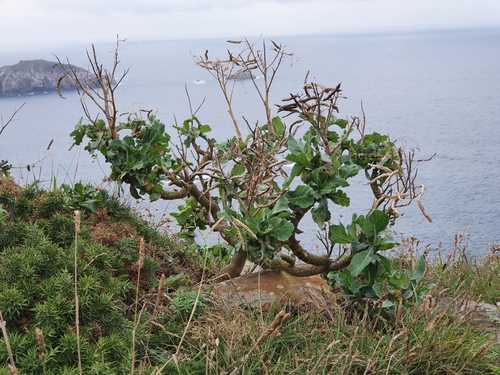
Brassica oleracea var. botrytis var. asparagoides
Nine star perennial broccoli
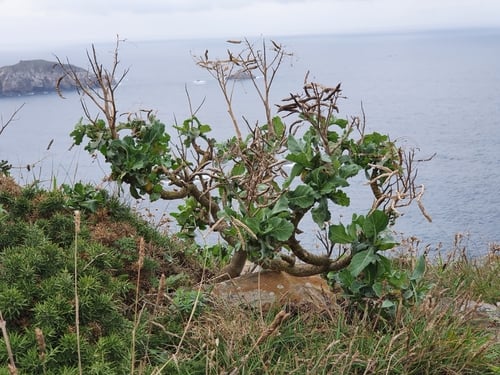
Brassica oleracea var. capitata
Cabbage
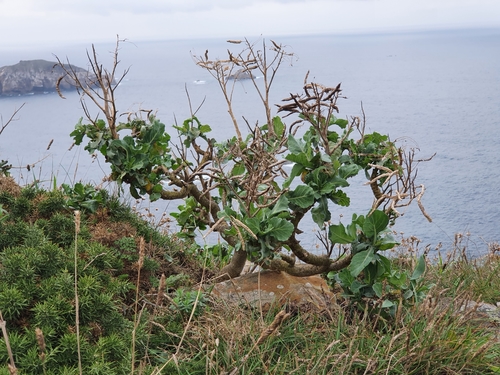
Brassica oleracea var. fruticosa
Thousand-headed kale
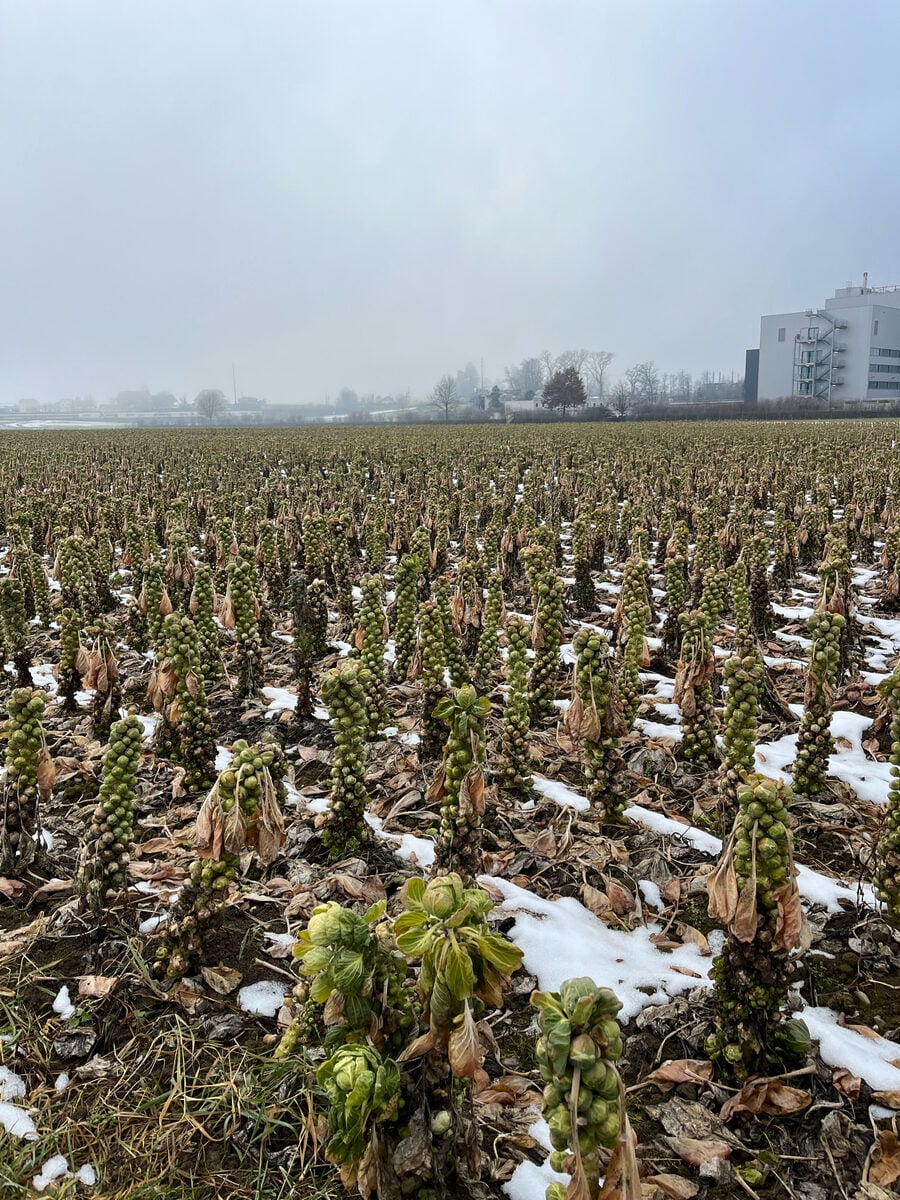
Brassica oleracea var. gemmifera
Brussels sprouts
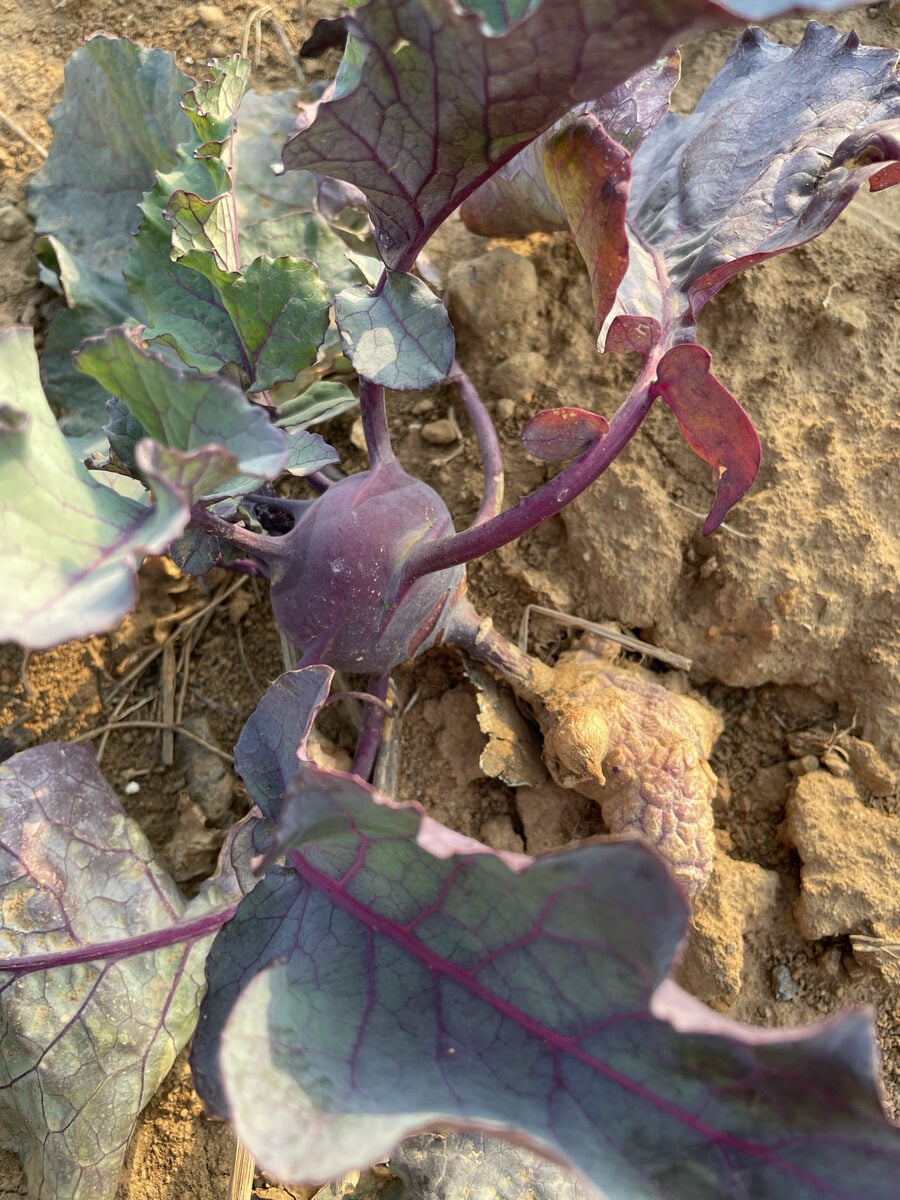
Brassica oleracea var. gongylodes
Kohl rabi
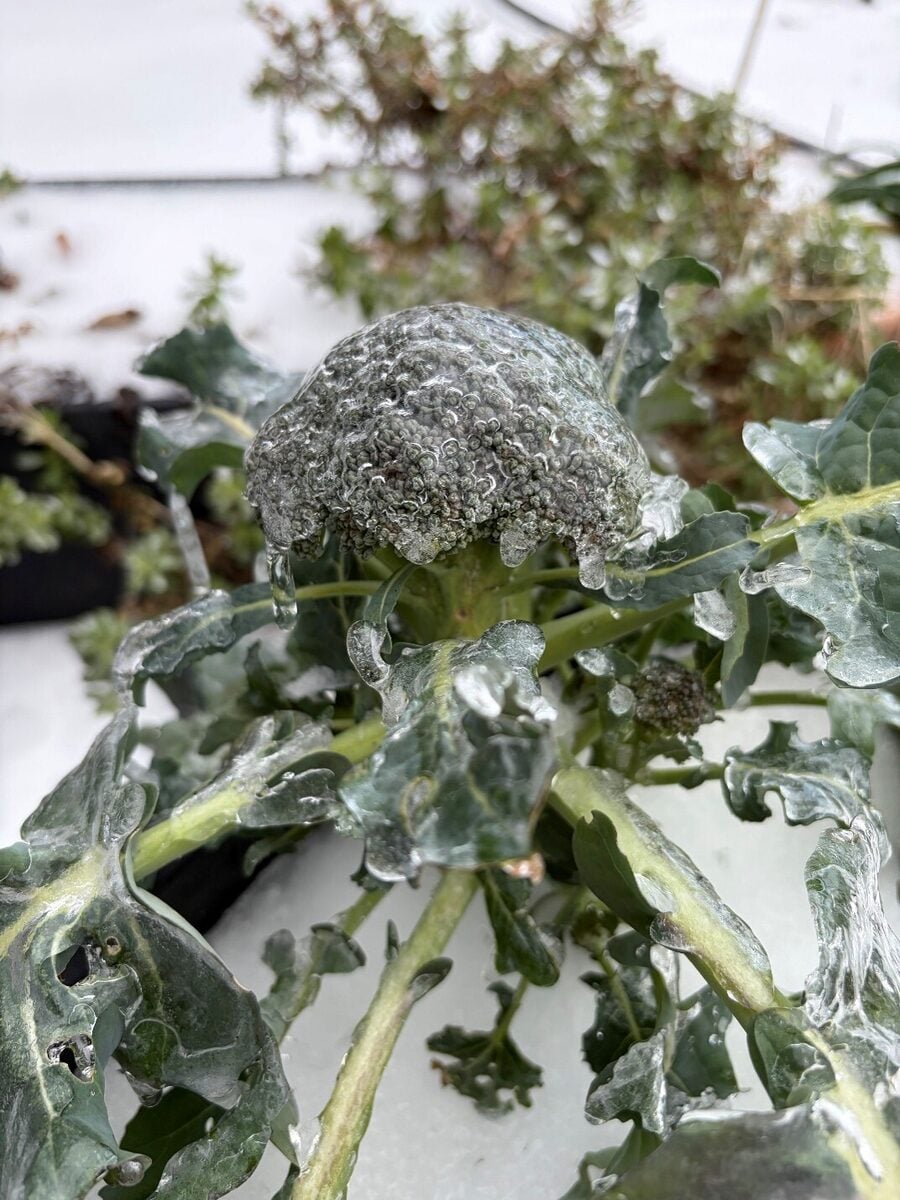
Brassica oleracea var. italica
Broccoli