Eminium spiculatum
(Blume) Schott
Eminium, Friar's cowl
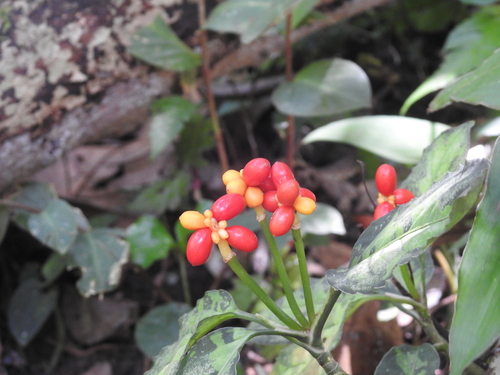
iNaturalist· cc-by-nc
(c) Ron Frumkin, some rights reserved (CC BY-NC), uploaded by Ron Frumkin
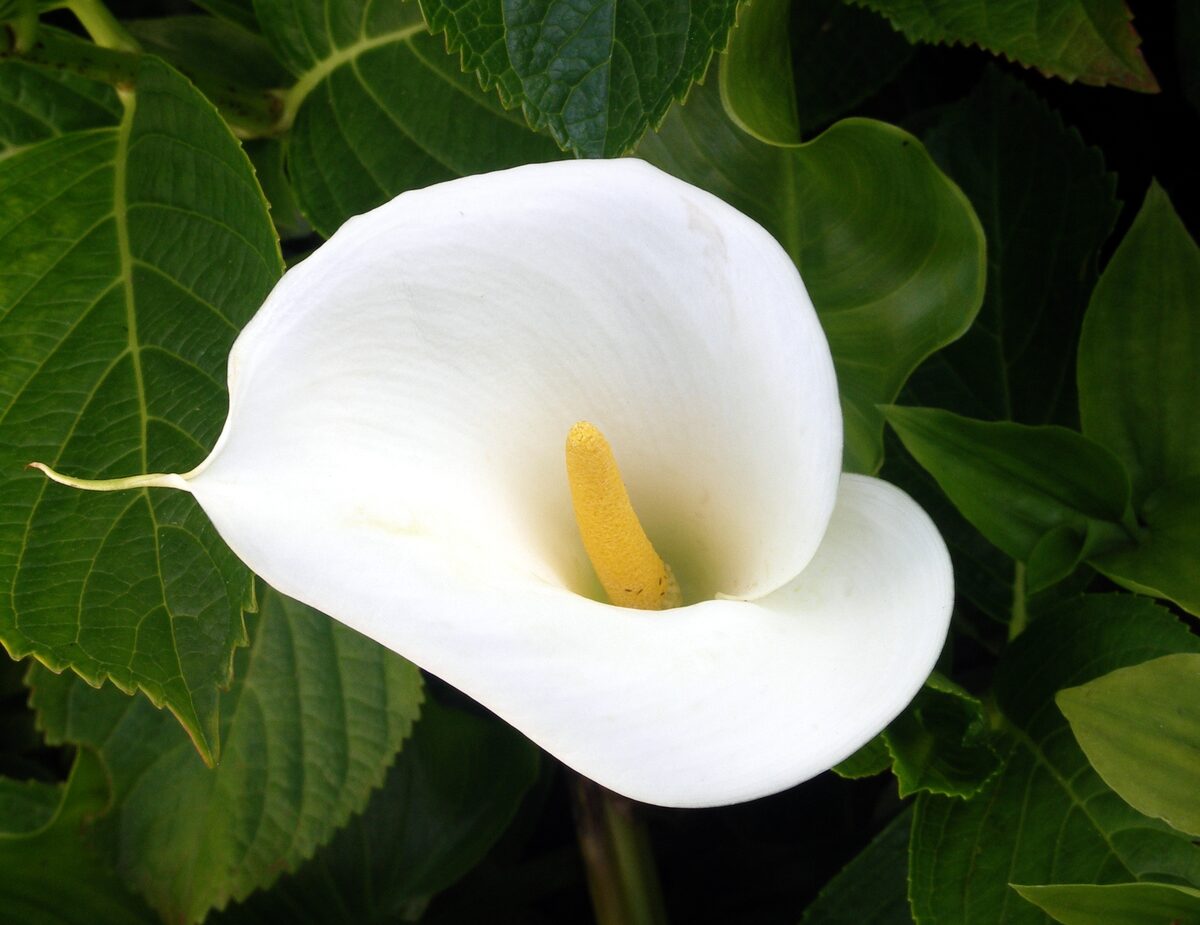
iNaturalist· cc-by-nc
(c) reisegali, some rights reserved (CC BY-NC)
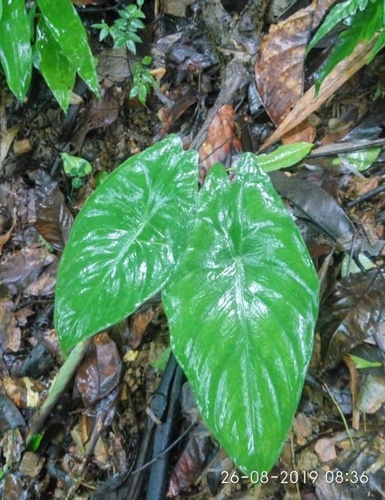
iNaturalist· cc-by-nc
(c) elenakuraeva, some rights reserved (CC BY-NC)
Summary
Source: WikipediaEminium spiculatum is a species of plant in the family Araceae.
Description
A bulb or root crop plant. It grows 10 cm high. It keeps growing from year to year. The leaves are in rings. The leaves are lobed.
This description is brief — help expand it
Edible Uses
The root is edible cooked. Some caution is advised regarding toxicity.
Traditional Uses
The leaves are eaten raw in salads. The fresh or dried leaves are used in cooking. They are used in lamb stew. The root is cooked and eaten. Caution: Plants in this family can contain oxalates.
Medicinal Uses
None known.
Distribution
It is a Mediterranean plant. It grows in sand. It grows in dry rocky places. In Lebanon it grows in fields and in waste places in the highlands. It grows in hardiness zone 8 and above.
Where It Grows
Asia, Europe, Israel, Jordan, Lebanon, Mediterranean, Middle East, Palestine, Turkey, Türkiye,
Propagation
Seed is best sown in a greenhouse as soon as it is ripe, though early spring sowing is also possible. Prick seedlings into individual pots once large enough to handle and grow on under glass for at least their first winter, planting out in late summer when dormant. Division can be done in late summer when plants are dormant.
Other Uses
None known.
Notes
There are 8 Eminium species. It probably has anticancer peoperties.
Also Known As
Ja'deh, Kirke ereba, Smaia', Sumai'ah, Zilika ereba
References (9)
- Albalawneh, A., et al, 2022, Traditional Knowledge of Wild Plant Species Used by Local People Inhabiting the Southern Part of Wadi Araba Desert in South-West Jordan. Research Square.
- Al-Ismail, A. et al, 2007, Antioxidant Activities of some Edible Wild Mediterranean Plants. Ital. J. Food Sci. n. 3, vol. 19 - 2007 287
- Ali-Shtayeh, M. S., et al, 2008, Traditional knowledge of wild edible plants used in Palestine (Northern West Bank): A comparative study. J Ethnobiol Ethnomed. 4: 13
- Al-Qura'n, S. A., 2010, Ethnobotanical and Ecological Studies of Wild Edible Plants in Jordan. Libyan Agriculture Research Center Journal International 1(4):231-243
- Demir, I. & Ayaz, N., 2022, Wild edible plants contributing to the traditional foods of Mardin (Turkey) Province. Indian Journal of Traditional Knowledge Vol 21(3), July 2022, pp 569-582
Show all 9 references Hide references
- Hinnawi, N. S. A., 2010, An ethnobotanical study of wild edible plants in the Northern West Bank "Palestine". An-Najah National University. p 91
- Plants for a Future database, The Field, Penpol, Lostwithiel, Cornwall, PL22 0NG, UK. http://www.scs.leeds.ac.uk/pfaf/
- Tukan, S. K., et al, 1998, The use of wild edible plants in the Jordanian diet. International Journal of Food Sciences and Nutrition. 49:225-235
- Wild Edible Plants in Lebanon. Promoting dietary diversity in poor communities in Lebanon. http://www.wildedibleplants.org/ (As Eminium speculum)