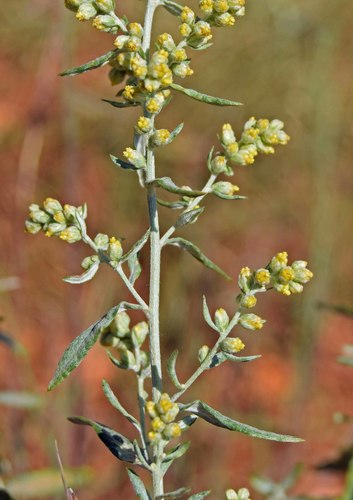
Echinacea purpurea
(L.) Moench
Echinacea, Coneflower
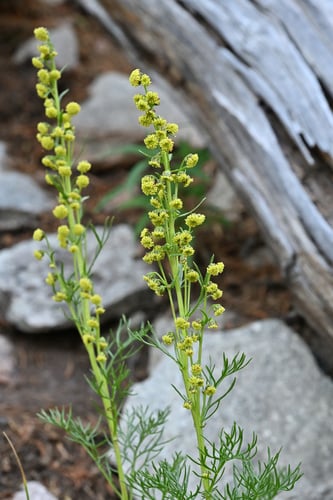
iNaturalist· cc-by-nc
(c) Isaac Krauss, some rights reserved (CC BY-NC), uploaded by Isaac Krauss
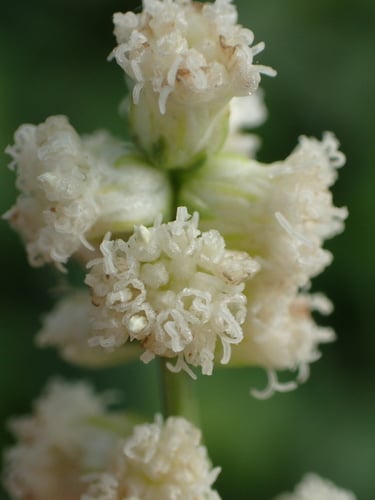
iNaturalist· cc-by-nc
(c) schiav96, some rights reserved (CC BY-NC)
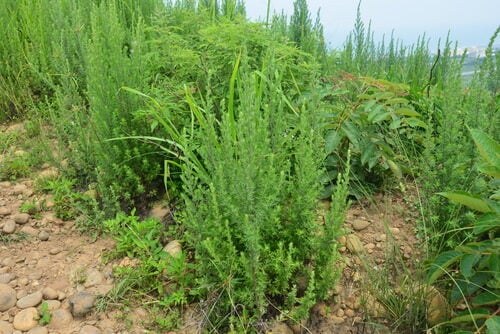
iNaturalist· cc-by
(c) Sandy Wolkenberg, some rights reserved (CC BY), uploaded by Sandy Wolkenberg
Summary
Source: WikipediaEchinacea purpurea, the eastern purple coneflower, purple coneflower, hedgehog coneflower, or Echinacea, is a North American species of flowering plant in the family Asteraceae. It is native to parts of eastern North America and present to some extent in the wild in much of the eastern, southeastern and midwestern United States, as well as in the Canadian Province of Ontario. It is most common in the Ozarks, the Mississippi Valley, and the Ohio Valley. Its habitats include dry open woods, prairies, and barrens.
Description
A perennial plant. It develops underground stems or rhizomes. It grows 90-120 cm high and 45-60 cm across. The leaves are bristly and dark green. The plant is coarse and the stems stout. The flower heads are large and form a cone. The purple-red ray florets are around this.
Edible Uses
The leaves are edible, though no further details are given.
Traditional Uses
The flowers are used to garnish bread. Caution: This plant should probably only be used in small amounts or for short periods.
This uses section is brief — help expand it
Medicinal Uses
Echinacea is considered the most effective detoxicant in Western herbal medicine for the circulatory, lymphatic, and respiratory systems, and its use has been adopted by Ayurvedic medicine. Plants in this genus were likely the most frequently used of North American Indian herbal remedies, with a wide range of applications, many confirmed by modern science. This species is the most easily cultivated of the genus and is widely used medicinally. It has a general stimulatory effect on the immune system, and in Germany over 200 pharmaceutical preparations are made from Echinacea. Recent research has demonstrated significant absorption of medicinally active ingredients from orally administered applications. The roots and whole plant are particularly valued for treating sores, wounds, and burns, showing cortisone-like and antibacterial activity. North American Indians used it as a universal treatment for bites and stings of all insects, and an infusion was also used for snakebites. The root is adaptogen, alterative, antiseptic, aphrodisiac, depurative, diaphoretic, digestive, and sialagogue. It is harvested in autumn and dried for later use. The German Commission E Monographs approve Echinacea for common cold, cough and bronchitis, fevers and cold, urinary tract infections, inflammation of the mouth and pharynx, increasing resistance to infection, and treating wounds and burns.
Distribution
It is a temperate plant. It is frost hardy. It needs rich, deep, well-drained soil. It should be neutral to alkaline. It can tolerate drought. Hobart Botanical Gardens. It suits hardiness zones 3-8.
Where It Grows
Asia, Australia, Canada, Central Asia, Europe, Korea, Lithuania, Myanmar, North America, SE Asia, Slovenia, Tajikistan, Tasmania, USA,
Cultivation
Plants are grown from ripe seed. Seed germinate best at a temperature of 20°C and germinate in 5-20 days. They can also be grown by root cuttings or division.
Propagation
Sow seed in March or April in a greenhouse, barely covering it. Diurnal temperature fluctuations aid germination. Seed usually germinates in 10–21 days at 25°c. Prick seedlings into individual pots once large enough to handle and grow on in the greenhouse for the first summer. Plant out in late spring or early summer of the following year with protection from slugs until established. Divide plants in spring or autumn; larger clumps can go directly into permanent positions, while smaller clumps are best potted up in a cold frame until rooting well before planting out in spring. Root cuttings can be taken in October in a frame.
Other Uses
Echinacea can be used as a pollinator plant, providing nectar and pollen that attract bees, butterflies, and other beneficial insects. Its seeds are eaten by birds and other wildlife, and the plant provides cover and habitat for beneficial insects. Leaf litter and stems offer overwintering sites and shelter for beneficial insects during winter months. The foliage is deer-resistant.
Notes
There are 9 Echinacea species. It is used in medicine.
Synonyms
Also Known As
Purple coneflower, škrlatni ameriški slamnik
References (14)
- Bodkin, F., 1991, Encyclopedia Botanica. Cornstalk publishing, p 371
- Bremness, L., 1994, Herbs. Collins Eyewitness Handbooks. Harper Collins. p 167
- Brown, D., 2002, The Royal Horticultural Society encyclopedia of Herbs and their uses. DK Books. p 197
- Hibbert, M., 2002, The Aussie Plant Finder 2002, Florilegium. p 90
- Jackes, D. A., Edible Forest Gardens
Show all 14 references Hide references
- Joyce, D., 1998, The Garden Plant Selector. Ryland, Peters and Small. p 224
- Kiple, K.F. & Ornelas, K.C., (eds), 2000, The Cambridge World History of Food. CUP p 1762
- Lim, T. K., Edible Medicinal and Non-Medicinal Plants Volume 7 Flowers
- MacKinnon, A., et al, 2009, Edible & Medicinal Plants of Canada. Lone Pine. p 350
- Marinelli, J. (Ed), 2004, Plant. DK. p 176
- Methodus 591. 1794
- Plants for a Future database, The Field, Penpol, Lostwithiel, Cornwall, PL22 0NG, UK. http://www.scs.leeds.ac.uk/pfaf/
- Wills, R. B. H., and Stuart, D. L., Alkylamide and cichoric acid levels in Echinacea purpurea grown in Australia. Food Chemistry 67:385-388
- www.ediblewildfood.com