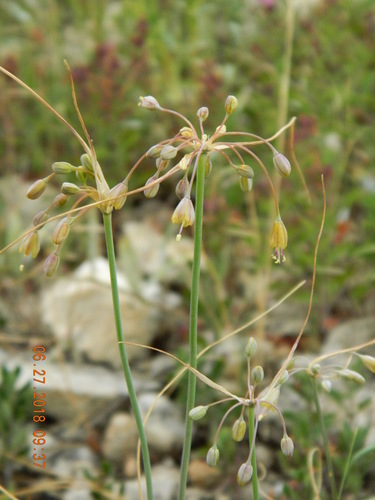
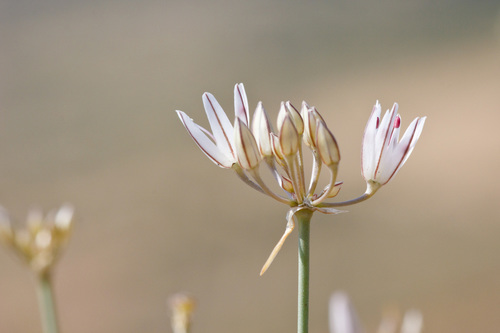
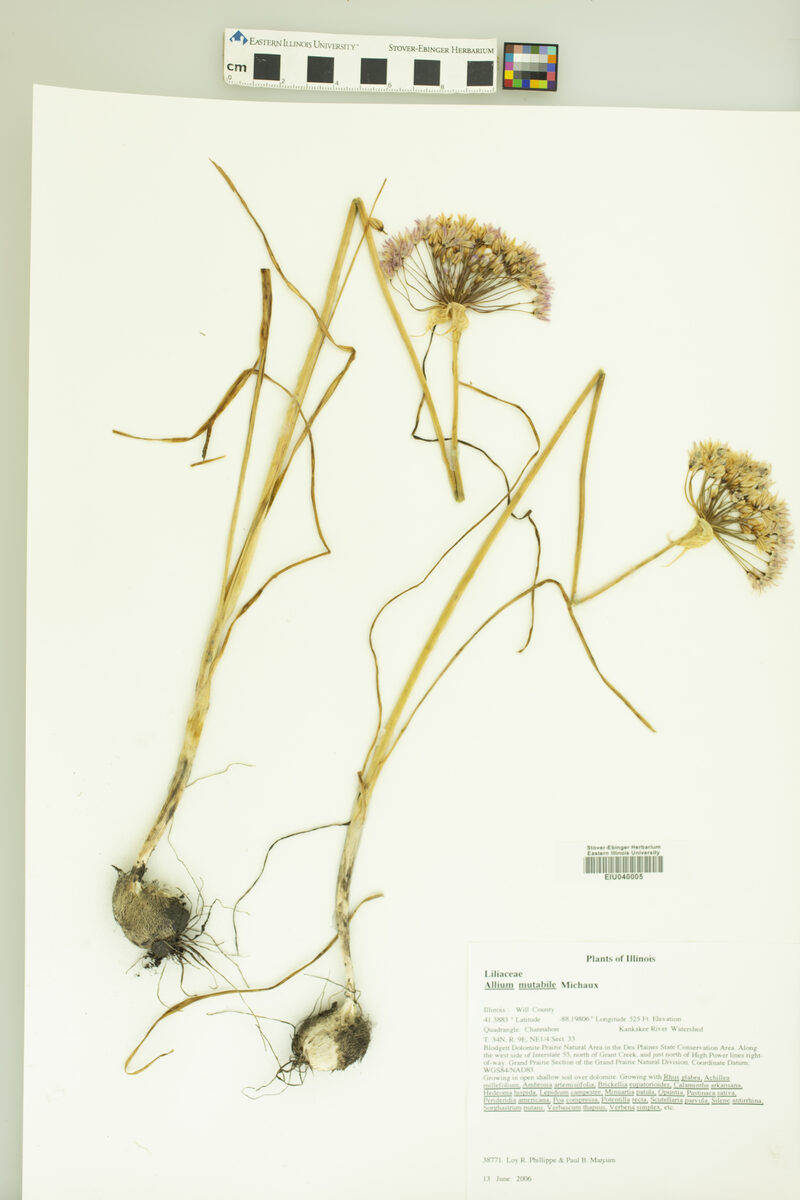
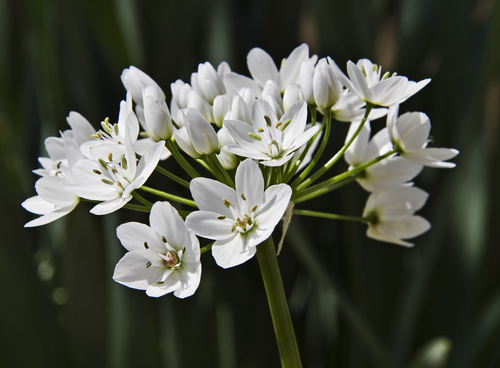
Agapanthus praecox var. minimus
(Lindl.) F. M. Leight.
African lily, Lily of the Nile
iNaturalist· cc-by-sa
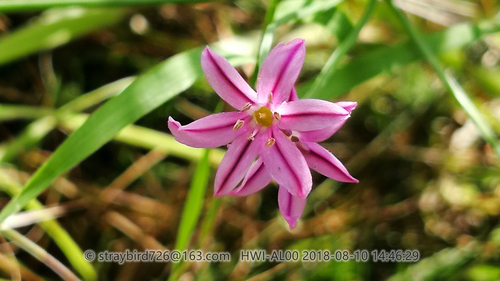
(c) C T Johansson, some rights reserved (CC BY-SA)
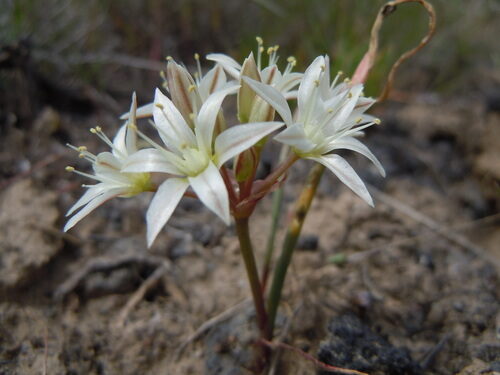
iNaturalist· cc-by-nc
(c) comalau, some rights reserved (CC BY-NC)
iNaturalist· cc-by-nc
(c) suecee, some rights reserved (CC BY-NC), uploaded by suecee
Summary
Source: WikipediaAgapanthus praecox (common agapanthus, blue lily, African lily, or lily of the Nile) is a popular garden plant around the world, especially in Mediterranean climates. It is native to the Kwa-Zulu Natal and Eastern Cape provinces of South Africa. Local names include agapant, bloulelie, isicakathi and ubani. Most of the cultivated plants of the genus Agapanthus are hybrids or cultivars of this species. It is divided into three subspecies: subsp.praecox, subsp. orientalis and subsp. minimus.
Description
A bulb plant. It grows up to 90 cm tall. It spreads to 60 cm wide. The leaves are strap like and stiff. They are 100-130 cm long. The flowers are trumpet shaped and blue to violet. They often have darker stripes. They occur in rounded heads of about 30 flowers.
Edible Uses
The root is cooked and eaten.
Traditional Uses
The root is cooked and eaten.
This uses section is brief — help expand it
Distribution
It does best in a dry porous soil with plenty of leaf mould. It needs plenty of moisture while growing but needs to be kept dry during winter. It only flowers in very sunny positions. It occurs naturally in South Africa. It suits hardiness zones 9-11.
Where It Grows
Africa, Australia, South Africa, Southern Africa, USA,
Cultivation
It can be grown from fresh seed. They germinate in 1-3 months at 18°C. Seedlings should be grown undisturbed for one year. Plants can be grown by dividing the offsets during the growing season.
Production
Seedlings take 2-3 years to flower.
Notes
There are about 10 Agapanthus species. Also put in the family family Agapanthaceae. There is only one genus in the Agapanthaceae family. They are all native to southern Africa.
Also Known As
Agapanto
References (6)
- Cundall, P., (ed.), 2004, Gardening Australia: flora: the gardener's bible. ABC Books. p 109
- Hussey, B.M.J., Keighery, G.J., Cousens, R.D., Dodd, J., Lloyd, S.G., 1997, Western Weeds. A guide to the weeds of Western Australia. Plant Protection Society of Western Australia. p 18
- Llamas, K.A., 2003, Tropical Flowering Plants. Timber Press. p 42
- Paczkowska, G. & Chapman, A.R., 2000, The Western Australian Flora. A Descriptive Catalogue. Western Australian Herbarium. p 29
- Plants for a Future database, The Field, Penpol, Lostwithiel, Cornwall, PL22 0NG, UK. http://www.scs.leeds.ac.uk/pfaf/
Show all 6 references Hide references
- Plowes, N. J. & Taylor, F. W., 1997, The Processing of Indigenous Fruits and other Wildfoods of Southern Africa. in Smartt, L. & Haq. (Eds) Domestication, Production and Utilization of New Crops. ICUC p 184