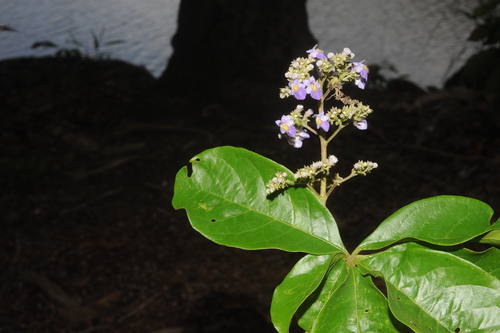
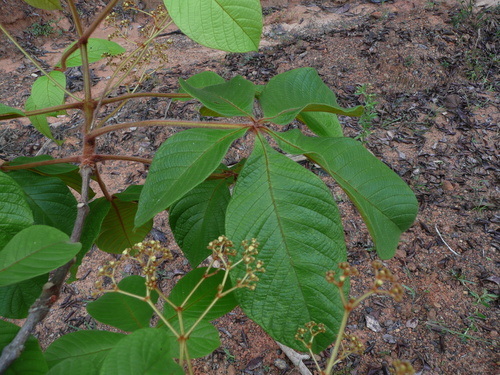
Meriandra dianthera
(Roth ex Roem. & Schult.) Briq.
Bengal sage
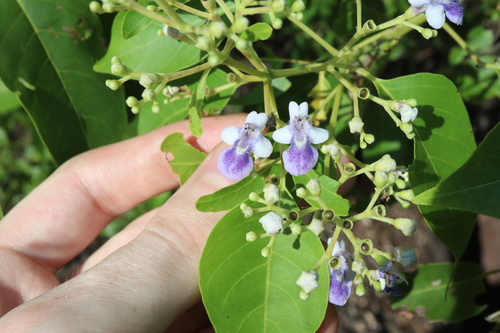
iNaturalist· cc-by
(c) nberhe, some rights reserved (CC BY)
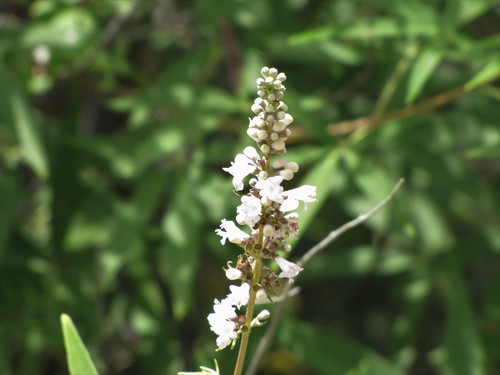
iNaturalist· cc-by
(c) nberhe, some rights reserved (CC BY)
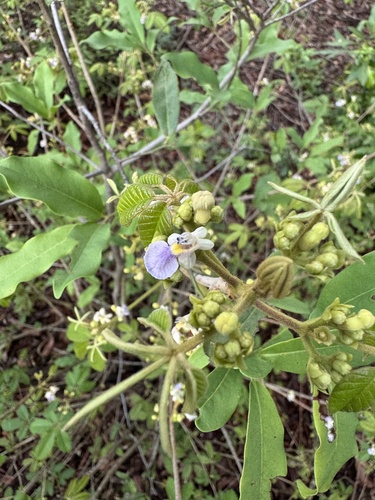
iNaturalist· cc-by
(c) nberhe, some rights reserved (CC BY)
Description
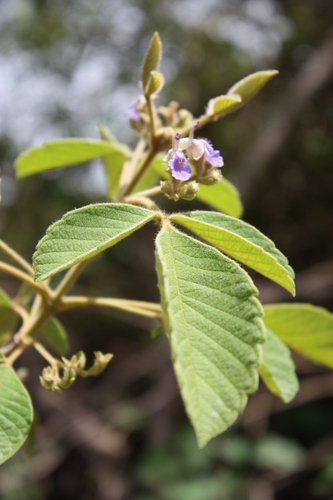
A herb or small shrub. It has an aroma like camphor. The stems are woody. The leaves are about 1 m above ground. The leaves are oval and 5-11 cm long by 1-3 cm wide.
Edible Uses
The leaves and flowers are used for flavouring and are edible.
Traditional Uses
The leaves are used for flavouring.
This uses section is brief — help expand it
Distribution
It is a subtropical plant.
Where It Grows
Africa, Asia, East Africa, Ethiopia, India, Middle East, Northeastern India, Pakistan, Saudi Arabia, Yemen,
Other Information
It is sold in local markets.
Notes
There are 2 Meriandra species.
Synonyms
Also Known As
Hadha toke, Kafurkapai, Kanghumaan, Nechilo, Sima-karpuramu
References (8)
- Ambasta, S.P. (Ed.), 2000, The Useful Plants of India. CSIR India. p 366
- Asfaw, Z. and Tadesse, M., 2001, Prospects for Sustainable Use and Development of Wild Food Plants in Ethiopia. Economic Botany, Vol. 55, No. 1, pp. 47-62
- Devi, O.S., P. Komor & D. Das, 2010, A checklist of traditional edible bio-resources from Ima markets of Imphal Valley, Manipur, India. Journal of Threatened Taxa 2(11): 1291-1296 (As Meriandra bengalensis)
- Feyssa, D. H., et al, 2011, Seasonal availability an consumption of wild edible plants in semiarid Ethiopia; Implications to food security and climate change adaptation. Journal of Horticulture and Forestry 3(5): 138-149 (As Meriandra bengalensis)
- Flora of Pakistan. www.eFloras.org
Show all 8 references Hide references
- Hedrick, U.P., 1919, (Ed.), Sturtevant's edible plants of the world. p 411
- INFOODSUpdatedFGU-list.xls
- Konsam, S., et al, 2016, Assessment of wild leafy vegetables traditionally consumed by the ethnic communities of Manipur, northeast India. Journal of Ethnobiology and Ethnomedicine, 12:9 (As Meriandra bengalensis)