Dovyalis abyssinica x Dovyalis hebecarpa
(A.Rich) Warb., (gardner) Warb.
Florida gooseberry, Tropical apricot, Florida apricot
iNaturalist· cc-by-nc
(c) David Torres, some rights reserved (CC BY-NC), uploaded by David Torres
iNaturalist· cc-by-nc-sa
(c) Giovanni Ramón, some rights reserved (CC BY-NC-SA), uploaded by Giovanni Ramón
iNaturalist· cc-by-nc-sa
(c) Giovanni Ramón, some rights reserved (CC BY-NC-SA), uploaded by Giovanni Ramón
Description
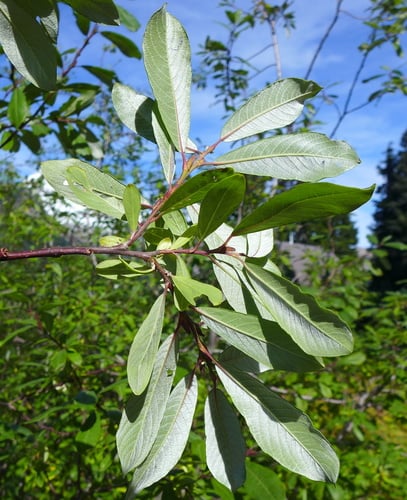
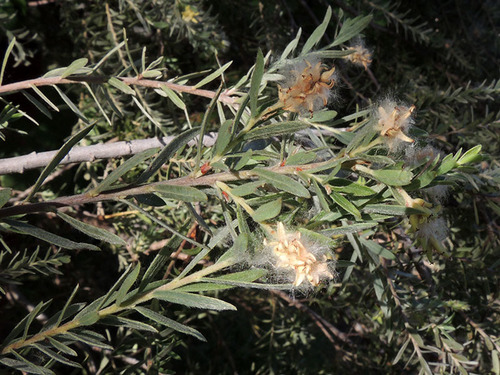
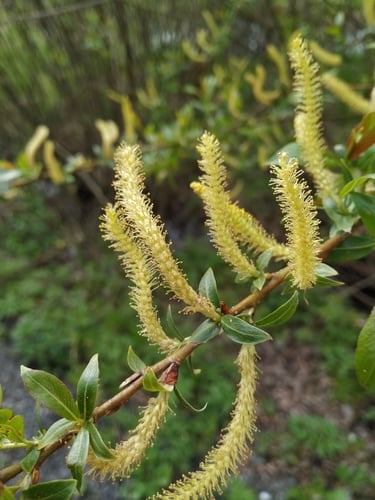
A natural hybrid between Diospyros abyssinica x Dovyalis hebecarpa. A large spreading shrub. It grows 7 m high. The branches are long and drooping. It has few thorns. The leaves are deep green and densely grouped together. They are 7.5-10 cm long. The flowers are greenish-yellow. They are small and have no petals. The male flowers have long yellow stamens. The fruit are round and 3 cm across. The flesh is yellow-orange to deep red.
Edible Uses
Fruit can be eaten fresh or used for jellies, jams, pies, and drinks.
Traditional Uses
Fruit can be eaten fresh. They are also used for jellies, jams, pies and drinks.
This uses section is brief — help expand it
Distribution
A tropical and subtropical plant. It grows best in full sun. It will grow near seasides. It can be damaged by strong frosts. They can grow on a range of soils with a range of pH values.
Where It Grows
Brazil, North America, South America, USA,
Cultivation
Plants grown from seed are very variable. Plants can be grown from hardwood cuttings and should be treated with rooting hormones. Plants can be grown by air-layering.
Production
Trees can grow quickly. Plants are self fertile. Trees fruit in 4-5 years when grown from seeds. They fruit in 2 years when grown from cuttings. Fruit mature in 30-40 days. Fruit are harvested when fully ripe and starting to soften. Fruit do not store well.
Other Information
It is cultivated.
Notes
There are about 22 Dovyalis species. Also put in the Flacourtiaceae family.
Also Known As
Groselha-hibrida
References (5)
- Lorenzi, H., Bacher, L., Lacerda, M. & Sartori, S., 2006, Brazilian Fruits & Cultivated Exotics. Sao Paulo, Instituto Plantarum de Estuados da Flora Ltda. p 603
- Lyle, S., 2006, Discovering fruit and nuts. Land Links. p 187
- Martin, F. W., et al, 1987, Perennial Edible Fruits of the Tropics. USDA Handbook 642 p 28
- Morton, J. F., 1987, Fruits of Warm Climates. Wipf & Stock Publishers p 313
- Wiersema, J. H. & Leon, B., 2013, World Economic Plants. A Standard Reference CRC Press. 2nd Ed. p 255