Salix alaxensis
(Andersson) Coville
Feltleaf wiillow, Alaska Willow
iNaturalist· cc-by
(c) Brandon Corder, some rights reserved (CC BY), uploaded by Brandon Corder
iNaturalist· cc-by-nc
(c) Margaret Krichbaum, some rights reserved (CC BY-NC)
Summary
Source: WikipediaSalix alaxensis is a species of flowering plant in the willow family known by the common names Alaska willow and feltleaf willow. It is native to northern North America, where it occurs throughout Alaska and northwestern Canada.
Description
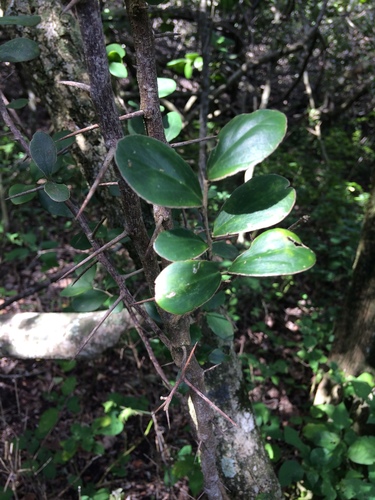
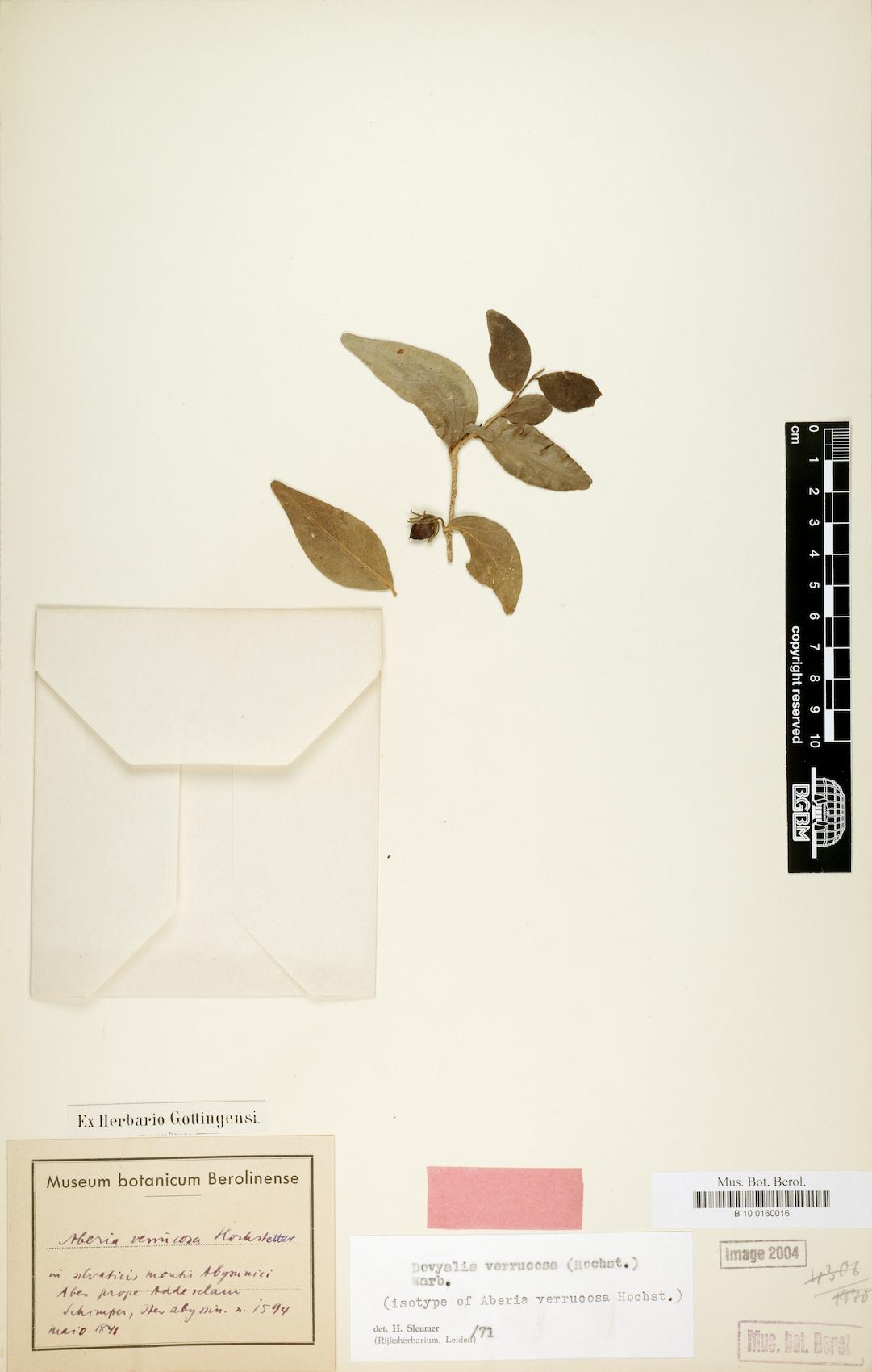
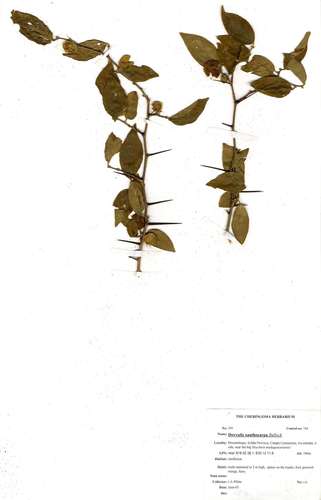
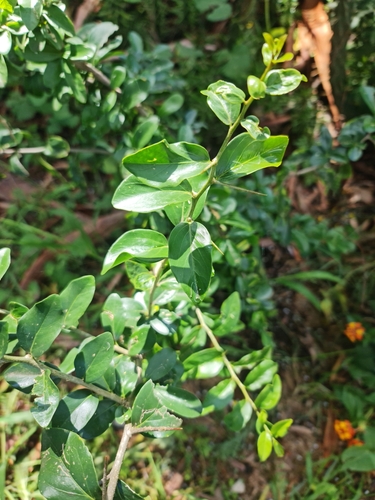
A tree. It grows up to 7 m high and the trunk is 18 cm thick. The leaves are large and can be narrow. They are dark green on the upper surface and woolly underneath. The twigs are also woolly. The flowers are in catkins.
Edible Uses
The inner bark is eaten raw or cooked and has a sweet flavour described as somewhat like watermelon or cucumber. It has been eaten as a winter titbit and used as a survival food. It can also be dried, ground into a powder, and used as a thickening in soups or added to cereal flour for making bread. Young tender leaves and shoots are eaten raw or cooked; the shoots are peeled before eating in spring. Both are a source of vitamin C. Children have sucked the flowers for their sweet nectar.
Traditional Uses
The sweet nectar of the flowers is sucked by children. The young leaf buds can be eaten. They are eaten raw with seal oil. The young stems have the bark removed and then are chewed. Occasionally the young leaves are eaten. They are also stored in seal oil for later use.
Medicinal Uses
The fresh bark contains salicin, which probably decomposes into salicylic acid — closely related to aspirin — in the human body, and is used as an anodyne and febrifuge. This applies to all members of this genus.
Distribution
it is a cold temperate plant. It grows along rivers.
Where It Grows
Alaska, Canada, Faroe Islands, North America, Russia, USA,
Propagation
Seed must be surface sown as soon as it is ripe in late spring, as viability is very short — perhaps only a few days. Cuttings of mature wood from the current year's growth can be taken November to February and placed in a sheltered outdoor bed or planted straight into their permanent position with a good weed-suppressing mulch; this method is very easy. Plant out into permanent positions in autumn. Cuttings of half-ripe wood taken June to August in a frame are also very easy.
Other Uses
In the northern parts of this plant's range, the wood is often the sole source of firewood. Dynamic accumulator.
Notes
There are about 300 Salix species.
Synonyms
Also Known As
Uqviaq, Uqvigpak, Uqvik
References (9)
- Ager, T. A. & Ager, L. P., 1980, Ethnobotany of the eskimos of Nelson Island, Alaska. Arctic Anthropology Vol 17. No. 1 pp 26-48
- Grandtner, M. M., 2008, World Dictionary of Trees. Wood and Forest Science Department. Laval University, Quebec, Qc Canada. (Internet database http://www.wdt.qc.ca)
- Heller, C. A., 1962, Wild Edible and Poisonous Plants of Alaska. Univ. of Alaska Extension Service. p 29
- Jernigan, K. (Ed.), et al, A Guide to the Ethnobotany of the Yukon-Kuskokwim Region. p 15
- Jones, A., 2010, Plants that we eat. University of Alaska Press. p 6
Show all 9 references Hide references
- Moerman, D. F., 2010, Native American Ethnobotany. Timber Press. p 500
- Plants for a Future database, The Field, Penpol, Lostwithiel, Cornwall, PL22 0NG, UK. http://www.scs.leeds.ac.uk/pfaf/
- Proc. Wash. Acad. Sci. 2:280. 1900
- Turner, N. J. et al, 2011, Edible and Tended Wild Plants, Traditional Ecological Knowledge and Agroecology. Critical Reviews in Plant Sciences, 30:198-225