Acacia pennata
(L.) Willd.
Cha-om
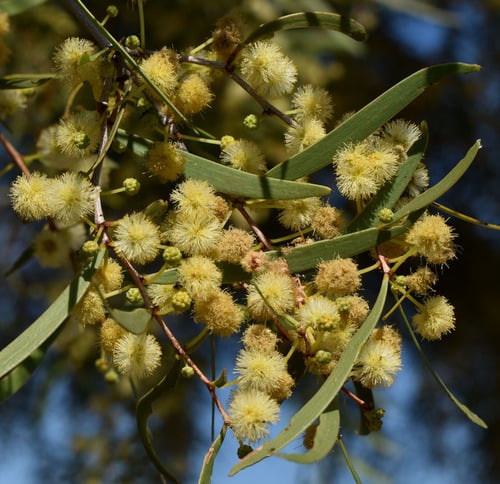
iNaturalist· cc-by-nc
(c) officerjames, some rights reserved (CC BY-NC)
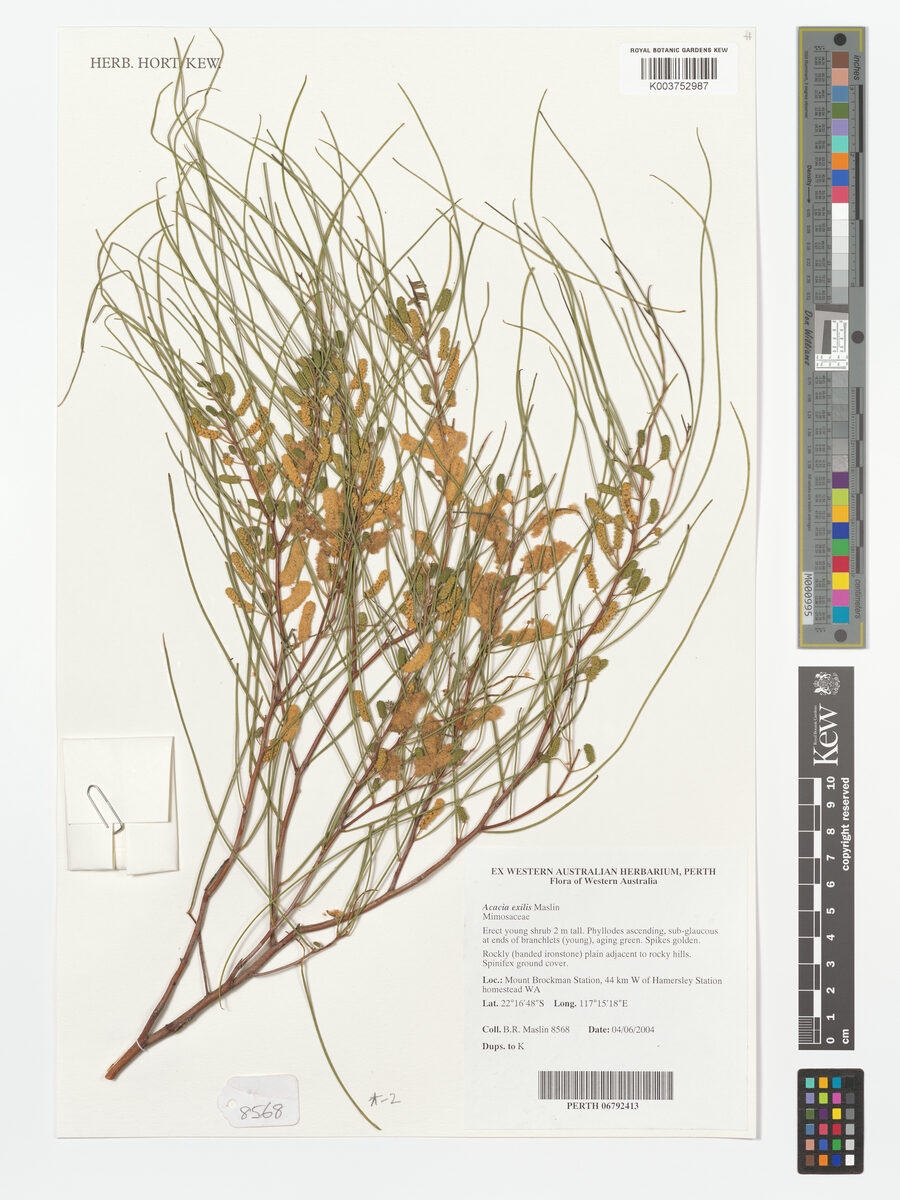
iNaturalist· cc-by-nc
(c) officerjames, some rights reserved (CC BY-NC)
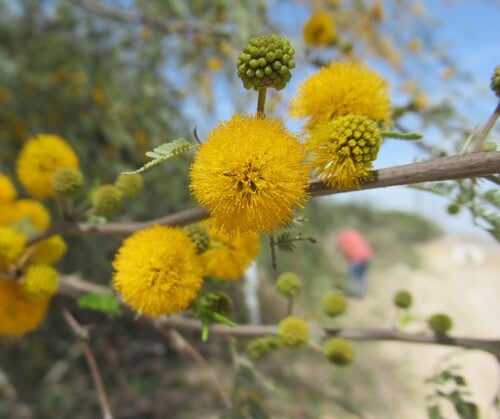
iNaturalist· cc-by-nc
(c) Shin-Ming Ku, some rights reserved (CC BY-NC)
Description
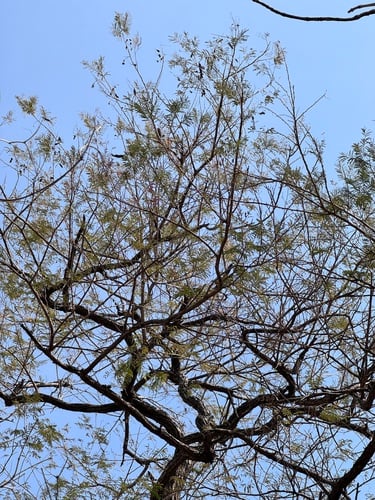
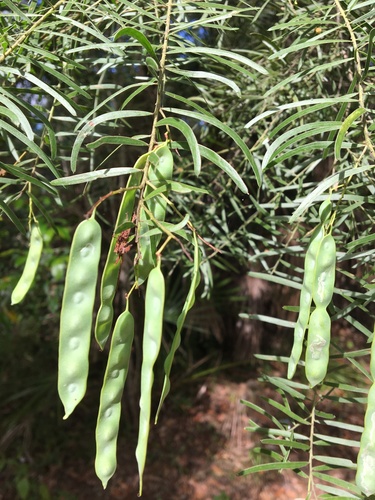
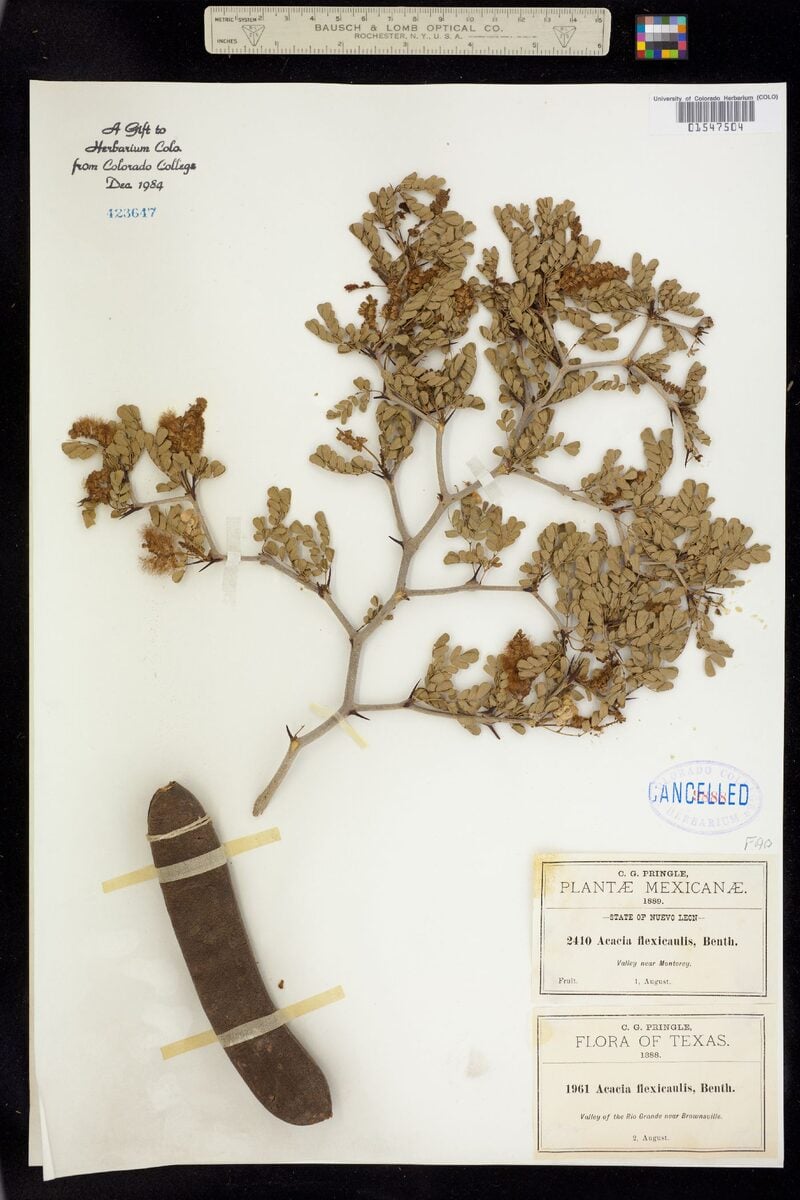
A shrub or small tree. It grows 5 m tall. There are prickles along the stem. The leaves are twice divided and there are 8-18 pairs of pinnae. There are up to 50 pairs of pinnules on each pinnae. The flowers are yellow. They are in large clusters at the ends of branches. The pods are flattened.
Edible Uses
The young leaves are cooked as a vegetable, used for flavouring, boiled with egg, and added to soups. The shoots, pods, and bark are also edible; the bark is chewed.
Traditional Uses
The young leaves are cooked as a vegetable. They are also used for flavouring. They are boiled with egg. They are used in soup. The bark is chewed.
Medicinal Uses
The leaves are used in medicine.
Known Hazards
It can be invasive.
Distribution
A tropical plant. It grows in moister places. In XTBG Yunnan.
Where It Grows
Africa, Andamans, Asia, Australia, Bangladesh, Bhutan, Cambodia, China, Himalayas, India, Indochina, Laos, Malaysia, Myanmar, Nepal, Northeastern India, Sahel, SE Asia, Sierra Leone, Sikkim, Sri Lanka, Thailand, Vietnam, West Africa,
Production
It is fast growing.
Other Information
Leaves are sold in local markets. It is a popular vegetable.
Notes
There are about 1,350 Acacia species. Over 1,000 occur in Australia. The leaves are used in medicine. Also as Mimosaceae. It can be invasive.
Nutrition
| Part | Moisture | kJ | kcal | Protein | Vit A | Vit C | Iron | Zinc |
|---|---|---|---|---|---|---|---|---|
| Leaves | 82.4 | 239 | 57 | 10.5 | 108 | 58 | 2.5 | 0.5 |
Synonyms
Also Known As
Aila, Akar chuis, Akar kepah, Arari, Aroi garut, Cha om, Chili, Hai, Hpak-ha-awn, Ktaura, Kamo, Kareencha, Khangkhu, Khang muk, Khembra, Mchoo som bour, Miao tei, Nam ke ret, Nam-ki-ret, Pa ge da, Pala, Phak kan kong, Phak kha, Poswiidaw, Rigot, Seengai, Seenga keerai, Shembi, Singaya akulu, Suboke-gyi, Suji, Suyit, Tao pu, Thembra, Tuo bo ji niu, Tuopou-weiniu
References (28)
- Awasthi, A.K., 1991, Ethnobotanical studies of the Negrito Islanders of Andaman Islands, India - The Great Andamanese. Economic Botany 45(2) pp274-280.
- Burkill, I.H., 1966, A Dictionary of the Economic Products of the Malay Peninsula. Ministry of Agriculture and Cooperatives, Kuala Lumpur, Malaysia. Vol 1 (A-H) p
- Cao, Y., et al, 2020, Ethnobotanical study on wild edible plants used by three trans-boundary ethnic groups in Jiangcheng County, Pu’er, Southwest China. Journal of Ethnobiology and Ethnomedicine (2020) 16:66
- Fu, Y., et al, 2003, Relocating Plants from Swidden Fallows to Gardens in Southwestern China. Economic Botany 57(3): 389-402
- Ghorbani, A., et al, 2012, A comparison of the wild food plant use knowledge of ethnic minorities in Naban River Watershed Nature Reserve, Yunnan, SW China. Journal of Ethnobiology and Ethnomedicine; 8:17
Show all 28 references Hide references
- Ghosh, A, 2014, Survey of Ethno-medicinal Climbing plants in Andaman and Nicobar Islands, India. Int. J. of Pharm. Life Sci. 5(7): July, 2014:3671-3677
- Guite, C., 2016, Study of wild edible plants associated with the Paite Tribe of Manipur, India. International Journal of Current Research. Vol. 8, Issue 11, pp. 40927-40932
- Johnson, N., 2002, Environmental Change in northern Thailand: Impact on Wild Edible Plant Availability. Ecology of Food and Nutrition, 41: 5, 373-399
- Kar, A., et al, 2013, Wild Edible Plant Resources used by the Mizos of Mizoram, India. Kathmandu University Journal of Science, Engineering and Technology. Vol. 9, No. 1, July, 2013, 106-126
- Karthi, Sathya, & Salome, 2014, Uncultivated Edible Greens from Small Millet Farms Tamil Nadu India. IDRC
- Luczaj, L., et al, 2021, Wild food plants and fungi sold in the markets of Luang Prabang, Lao PDR. Journal of Ethnobiology and Ethnomedicine (2021) 17:6
- Luo, B., et al, 2019, Wild edible plants collected by Hani from terraced rice paddy agroecosystem in Honghe Prefecture, Yunnan, China. Journal of Ethnobiology and Ethnomedicine 15:56
- Manandhar, N.P., 2002, Plants and People of Nepal. Timber Press. Portland, Oregon. p 67
- Maydell, H. von, 1990, Trees and shrubs of the Sahel: their characteristics and uses. Margraf. p 129
- McMakin, P.D., 2000, Flowering Plants of Thailand. A Field Guide. White Lotus. p 51
- Medhi, P. & Borthakur, S. K., 2012, Phytoresources from North Cachur Hills of Assam -3: Edible plants sold at Hflong market. Indian Journal or Natural Products and Resources. 3(1) pp 84-109 (As pinnata ?)
- Mishra, S. & Chaudhury, S. S., 2012, Ethnobotanical flora used by four major tribes of Koraput, Odisha, India. Genetic Resources Crop Evolution 59:793-804
- Nakahara, K. et al, 2002, Antimutagenicity of Some Edible Thai Plants, and a Biocative Carbazole Alkaloid, Mahanine, Isolated from Micromelum minutum. Journal of Agricultural and Food Chemistry. 50: 4796-4892
- Pham-Hoang Ho, 1999, An Illustrated Flora of Vietnam. Nha Xuat Ban Tre. p 826
- Phangchopi, U., et al, 2015, Diversity of wild edible plants in Marat Longri Wildlife Sanctuary, Assam. Indian Journal of Natural Products and Resources Vol. 6(4), December 2015 pp. 305-313
- Phatlamphu, N., et al, 2021, Ethnobotany of edible plants in Muang District, Kalasin Province, Thailand, Biodiversitas Vol. 22, No. 12 pp 5432-5444
- Rao, M. L. S., et al, 2014, Indigenous Plant Foods which are commonly consumed by the tribal communities in Dumbriguda Area of Visakhapatnam District, Andhra Pradesh, India. Biolife. Vol 2, Issue 3
- Rasingam, L., 2012, Ethnobotanical studies on the wild edible plants of Irula tribes of Pillur Valley, Coimbatore district, Tamil Nadu, India. Asian Pacific Journal of Tropical Biomedicine. (2012) S1493-S1497
- Siemonsma, J. S. & Kasem Piluek, eds. 1993. Vegetables. In: Plant Resources of South-East Asia (PROSEA) 8:311
- Sp. pl. 4(2):1090. 1806
- Teron, R. & Borthakur, S. K., 2016, Edible Medicines: An Exploration of Medicinal Plants in Dietary Practices of Karbi Tribal Population of Assam, Northeast India. In Mondal, N. & Sen, J.(Ed.) Nutrition and Health among tribal populations of India. p 153
- Turreira Garcia, N., et al, 2017, Ethnobotanical knowledgeof the Kuy and Khmer people in Prey Lang, Cambodia. Cambodian Journal of Natural History 2017 (1): 76-101
- Xu, You-Kai, et al, 2004, Wild Vegetable Resources and Market Survey in Xishuangbanna, Southwest China. Economic Botany. 58(4): 647-667.