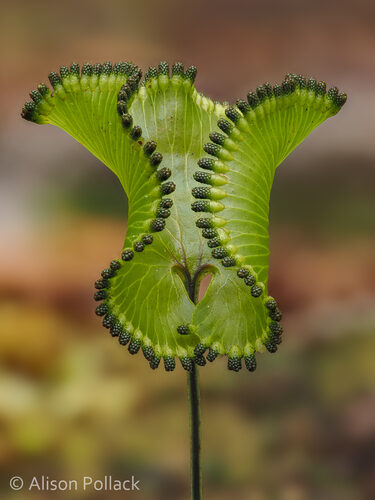
Allantodia aspera
(Blume) Ching
Rang Songquan, Lingur
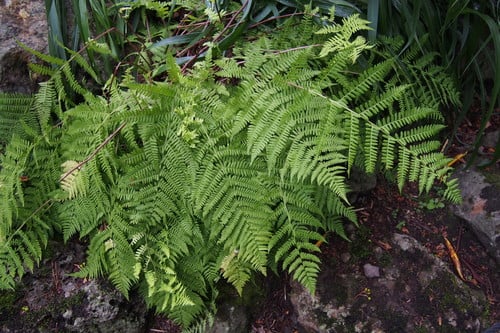
iNaturalist· cc-by-nc
(c) liangfern, some rights reserved (CC BY-NC)
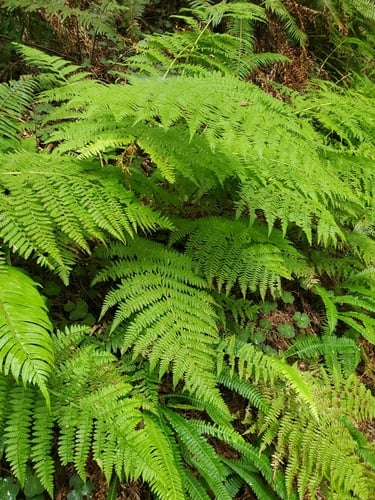
iNaturalist· cc-by-nc
(c) liangfern, some rights reserved (CC BY-NC)
iNaturalist· cc-by-nc
(c) liangfern, some rights reserved (CC BY-NC)
Description
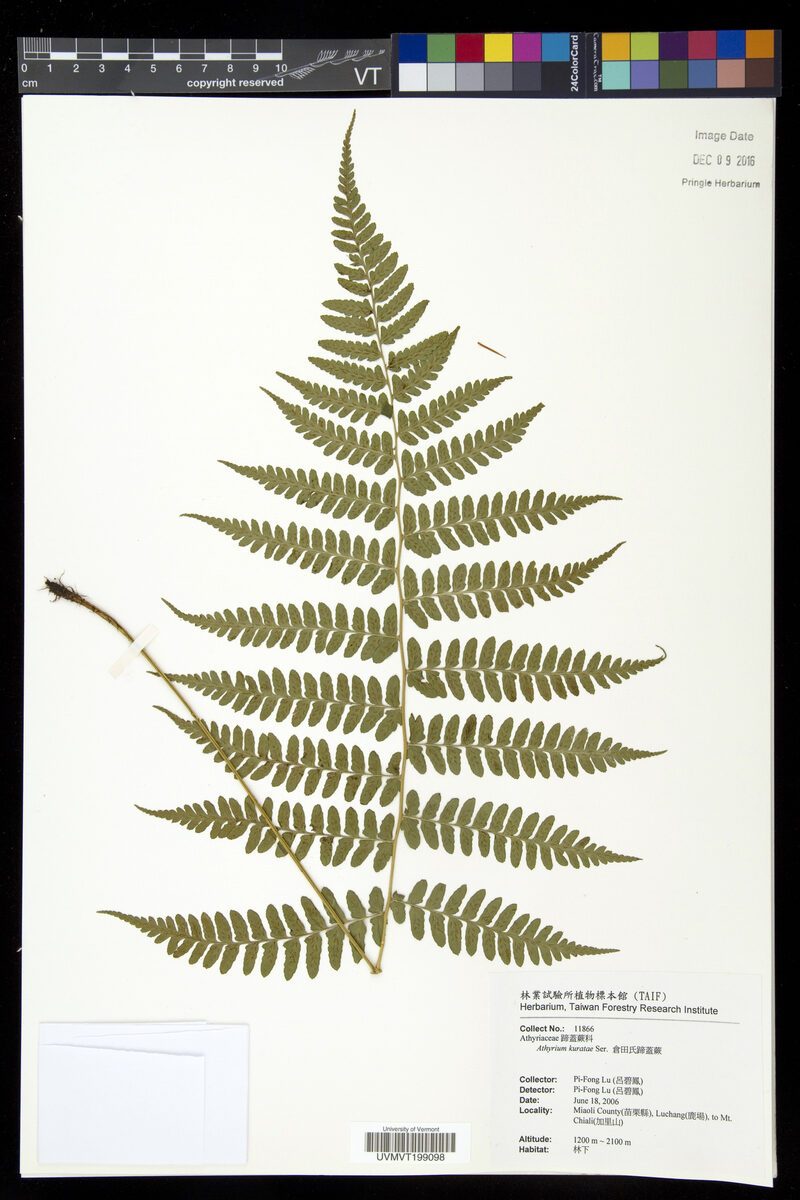
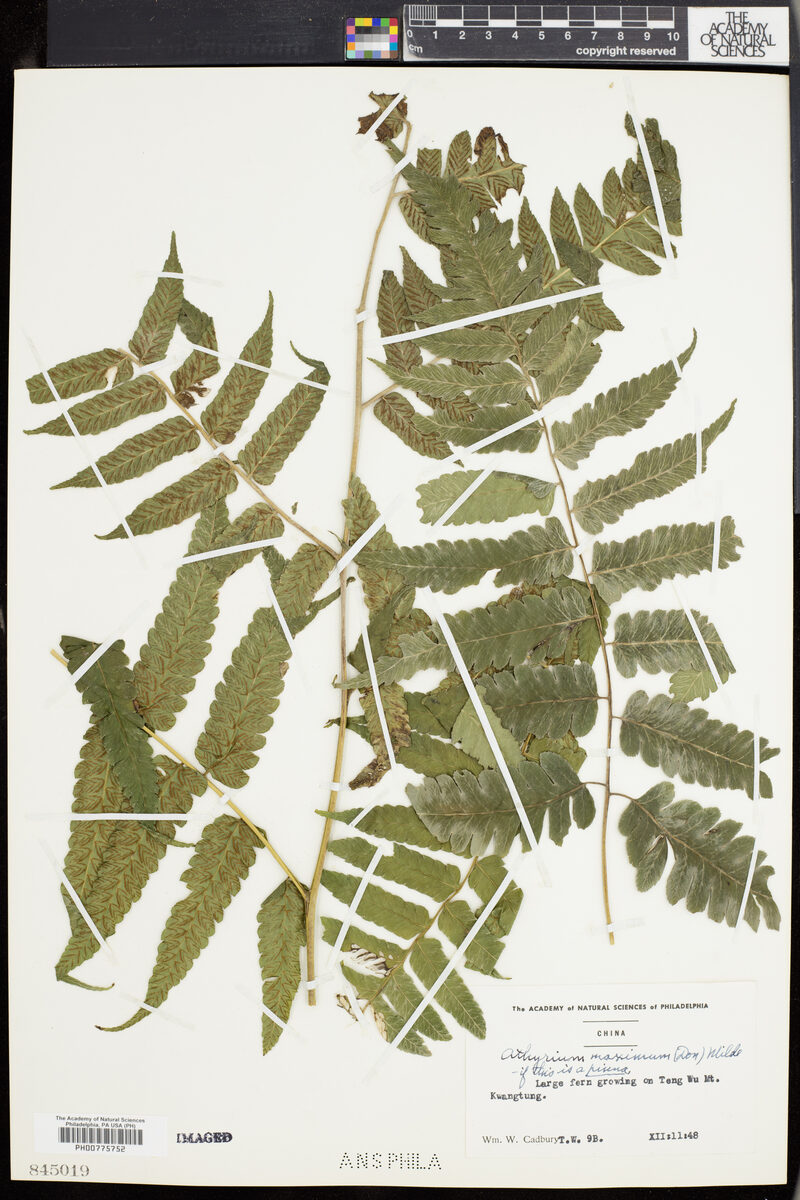
A large fern. The rhizome creeps widely. There are brown scales at the tip. It has spines along the stalk. The fronds are 1.5 m long. They are twice divided. The frond blade is 90 cm long by 50 cm wide.
Edible Uses
Young curled fronds are used as a vegetable, traditionally cooked with dry fish. Fronds are sold in markets.
Traditional Uses
The young curled fronds are used as a vegetable. They are cooked with dry fish.
This uses section is brief — help expand it
Known Hazards
Although we have found no reports of toxicity for this species, a number of ferns contain carcinogens so some caution is advisable. Many ferns also contain thiaminase, an enzyme that robs the body of its vitamin B complex. In small quantities this enzyme will do no harm to people eating an adequate diet that is rich in vitamin B, though large quantities can cause severe health problems. The enzyme is destroyed by heat or thorough drying, so cooking the plant will remove the thiaminase.
Distribution
A tropical plant. It grows along water channels. It grows up to 2200 m altitude.
Where It Grows
Asia, Australia, Bangladesh, China, Himalayas, India, Indochina, Indonesia, Malaysia, Northeastern India, Pakistan, Philippines, SE Asia, Sri Lanka, Taiwan, Thailand, Vietnam,
Other Information
The fronds are sold in markets.
Notes
There are about 300-600 Diplazium species. They have also been put in the families Aspleniaceae and Woodsiaceae.
Synonyms
Also Known As
Dheki shak, Muikhun chak, Mukhaindebusa
References (8)
- Delos Angeles, M. D., & Buot Jr., I. E., 2012, Orders and Families of Philippine Pteridophytes. Journal of Nature Studies 11 (1 & 2): 19-33 (As Diplazium polypodioides)
- Enum. pl. Javae 194. 1828 (As Diplazium polypodioides)
- Gul, A., et al, 2016, Traditional, medicinal and food uses of Pteridophytes of district Mansehra (Pakistan) and their some adjacent areas. International Journal of Biosciences Vol. 9, No. 5 p. 116-133 (As Diplazium polypodioides)
- Hossain, U. & Rahman, A., 2018, Study and quantitative analysis of wild vegetable floral diversity available in Barisal district, Bangladesh. Asian J. Med. Biol. Res. 2018, 4 (4), 362-371 (As Diplazium polypodioides)
- Pande, P.C. & Pangtey, Y.P.S., 1987, Studies on Ethnobotany - 1. on some less known edible and economic ferns of Kumaun Region of Western Himalaya. J. Econ. Tax. Bot. Vol 11 No.1 pp 81-85 (As Diplazium polypodioides)
Show all 8 references Hide references
- Pham-Hoang Ho, 1999, An Illustrated Flora of Vietnam. Nha Xuat Ban Tre. p 169 (As Diplazium polypodioides)
- Sarker, S. K., & Enayet Hossain, A. B. M., 2009, Pteridophytes of Greater Mymensingh District of Bangladesh used as Vegetables and Medicines. Bangladesh J. Plant Taxon. 16(1) 47-56. p 52 (As Diplazium polypodioides)
- USDA, ARS, National Genetic Resources Program. Germplasm Resources Information Network - (GRIN). [Online Database] National Germplasm Resources Laboratory, Beltsville, Maryland. Available: www.ars-grin.gov/cgi-bin/npgs/html/econ.pl (10 April 2000) (As Diplazium polypodioides)