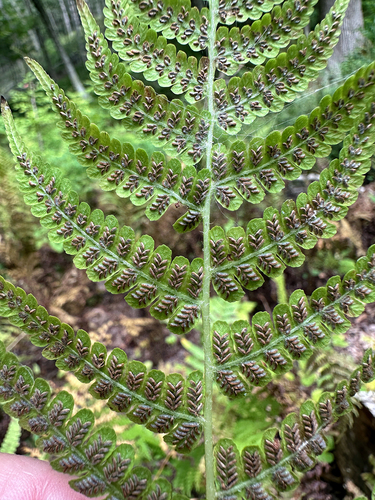
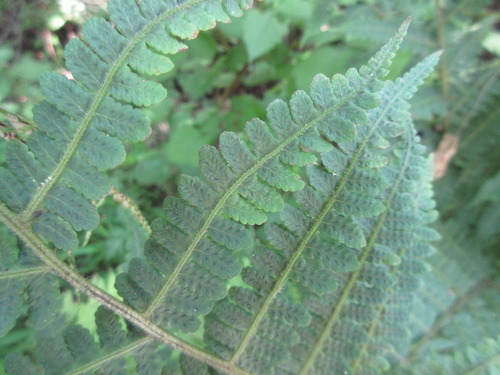
Diplazium dilatatum
Blume
iNaturalist· cc-by-nc-sa
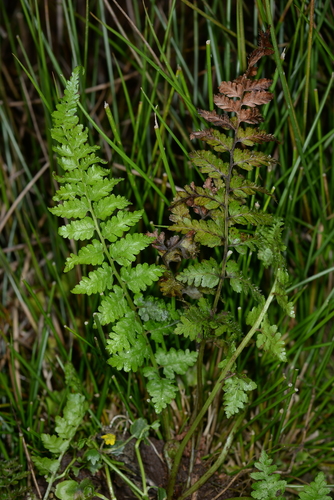
(c) 杜鵑花, some rights reserved (CC BY-NC-SA), uploaded by 杜鵑花
iNaturalist· cc-by-nc
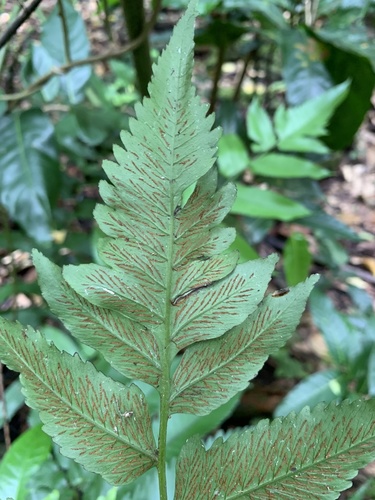
(c) yisiou, some rights reserved (CC BY-NC)
Summary
Source: WikipediaDiplazium dilatatum is a small fern occurring in India, Indochina, Malesia and Australia as far south as Wauchope, New South Wales. The habitat is moist shaded areas. The type specimen was collected from Burangrang mountain in Java.
Description
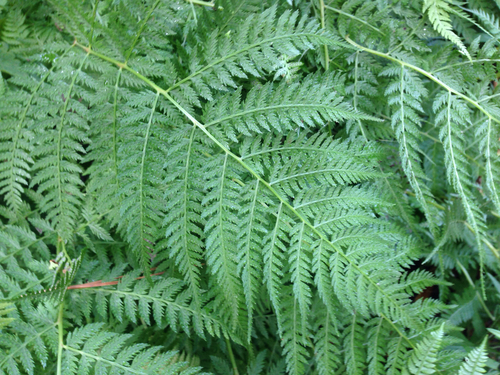
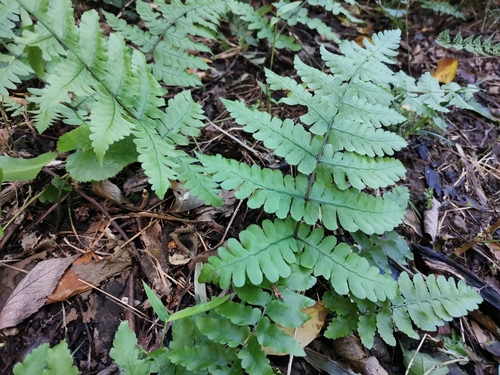
A fern. It varies. It can have an erect trunk 50 cm tall and 10 cm across. This is covered with brown scales. The fronds are almost erect and up to 1.2 m long. The stalk (stipe) is stout and fleshy. It is dark towards the base.
Edible Uses
The fronds and leaves are boiled or stir-fried.
Traditional Uses
The leaves or fronds are boiled or stir-fried.
This uses section is brief — help expand it
Distribution
It is a tropical plant. It grows in mountain regions between 100-1,900 m above sea level.
Where It Grows
American Samoa, Asia, Australia, China, Himalayas, India, Indochina, Indonesia, Japan, Laos, Malaysia, Myanmar, Nepal, Pacific, Papua New Guinea, PNG, Philippines, SE Asia, Taiwan, Thailand, Vietnam,
Notes
They have also been put in the families Aspleniaceae and Athyriaceae.
Nutrition
| Part | Moisture | kJ | kcal | Protein | Vit A | Vit C | Iron | Zinc |
|---|---|---|---|---|---|---|---|---|
| Leaves | 87.4 | — | — | — | 6.1 | 21.3 | 10.6 | 0.1 |
Synonyms
Also Known As
Lian bian, Wem
References (5)
- Cheng, Z., et al, 2022, Ethnobotanical study on wild edible plants used by Dulong people in northwestern Yunnan, China. Journal of Ethnobiology and Ethnomedicine (2022) 18:3
- Chettri, S., et al, 2018, Nutrient and Elemental Composition of Wild Edible Ferns of the Himalaya. American Fern Journal 108(3):95–106
- Kuo, W. H. J., (Ed.) Taiwan's Ethnobotanical Database (1900-2000), http://tk.agron.ntu.edu.tw/ethnobot/DB1.htm
- Sillitoe, P. 1995, An Ethnobotanical Account of the Plant Resources of the Wola Region, Southern Highlands Province, Papua New Guinea. J. Ethnobiol. 15(2): 201-235
- www.eFloras.org Flora of China