Acacia cambagei
R.T. Baker
Gidgee, Stinking Wattle
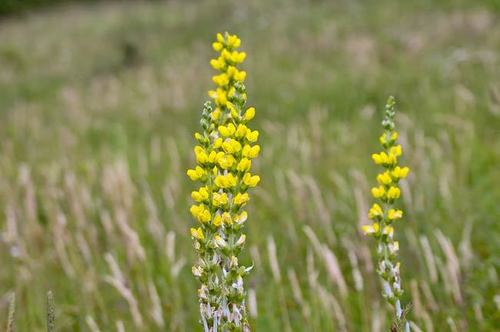
iNaturalist· cc-by-nc
(c) Tony Bean, some rights reserved (CC BY-NC), uploaded by Tony Bean
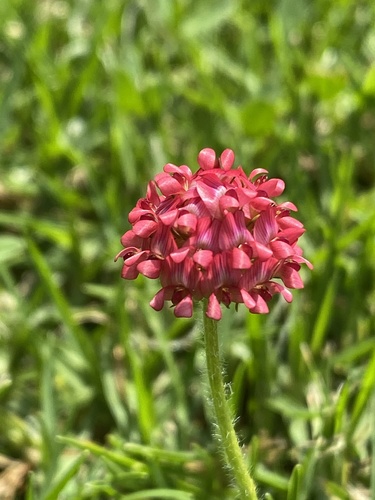
iNaturalist· cc-by-sa
(c) Greg Tasney, some rights reserved (CC BY-SA), uploaded by Greg Tasney
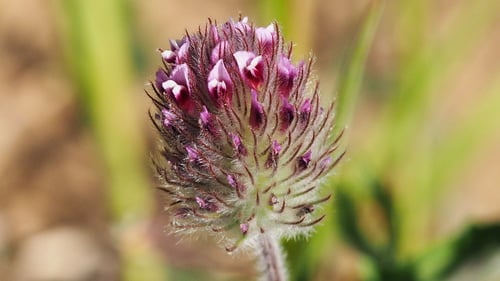
iNaturalist· cc-by-nc
(c) Marja Bouman, some rights reserved (CC BY-NC), uploaded by Marja Bouman
Summary
Source: WikipediaAcacia cambagei, commonly known as gidgee, gidyea, gidya, gidgea or stinking wattle is a species of flowering plant in the family Fabaceae and is endemic to north-eastern Australia. It is a spreading, foul-smelling tree with narrowly elliptic to linear phyllodes, spherical heads of golden yellow flowers, and narrowly oblong, papery pods up to 130 mm (5.1 in) long.
Description
A shrub or small tree. It grows 5 m tall. There are prickles along the stem. The leaves are twice divided and there are 8-18 pairs of pinnae. There are up to 50 pairs of pinnules on each pinnae. The flowers are yellow. They are in large clusters at the ends of branches. The pods are flattened.
Edible Uses
The gum is eaten.
Traditional Uses
The gum is eaten.
This uses section is brief — help expand it
Medicinal Uses
The bark of all Acacia species contains greater or lesser quantities of tannins and are astringent. Astringents are often used medicinally - taken internally, for example. they are used in the treatment of diarrhoea and dysentery, and can also be helpful in cases of internal bleeding. Applied externally, often as a wash, they are used to treat wounds and other skin problems, haemorrhoids, perspiring feet, some eye problems, as a mouth wash etc. Many Acacia trees also yield greater or lesser quantities of a gum from the trunk and stems. This is sometimes taken internally in the treatment of diarrhoea and haemorrhoids.
Known Hazards
Especially in times of drought, many Acacia species can concentrate high levels of the toxin Hydrogen cyanide in their foliage, making them dangerous for herbivores to eat.
Distribution
It is a tropical plant. It grows in northern Australia. It suits medium to heavy soils. It requires an open sunny position. It can withstand wind, drought and frost. It is mostly in areas with a rainfall from 50 to 65 mm mostly in summer with long droughts in between.
Where It Grows
Australia*,
Cultivation
It is grown from seed. The seed needs to be treated to break the hard seed coat. Normally this is by putting the seeds in very hot water and letting the water cool down overnight then planting the seeds immediately.
Propagation
Unlike most acacias, the seeds of this species have a thin seedcoat and will usually germinate without pretreatment. The use of boiling water to hasten germination can be harmful. Acacia seeds that have matured fully on the bush and have been properly dried have a hard seed coat and can be stored in closed containers without deterioration for 5 - 10 years or more in dry conditions at ambient temperatures. It is best to remove the aril, which attracts weevils and can lead to moulds forming. The arils are easilyremoved by placing the seeds in water and rubbing them between the hands, then drying the seeds and winnowing them.
Other Uses
The heartwood is a dark reddish-brown to almost black; it is clearly demarcated from the pale yellow sapwood. The wood is hard, very heavy, close-grained, often interlocked, and is both durable and termite-resistant. It has been widely used for fence posts. The wood makes an excellent fuel and a good charcoal. It burns with intense heat whether it is green or dry, and if burnt alone the heat may buckle firebars. The ash content is high, in the range 6 - 8% in charcoal. The tree can provide shade and shelter. The plant has sometimes been used in rehabilitation projects on mine waste sites. The flowers are a useful source of pollen for bees.
Production
Flowers occur between May and October and pods are mature from August to October.
Notes
There are about 1,350 Acacia species. Over 1,000 occur in Australia. Also as Mimosaceae.
Also Known As
Bitter gum
References (13)
- Bodkin, F., 1991, Encyclopedia Botanica. Cornstalk publishing, p 12
- Boomsma, C.D., 1972, Native Tree of South Australia. Woods & Forests Department South Australia, Bulletin No.19. p 34
- Cherikoff V. & Isaacs, J., The Bush Food Handbook. How to gather, grow, process and cook Australian Wild Foods. Ti Tree Press, Australia p 188
- Doran, J.C., & Turnbull, J.W. (Eds), 1997, Australian Trees and Shrubs: species for land rehabilitation and farm plantings in the tropics. ACIAR Monograph No 24. p 122
- Elliot, W.R., & Jones, D.L., 1982, Encyclopedia of Australian Plants suitable for cultivation. Vol 2. Lothian. p 28
Show all 13 references Hide references
- Hall, N. et al, 1972, The Use of Trees and Shrubs in the Dry Country of Australia, AGPS, Canberra. p 344
- Holliday, I., 1989, A Field Guide to Australian Trees. Hamlyn. p 14
- Irvine,
- Lazarides, M. & Hince, B., 1993, Handbook of Economic Plants of Australia, CSIRO. p 2
- Milson. J., 2000, Trees and Shrubs of north-west Queensland. DPI p 114
- Proc. Linn. Soc. New South Wales 25:661. 1900
- Townsend, K., 1999, Field Guide to Plants of the Dry Tropics. Society for Growing Australian Plants, Townsville Branch Inc. p 10
- World Checklist of Useful Plant Species 2020. Royal Botanic Gardens, Kew