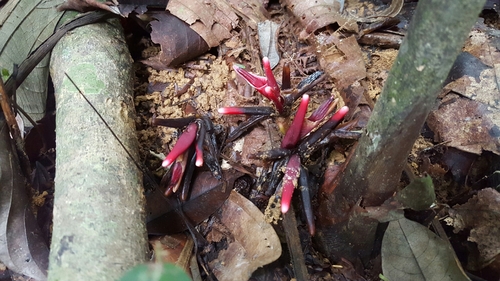
Aframomum daniellii
(Hook.f.) K. Schum
Cameroon's cardamom
iNaturalist· cc-by-nc
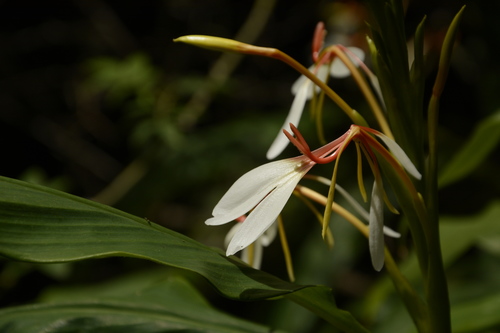
(c) Fundación Tierra Ibérica, some rights reserved (CC BY-NC), uploaded by Fundación Tierra Ibérica
iNaturalist· cc-by-nc
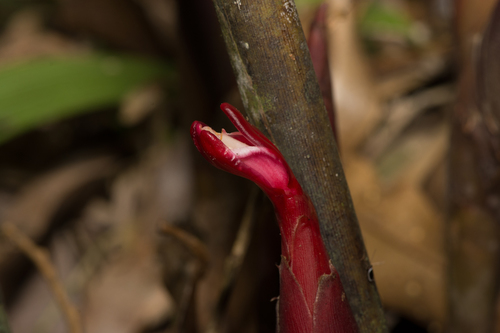
(c) Sandrine Gallois, some rights reserved (CC BY-NC)
Summary
Source: WikipediaAframomum daniellii, also known as African cardamom, is a species of flowering plant in the ginger family, Zingiberaceae. It was first described by Joseph Dalton Hooker, and got its current name from Karl Moritz Schumann.
Description
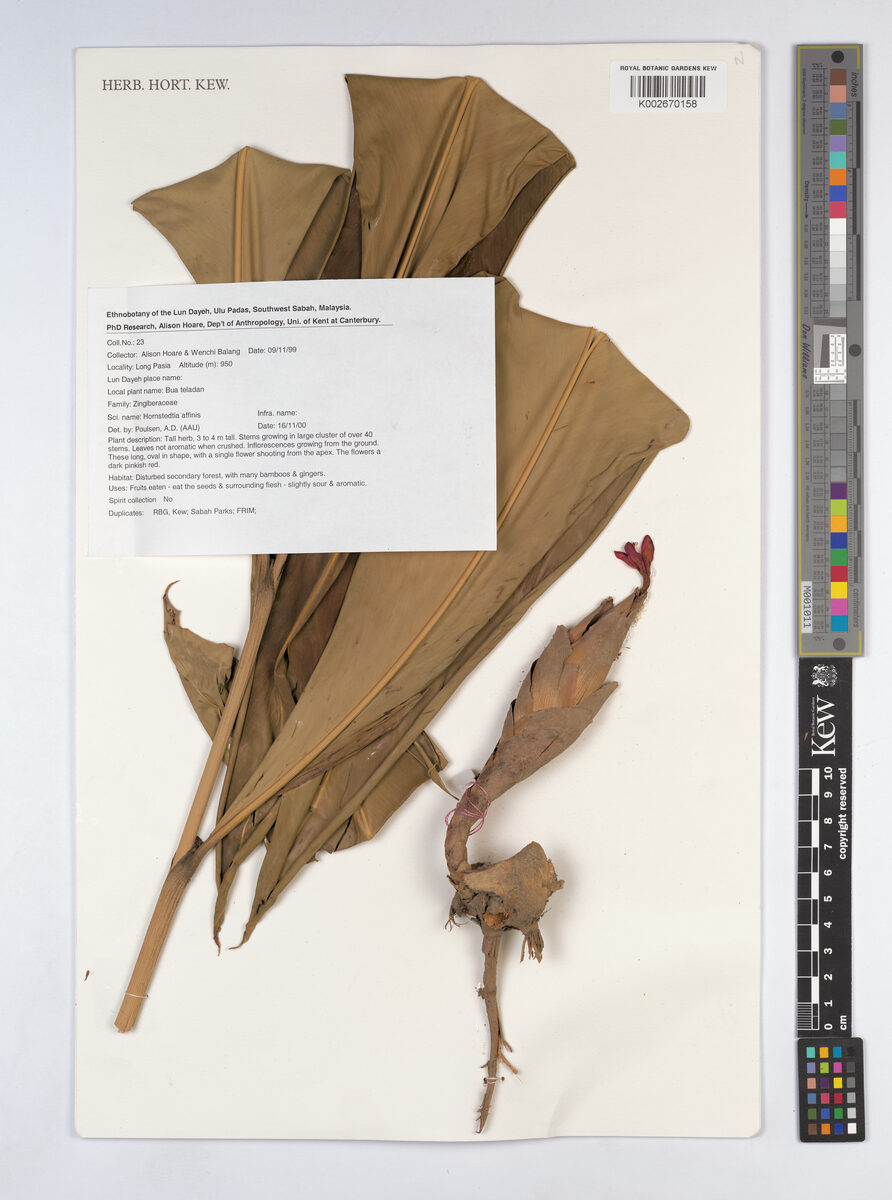
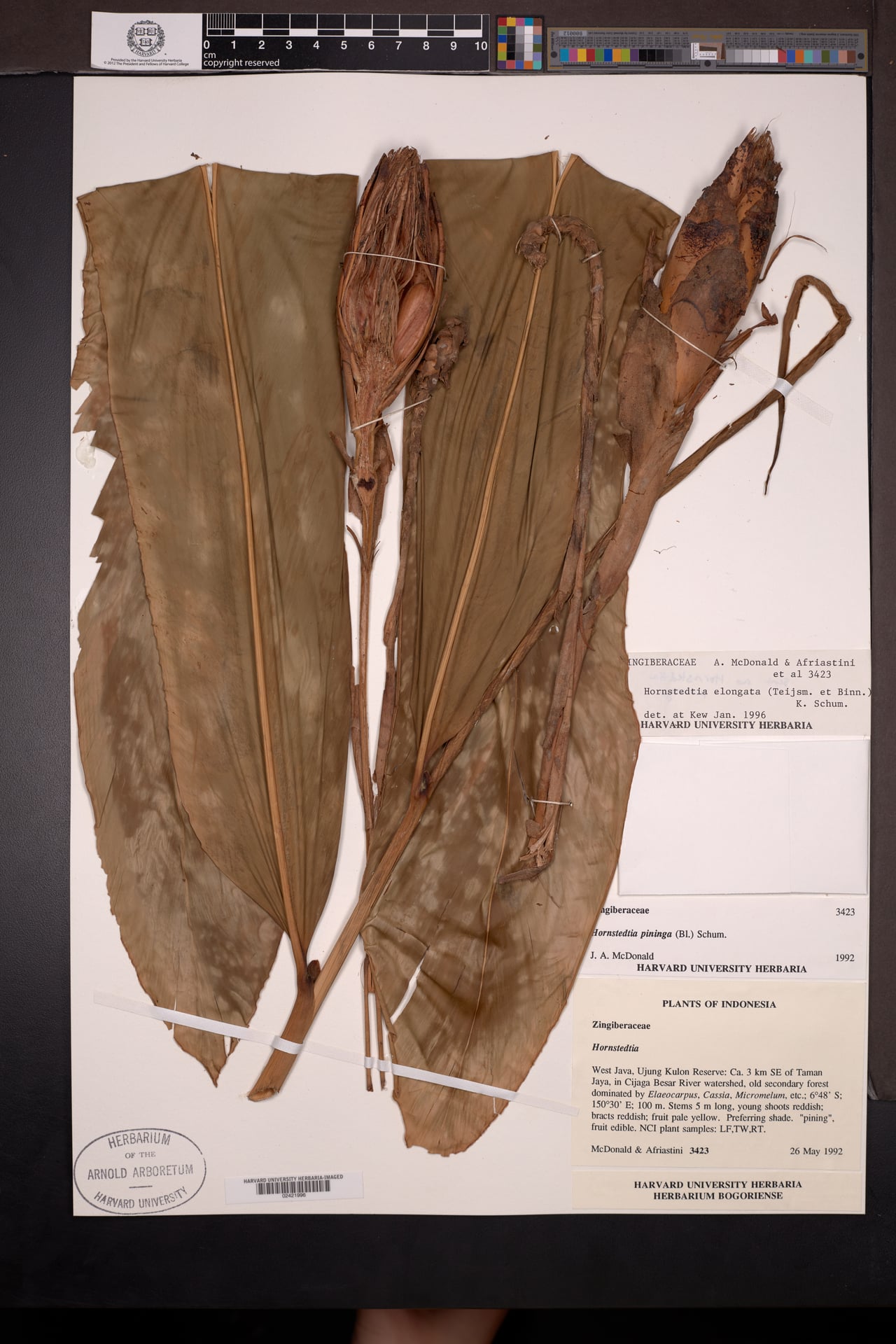
A ginger family herb. It keeps growing from year to year. It has rhizomes or stems under the ground. It grows to 3-4 m high. The flowers are clustered at the base. They are on short stalks. The flowers are red and yellow. The fruit are green or red when ripe. They are spindle shaped.
Edible Uses
A. daniellii is traditionally used as a spice in the regions of Africa it is native. The plant is also used for medicinal purposes as a laxative, anti-parasitic, and to fight other microbial infections.
Traditional Uses
The pulp of the fruit is eaten raw. The seeds are also eaten raw.
This uses section is brief — help expand it
Distribution
It is a tropical plant. It grows in seasonally flooded fields. It grows in moist shady places.
Where It Grows
Africa, Angola, Cameroon, Central Africa, Central African Republic, CAR, Côte d'Ivoire, Equatorial Guinea, Gabon, Ghana, Guinea, Guinée, Ivory Coast, Nigeria, Sao Tome and Principe, Sierra Leone, West Africa,
Other Information
It is a cultivated food plant.
Notes
There are about 50 Aframomum species.
Synonyms
Also Known As
Eson, Etoutou, Ichabolo, Ketsho, Longozo, Ndiyi na gbeugbeu, Olima
References (18)
- Abbiw, D.K., 1990, Useful Plants of Ghana. West African uses of wild and cultivated plants. Intermediate Technology Publications and the Royal Botanic Gardens, Kew. p 49
- Aniama, S. O., et al, 2016, Ethnobotanical documentaton of some plants among Igala people of Kogi State (Nigeria). The International Journal Of Engineering And Science (IJES). 5(4) pp 33-42
- Billong Fils, P. E., et al, 2020, Ethnobotanical survey of wild edible plants used by Baka people in southeastern Cameroon. Journal or Ethnobiology and Ethnomedicine. 16:64 p 7
- Bircher, A. G. & Bircher, W. H., 2000, Encyclopedia of Fruit Trees and Edible Flowering Plants in Egypt and the Subtropics. AUC Press. p 11
- Bouba, A. A., et al, 2012, Proximate Composition, Mineral and Vitamin Content of Some Wild Plants Used as Spices in Cameroon. Food and Nutrition Sciences 3:423-432.
Show all 18 references Hide references
- Burkill, H. M., 1985, The useful plants of west tropical Africa, Vol. 3. Kew.
- Chapman, J. D. & Chapman, H. M., 2001, The Forest Flora of Taraba and Andamawa States, Nigeria. WWF & University of Canterbury. p 213
- Dalziel, J. M., 1937, The Useful plants of west tropical Africa. Crown Agents for the Colonies London.
- Dibong, S. D., et al, 2011, Inventory and Biodiversity of species edible wild fruits sold in the markets of Douala, Cameroon. International Journal of Applied Biology and Pharmaceutical Technology. 2(3).
- e-monocot.org/taxon/urn:kew.org:wcs:taxon:218368
- Gallois, S., et al, 2020, Methodological priorities in assessing wild edible plant knowledge and use – a case study among the Baka in Cameroon.
- Global Plants JSTOR
- Kuhnlein, H. V., et al, 2009, Indigenous Peoples' food systems. FAO Rome p 260
- Morton, J.K., 1961, West African Lilies and Orchids. Longmans. p 33
- Peters, C. R., O'Brien, E. M., and Drummond, R.B., 1992, Edible Wild plants of Sub-saharan Africa. Kew. p 42
- Seidemann J., 2005, World Spice Plants. Economic Usage, Botany, Taxonomy. Springer. p 9
- Vivien, J., & Faure, J.J., 1996, Fruitiers Sauvages d'Afrique. Especes du Cameroun. CTA p 367
- World Checklist of Useful Plant Species 2020. Royal Botanic Gardens, Kew