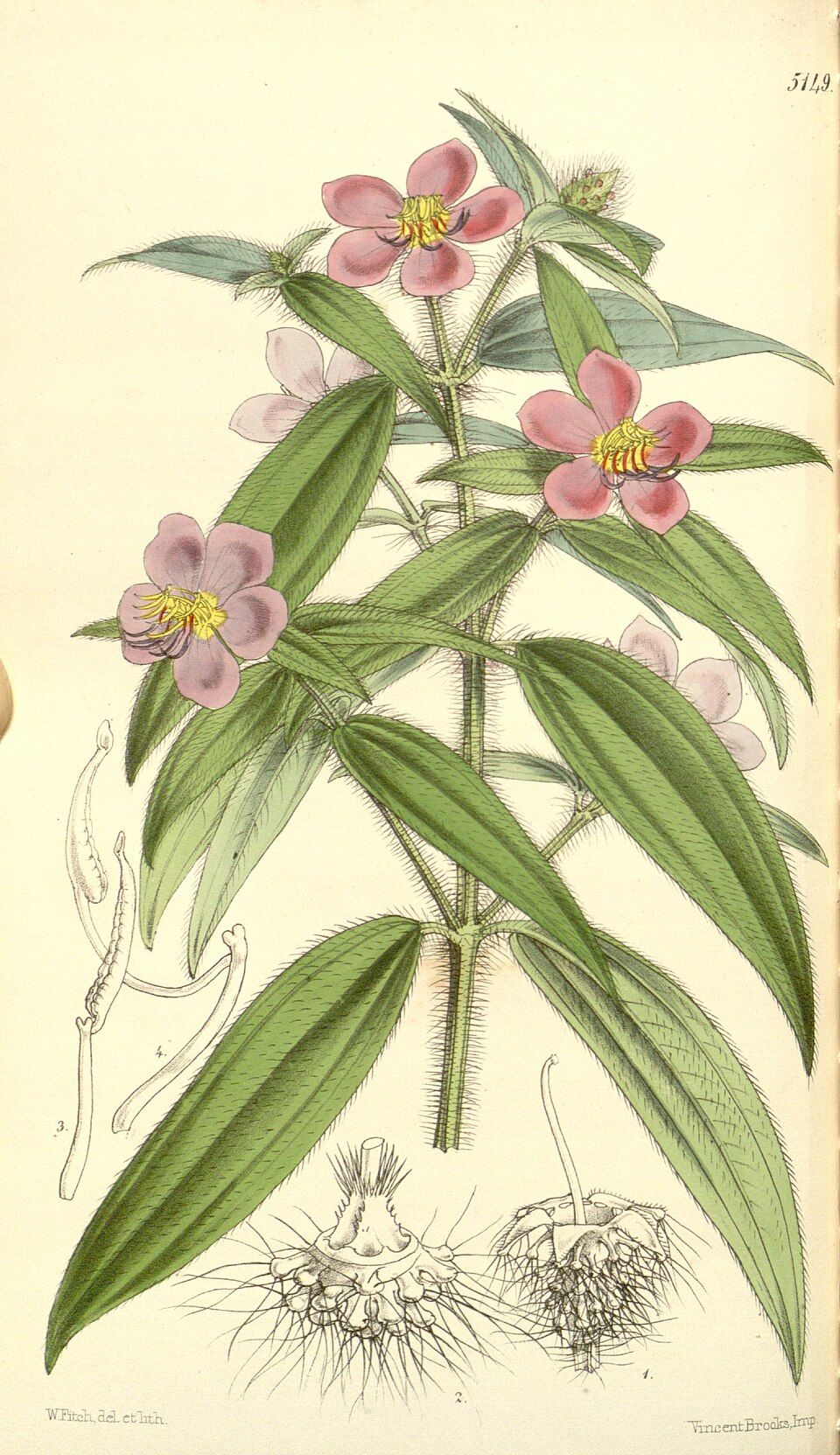
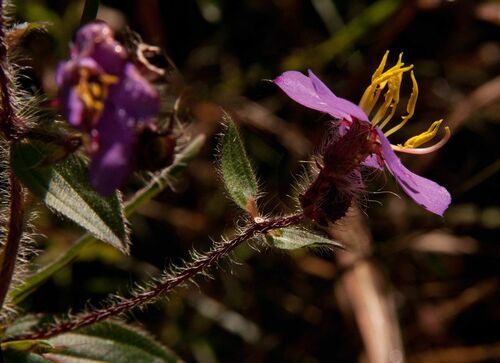
Dinophora spenneroides
Benth.
iNaturalist· cc-by-nc
(c) Carel Jongkind, some rights reserved (CC BY-NC), uploaded by Carel Jongkind
iNaturalist· cc-by-nc
(c) bureaubenjamin, some rights reserved (CC BY-NC)
Description
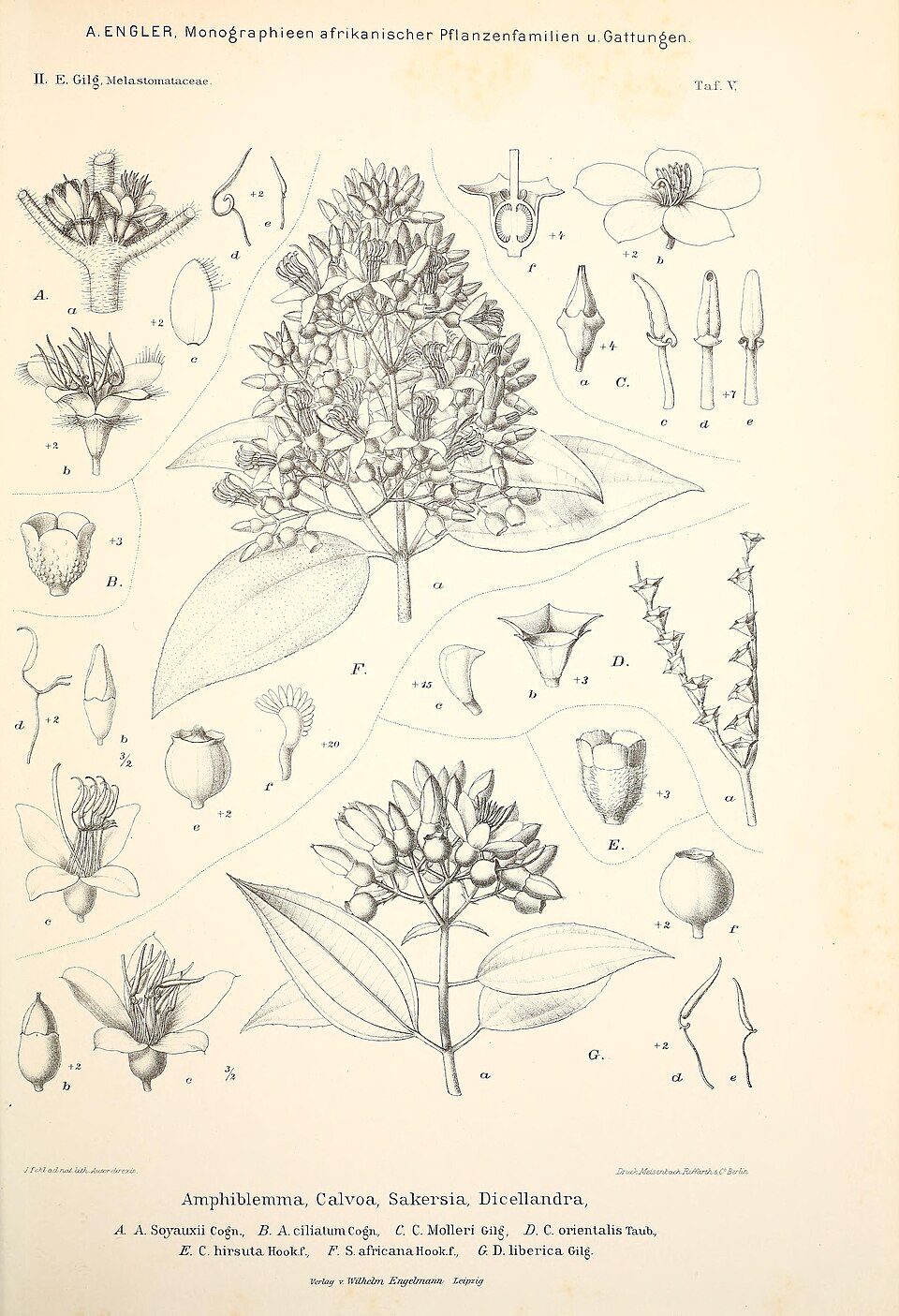
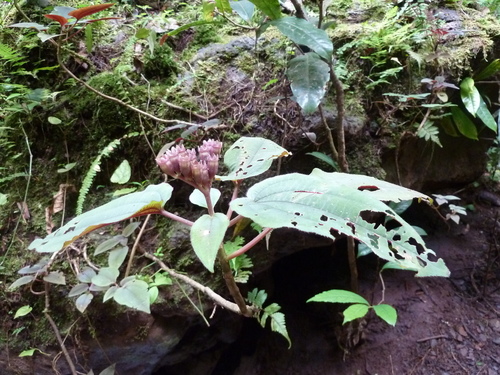
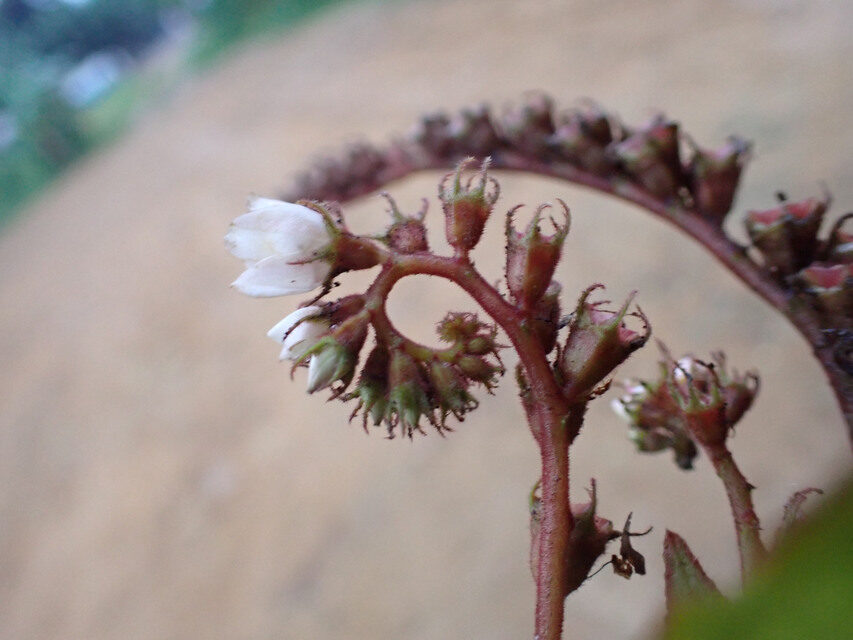
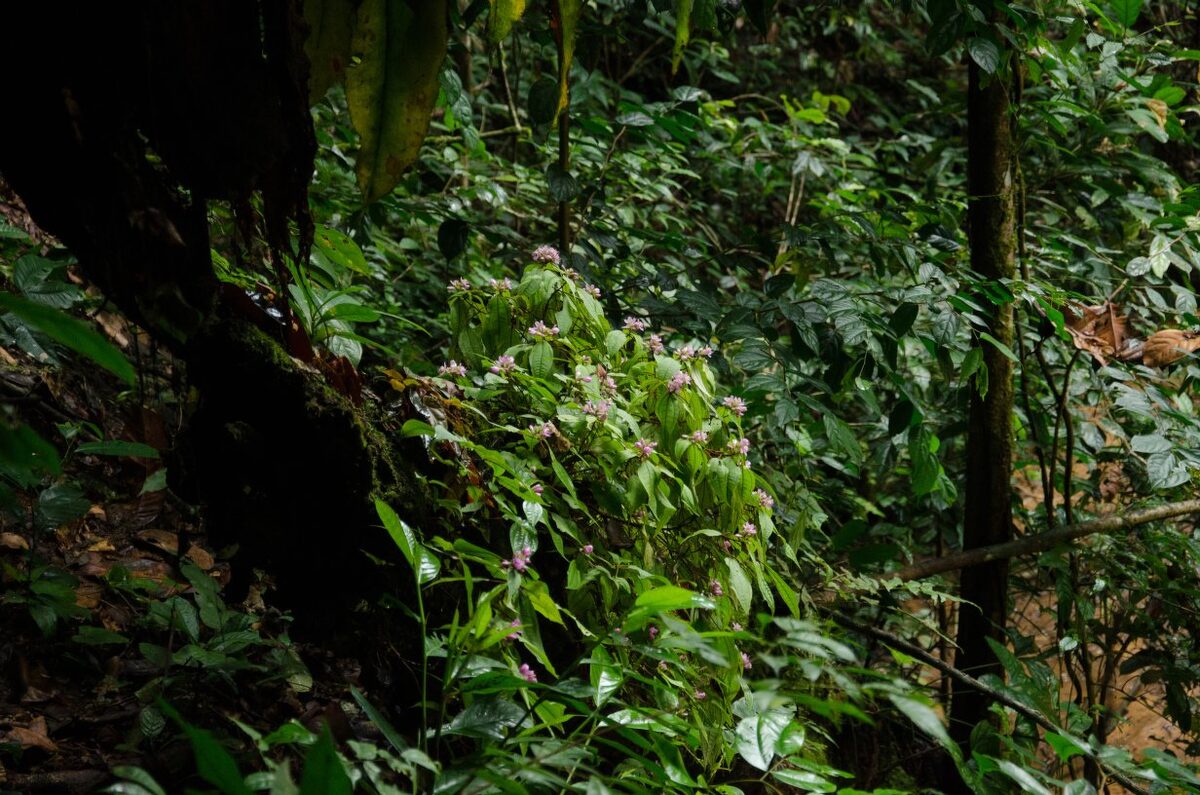
A herb or shrub. It grows 4 m high. It is woody at the base and has many branches. The branches are soft and four sided when young. The leaves are opposite and simple. The leaves are unequal and sword shaped. They are 5-22 cm long by 2-8 cm wide. They are usually rounded or heart shaped at the base and taper to the tip. The flowers are in a slender branching group. The fruit are about 1.5 cm across and white. They have several small seeds. The seeds are 1 mm long.
Edible Uses
Leaves - raw or cooked. An acid flavour. They are eaten as a substitute for Hibiscus sabdariffa. Fruit - raw. It contains some sweet pulp, and is usually eaten by children.
Traditional Uses
The leaves are slightly acid and are cooked and eaten.
This uses section is brief — help expand it
Medicinal Uses
A leaf decoction is recommended in the treatment of stomach problems, dysentery and haemorrhoids. An infusion is used as a treatment against cough, loss of voice and laryngitis. The leaves are eaten to treat stomach-ache. Used externally, the heated leaves are applied to ulcers and sprains, whilst the powdered leaves are applied to sores and wounds.
Distribution
A tropical plant. It grows in secondary scrub. It grows from sea level to 2,000 m above sea level.
Where It Grows
Africa, Angola, Cameroon, Central Africa, Central African Republic, CAR, Congo DR, Congo R, Côte d'Ivoire, East Africa, Equatorial-Guinea, Gabon, Ghana, Guinea, Guinée, Ivory Coast, Liberia, Nigeria, Rwanda, Sierra Leone, West Africa,
Other Information
The fruit are mainly eaten by children. The leaves are only a minor vegetable.
Synonyms
Also Known As
Bouam, Ebafonokwa, Essan, Gbarmunu cumlon, Itanganika
References (10)
- Abbiw, D.K., 1990, Useful Plants of Ghana. West African uses of wild and cultivated plants. Intermediate Technology Publications and the Royal Botanic Gardens, Kew. p 46
- Burkill, H. M., 1985, The useful plants of west tropical Africa, Vol. 4. Kew.
- Grubben, G. J. H. and Denton, O. A. (eds), 2004, Plant Resources of Tropical Africa 2. Vegetables. PROTA, Wageningen, Netherlands. p 287
- Jardin, C., 1970, List of Foods Used In Africa, FAO Nutrition Information Document Series No 2.p 132
- Manvell, A., 2011, Use of Non-Timber Forest Products around Sapo National Park, Liberia (Report B) p 52
Show all 10 references Hide references
- Martin, F.W. & Ruberte, R.M., 1979, Edible Leaves of the Tropics. Antillian College Press, Mayaguez, Puerto Rico. p 204
- Nkeoua, G. & Boundzanga, G. C., 1999, Donnees sur les produits forestieres non ligneux en Republique du Congo. FAO. p 24
- Terashima, H., et al, 1992, Ethnobotany of the Lega in the Tropical Rainforest of Eastern Zaire (Congo): Part Two, Zone de Walikale, African Study Monographs, Suppl. 19:1-60
- Vivien, J., & Faure, J.J., 1996, Fruitiers Sauvages d'Afrique. Especes du Cameroun. CTA p 193
- World Checklist of Useful Plant Species 2020. Royal Botanic Gardens, Kew