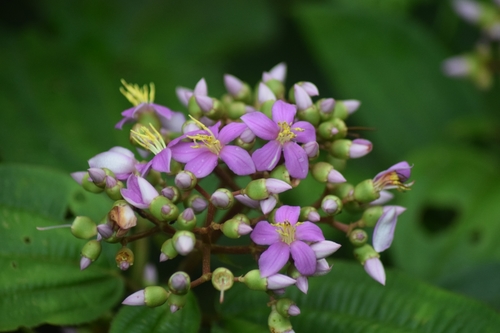
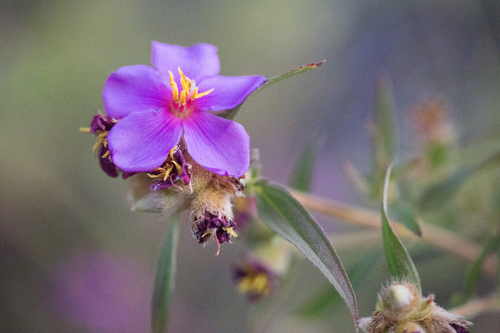
Clidemia petiolaris
(Schltdl. & Cham.) Schltdl ex Triana
iNaturalist· cc-by-nc
(c) Miguel García Cruz, some rights reserved (CC BY-NC)
iNaturalist· cc-by-nc
(c) Miguel García Cruz, some rights reserved (CC BY-NC)
iNaturalist· cc-by-nc
(c) abcdefgewing, some rights reserved (CC BY-NC)
Description
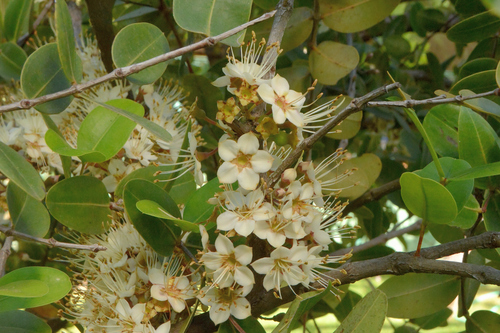
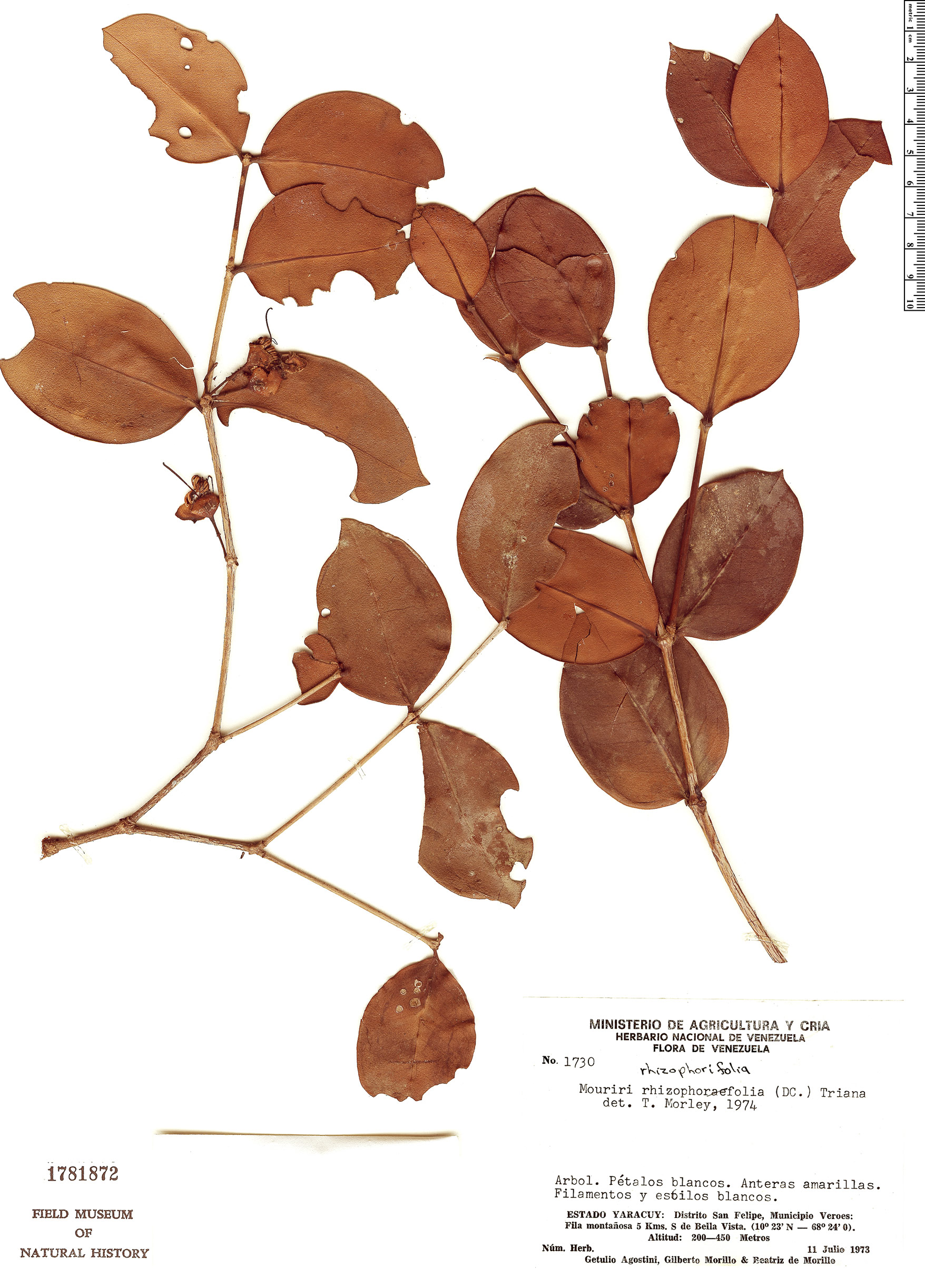
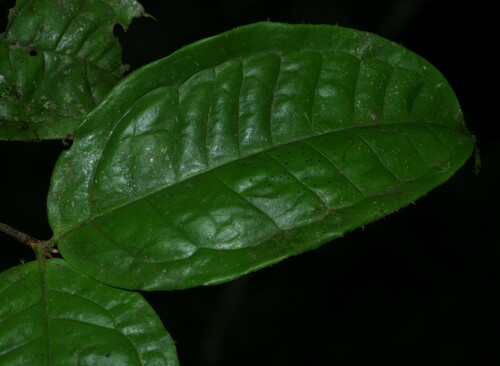
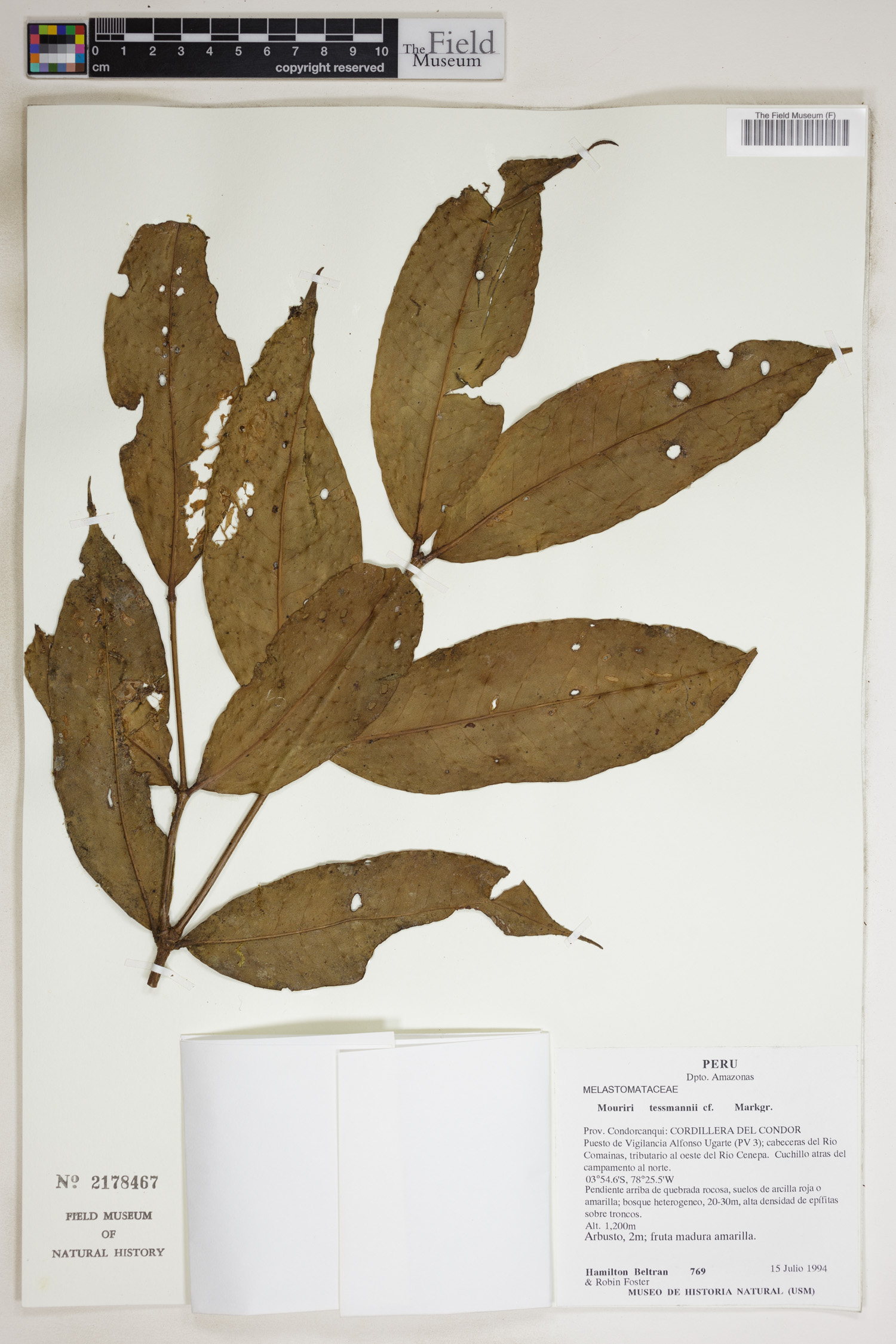
A slender shrub. It grows about 1 m tall. The leaves are oval and taper to the tip. They have rounded teeth. The leaves are 10 cm long by 5 cm wide. The fruit are dark purple to black.
Edible Uses
Both the fruit and leaves are edible.
Distribution
It is a tropical plant. It grows near sea level often in secondary growth and wet thickets.
Where It Grows
Central America, Costa Rica, Ecuador, El Salvador, Guatemala, Honduras, Mexico, Nicaragua, North America, Panama, South America,
Cultivation
Plants can be grown by seeds.
Synonyms
Also Known As
Capulin cenizo, Tzotzzit tzazmuttez
References (3)
- Don, G., A General History of the Dichlamydeus Plants: Calyciflorae
- Fern, K., 2012, Tropical Species Database http://theferns.info/tropical/
- Kermath, B. M., et al, 2014, Food Plants in the Americas: A survey of the domesticated, cultivated and wild plants used for Human food in North, Central and South America and the Caribbean. On line draft. p 244