Dianella congesta
R. Br.
Beach flax lilies
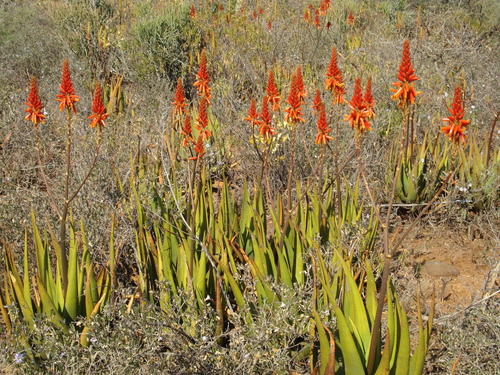
iNaturalist· cc-by-nc
(c) bree jashin, some rights reserved (CC BY-NC), uploaded by bree jashin
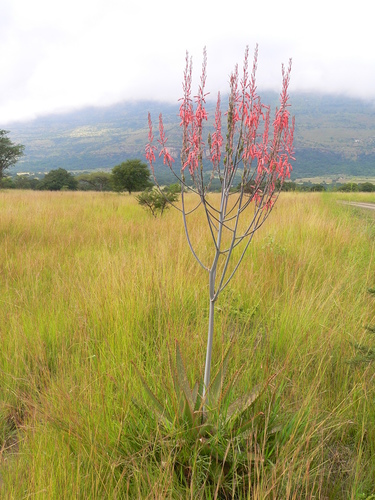
iNaturalist· cc-by-nc
(c) Jeannie, some rights reserved (CC BY-NC), uploaded by Jeannie
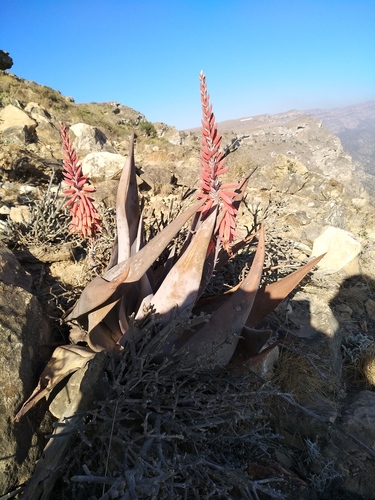
iNaturalist· cc-by-nc-sa
(c) sypster, some rights reserved (CC BY-NC-SA), uploaded by sypster
Summary
Evergreen perennial growing to 1 m tall. Year-round foliage with flowers from May to July. Hermaphroditic. Grows in light sandy or medium loamy well-drained soils in mildly acidic to neutral pH. Requires full sun and adapts to both dry and moist soil. Tolerates maritime exposure.
Description
A tufted plant. It grows 50 cm high. The leaves are 40 cm long. They have smooth edges. The flowers are in a nodding head. There are 2-8 flowers in a group. The fruit is a blue berry 1.2 cm across.
Edible Uses
The fruit can be eaten raw or cooked and is considered the best-tasting in the genus. It grows up to 1.5cm in diameter.
Medicinal Uses
None known.
Distribution
Coffs Harbour Botanical Gardens.
Where It Grows
Australia*,
Cultivation
We have very little information on this species and do not know if it will be hardy in Britain, though judging by its native range it could succeed outdoors at least in the milder areas of the country. The following notes are based on the general needs of the genus. Succeeds in ordinary garden soil in sun or dappled shade. Requires a well-drained neutral to acid soil. Requires a sunny sheltered position when grown outdoors in Britain. Most members of this genus are not very cold-tolerant, but some can survive in sheltered stable environments in dappled shade, such as a woodland, if temperatures do not drop far below zero for long periods.
Propagation
Pre-soak seed for 24 hours in lukewarm water, then sow in spring in gentle heat in a greenhouse. Germination usually takes place within 1–3 months at 25°C. Prick seedlings into individual pots when large enough and grow on under glass for at least the first two years before planting out in late spring or early summer. Divide as growth begins in spring — larger clumps can go directly into permanent positions, while smaller clumps are best potted up in a cold frame until well rooted before planting out in spring.
Other Uses
A very strong, silky fibre is obtained from the leaves, which are also used in basket-making. Based on the plant's native habitat, it should also be well suited to stabilising sand dunes.
Notes
There are about 20-30 Dianella species. Also put in the family Hemerocallidaceae.
References (3)
- Haslam, S., 2004, Noosa's Native Plants. Noosa Integrated Catchment Assn. Inc. p 22
- Low, T., 1991, Wild Food Plants of Australia. Australian Nature FieldGuide, Angus & Robertson. p 113
- Plants for a Future database, The Field, Penpol, Lostwithiel, Cornwall, PL22 0NG, UK. http://www.scs.leeds.ac.uk/pfaf/