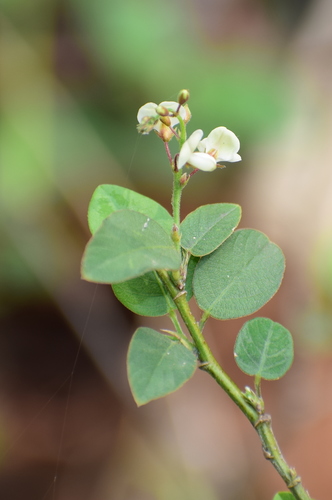
Dialium ovoideum
Thw.
Velvet tamarind
iNaturalist· cc-by-nc
(c) Michael and Nancy van der Poorten, some rights reserved (CC BY-NC), uploaded by Michael and Nancy van der Poorten
iNaturalist· cc-by-nc
(c) Michael and Nancy van der Poorten, some rights reserved (CC BY-NC)
Summary
Source: WikipediaDialium ovoideum is a tropical species of plant in the family Fabaceae. It is endemic to Sri Lanka. The Sinhala (Sri Lanka) name ගල් සියඹලා (gal siyambala) means "pebble tamarind" (ගල්: pebble-like/stone-like/hard). The Tamil name பட்டு புளியம் பழம் means "silky tamarind" which is named after the silky texture of the shell of the fruit. (பட்டு: velvet).
Description
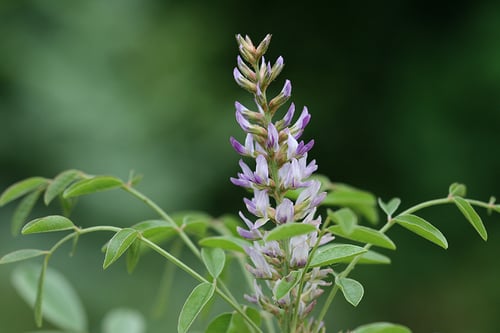
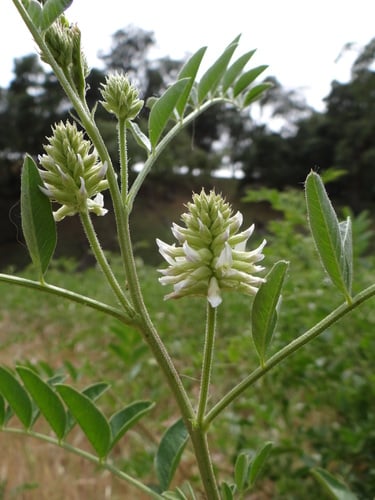
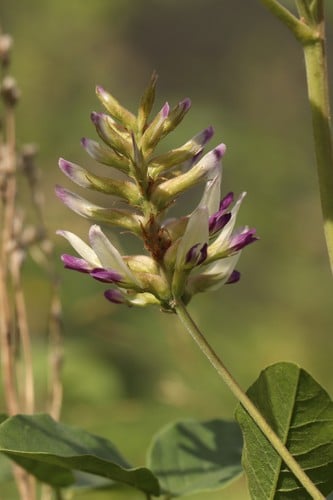
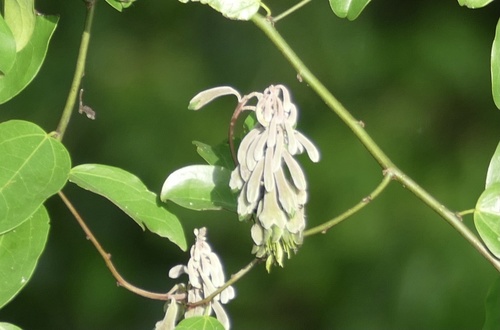
A tall tree. The bark is pale brown. The branches are slender and smooth. The leaves are small with leaflets along the stalk and one at the end. There are 2 pairs of leaflets. The are oval to sword shaped and are rounded at the base. They are dark shiny green. The flowers are very small and white. They are in pyramid shaped groups at the ends of branches. The fruit occur in bunches. The fruit is a pod 1-1.5 cm across. It is almost rounded and has a dense coating of brown hairs. There is one seed.
Edible Uses
The fruits are eaten. An agreeably tasting, sweet, slightly acid, powdery pulp. It is used fresh or in a drink. The fruits are small, ovate pods, each about 1.5 cm long, produced in large clusters. Each fruit is covered with a slight, black, velvet-like down, has a thin, brittle shell which is easily cracked between the fingers, and is single-seeded.
Traditional Uses
The ripe fruit are eaten fresh.
This uses section is brief — help expand it
Distribution
A tropical plant. It grows in evergreen forests and near rivers. In XTBG Yunnan.
Where It Grows
Asia, China, India, Indonesia, Malaysia, SE Asia, Sri Lanka*,
Cultivation
A tree of the moist tropics. This species has a symbiotic relationship with certain soil bacteria, these bacteria form nodules on the roots and fix atmospheric nitrogen. Some of this nitrogen is utilized by the growing plant but some can also be used by other plants growing nearby.
Other Uses
The dark red coloured wood is close-grained, very hard, heavy and strong. A handsome wood, it is used for house building and the manufacture of furniture, paddles and oil-presses. It is much sought after in its native habitat.
Other Information
The fruit are sold in markets.
Notes
There are about 40 Dialium species. They grow in tropical SE Asia. They probably all have edible fruit. Also as Caesalpinaceae.
Also Known As
Galsiyabala, Kaduliem palam, Kadu puli, Kallu-pullium
References (5)
- Ashton, M. S., et al 1997, A Field Guide to the Common Trees and Shrubs of Sri Lanka. WHT Publications Ltd. pdf p 250
- Hedrick, U.P., 1919, (Ed.), Sturtevant's edible plants of the world. p 270
- Rajapaksha, U., 1998, Traditional Food Plants in Sri Lanka. HARTI, Sri Lanka. p 235
- Macmillan, H.F. (Revised Barlow, H.S., et al) 1991, Tropical Planting and Gardening. Sixth edition. Malayan Nature Society. Kuala Lumpur. p 297
- Solomon, C., 2001, Encyclopedia of Asian Food. New Holland. p 398