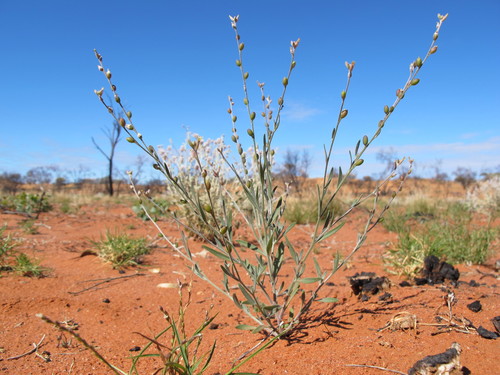
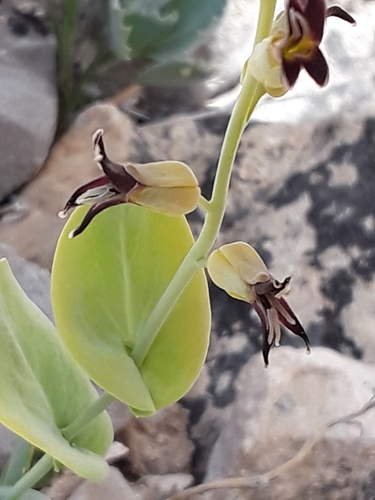
Lepidium lepidioides
(Coss. & Durieu) Al-Shehbaz
iNaturalist· cc-by-nc-sa
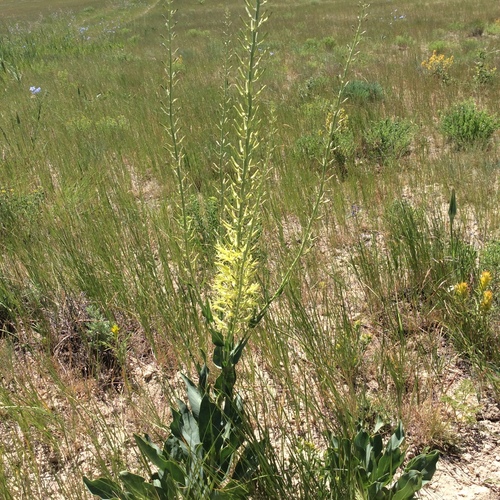
(c) Olivier Argagnon, some rights reserved (CC BY-NC-SA), uploaded by Olivier Argagnon
iNaturalist· cc-by-nc
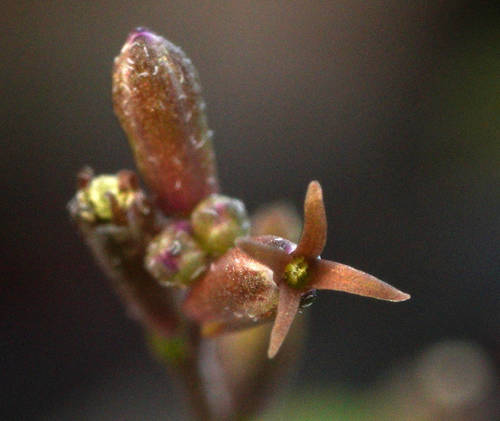
(c) Léo Giardi, some rights reserved (CC BY-NC)
Description
A herbaceous plant from the Brassicaceae (cabbage) family, adapted to Mediterranean climates.
This description is brief — help expand it
Edible Uses
The leaves and entire plant are edible.
Medicinal Uses
It was found after a phylogenetic analysis of the DNA of many species of 'Lepidium', that Lepidium heterophyllum, Lepidium hirtum, Lepidium campestre, and Lepidium perfoliatum formed a monophyletic group. It has been used in experiments growing in soils high in copper content, to determine if the plant could be used to help clean contaminated soils.
Distribution
It is a Mediterranean climate plant.
Where It Grows
Africa, Algeria, North Africa, Sahara,
Notes
There are 10 Coronopus species.
Synonyms
References (2)
- Jardin, C., 1970, List of Foods Used In Africa, FAO Nutrition Information Document Series No 2.p 69 (As Coronopus lepidioides)
- Martin, F.W. & Ruberte, R.M., 1979, Edible Leaves of the Tropics. Antillian College Press, Mayaguez, Puerto Rico. p 188 (As Senebiera lepidioides)