Cyttaria gunnii
Berk.
Beech Fungus, Beech Orange, Myrtle Orange, Beech strawberry
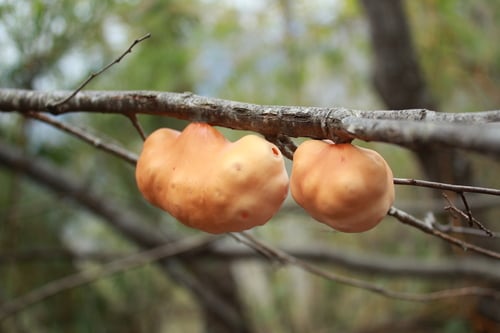
iNaturalist· cc-by
(c) Matt Berger, some rights reserved (CC BY), uploaded by Matt Berger
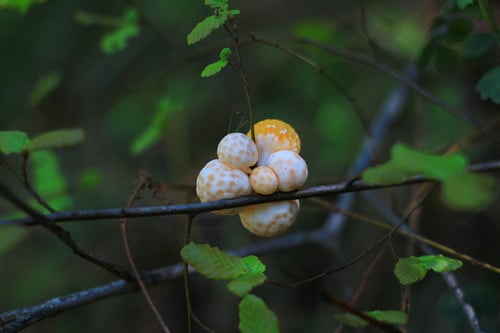
iNaturalist· cc-by-nc-sa
(c) Reiner Richter, some rights reserved (CC BY-NC-SA)
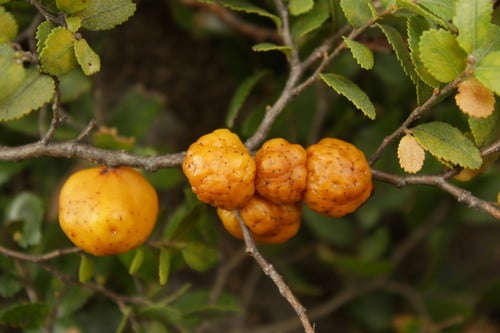
iNaturalist· cc-by-nc-sa
(c) Reiner Richter, some rights reserved (CC BY-NC-SA)
Summary
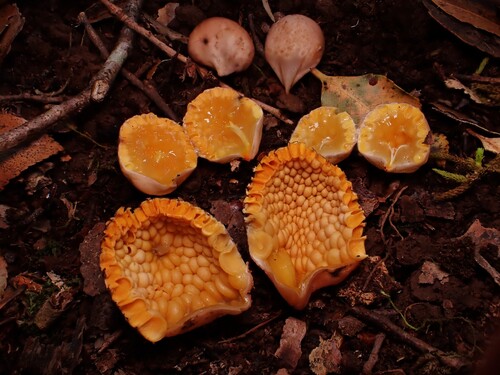
Source: WikipediaCyttaria gunnii, commonly known as the myrtle orange or beech orange, is an orange-white coloured and edible ascomycete fungus native to Australia. It is a specific parasite of myrtle beech (Nothofagus cunninghamii) trees.
Description
A mushroom. The young fruiting body is covered by a pale membrane. This falls away as the fungus expands.
This description is brief — help expand it
Edible Uses
The whole fungus is eaten.
Traditional Uses
The whole fungus is eaten.
This uses section is brief — help expand it
Distribution
It is a temperate plant. They grow on galls on Nothofagus.
Where It Grows
Australia*, New Zealand, Tasmania*,
Notes
The New Zealand and Tasmanian species may be different.
Also Known As
Caomeijun
References (7)
- Boa, E. R., Wild edible fungi and their importance to people. FAO Non Wood Forest Products Booklet 17
- Cribb, A.B. & J.W., 1976, Wild Food in Australia, Fontana. p 202
- Crowe, A., 1997, A Field Guide to the Native Edible Plants of New Zealand. Penguin. p 124
- Fuhrer, B., 2005, A field guide to Australian Fungi. Bloomings Books. p 314
- Hall, I. R., et al, 2003, Edible and Poisonous Mushrooms of the World. Timber Press. p 253
Show all 7 references Hide references
- Maiden, J. H., 1889, The Useful Native Plants of Australia (including Tasmania). The Technology Museum of NSW, Sydney. p 21
- Nicholson, N & H., 1996, Australian Rainforest Plants 2, Terania Rainforest Publishing. NSW. p 45