Cyrtanthus bicolor
R. A. Dyer
Fire lily
iNaturalist· cc-by-nc
(c) Linda Loffler, some rights reserved (CC BY-NC), uploaded by Linda Loffler
iNaturalist· cc-by-nc
(c) Kate Braun, some rights reserved (CC BY-NC), uploaded by Kate Braun
iNaturalist· cc-by-nc
(c) Kate Braun, some rights reserved (CC BY-NC)
Description
A herb. A bulb plant. The bulb is 3 cm across. There are 2 or 3 leaves and these reach full size 1-2 months after flowering. The leaves are narrow and taper to both ends. They are 40 cm long by 1 cm wide. The flowering stalk is 20-30 cm long. It is hollow. There can be up to 10 flowers. They are usually turned to 1 side and nodding. The flowers are tube shaped. They are red.
Edible Uses
The leaves and flowers are used as vegetables.
Distribution
A tropical plant. In Swaziland it grows in the highveld.
Where It Grows
Africa, Eswatini, South Africa, Southern Africa*, Swaziland,
Cultivation
Plants are grown by seeds.
Notes
There are 47 Cyrtanthus species. They grow in tropical and southern Africa.
Also Known As
Impimpiliza, Ummoimpiliza
References (10)
- Jardin, C., 1970, List of Foods Used In Africa, FAO Nutrition Information Document Series No 2.p 74
- Long, C., 2005, Swaziland's Flora - siSwati names and Uses http://www.sntc.org.sz/flora/
- Marinelli, J. (Ed), 2004, Plant. DK. p 232 (Other species)
- Martin, F.W. & Ruberte, R.M., 1979, Edible Leaves of the Tropics. Antillian College Press, Mayaguez, Puerto Rico. p 174
- Ogle & Grivetti, 1985,
Show all 10 references Hide references
- Okigbo, B.N., Vegetables in Tropical Africa, in Opena, R.T. & Kyomo, M.L., 1990, Vegetable Research and development in SADCC countries. Asian Vegetable Research and development Centre. Taiwan. p 38
- Peters, C. R., O'Brien, E. M., and Drummond, R.B., 1992, Edible Wild plants of Sub-saharan Africa. Kew. p 10
- Ruiters-Welcome, A. K., 2019, Food plants of southern Africa. Ph.D. thesis. Univ. of Johannesburg p 12
- Swaziland's Flora Database http://www.sntc.org.sz/flora
- Welcome, A. K. & Van Wyk, B.-E., 2019, An inventory and analysis of the food plants of southern Africa. South African Journal of Botany 122 (2019) 136–179
More from Amaryllidaceae
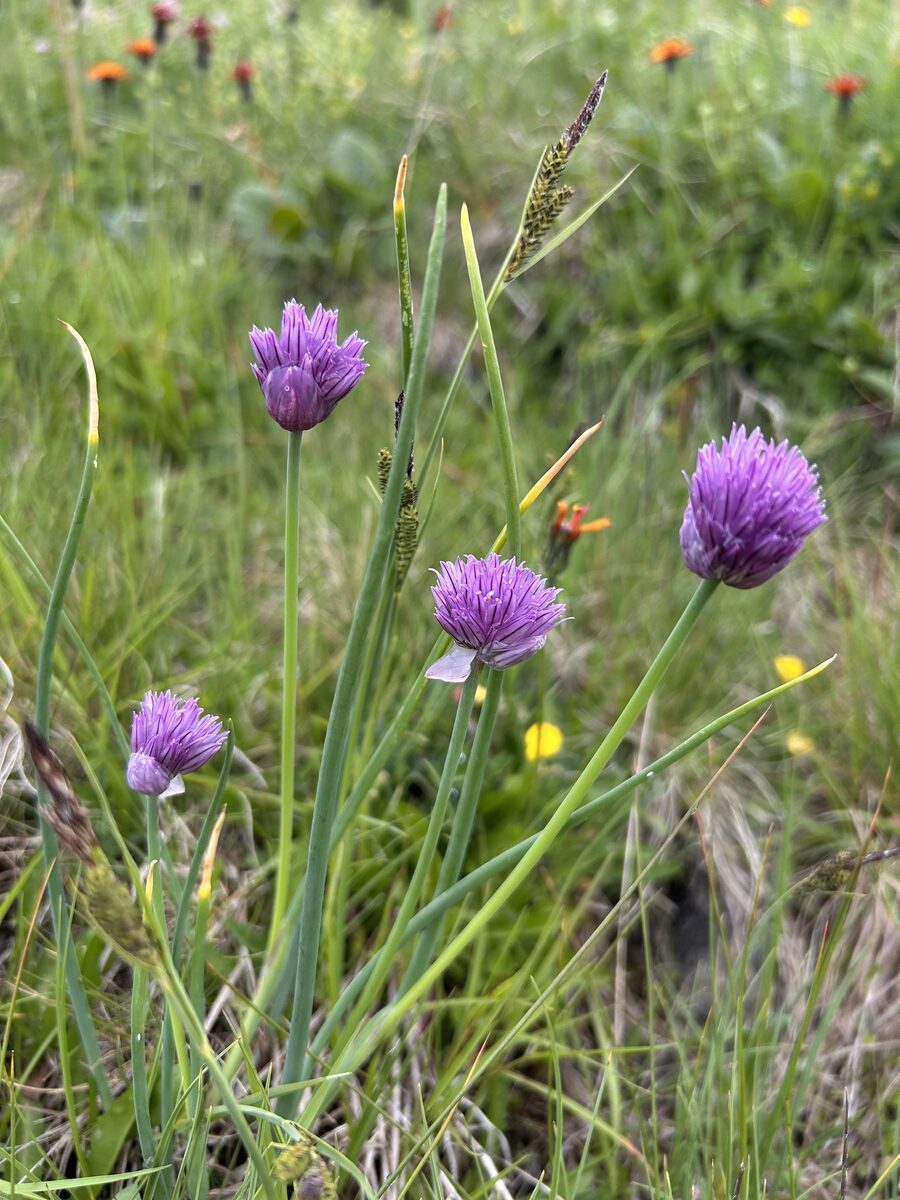
Allium schoenoprasum sibiricum - (L.)Hartm.
Giant Chives
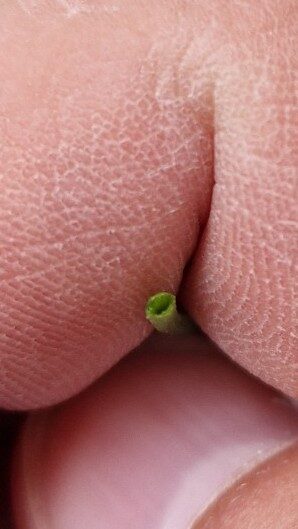
Allium schoenoprasum subsp. schoenoprasum
Siberian chive
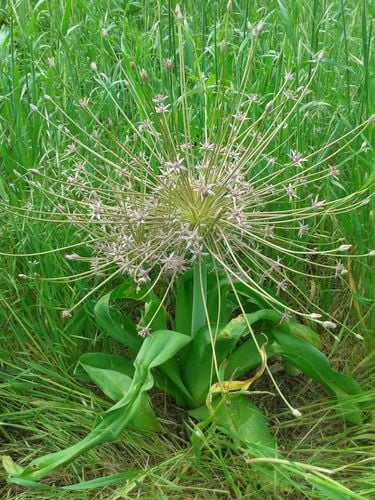
Allium schubertii
Schubert onion, Tumbleweed onion
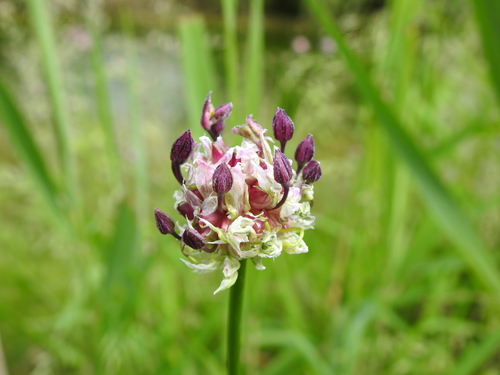
Allium scorodoprasum
Giant garlic, Sand leek, Rocambole, Spanish garlic
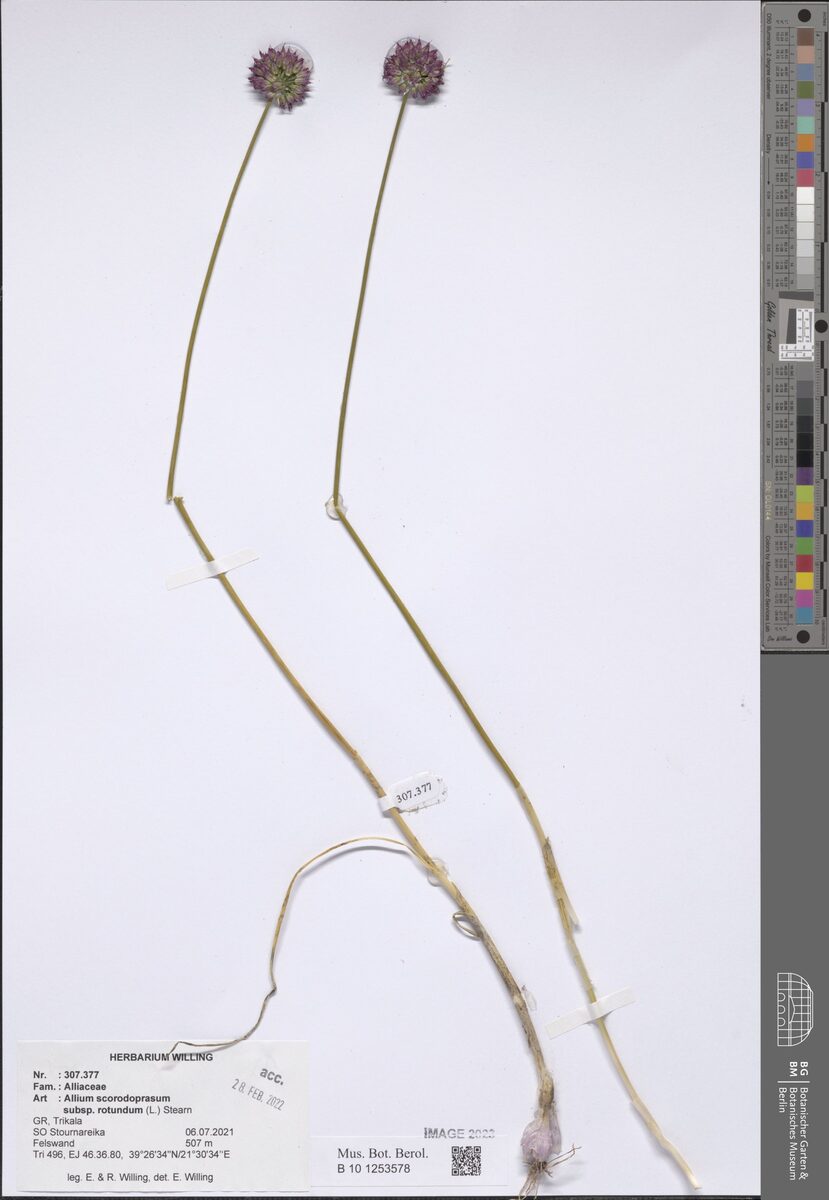
Allium scorodoprasum rotundum - (L.)Stearn.
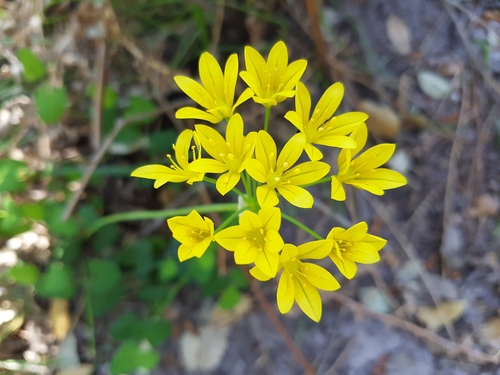
Allium scorzonerifolium