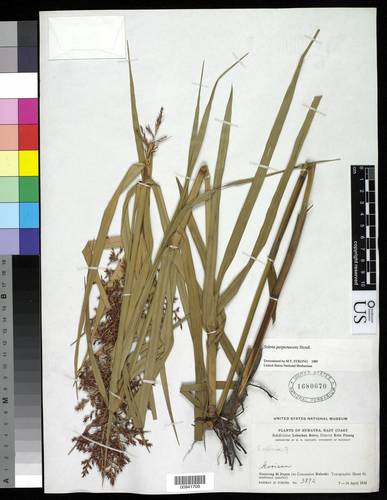
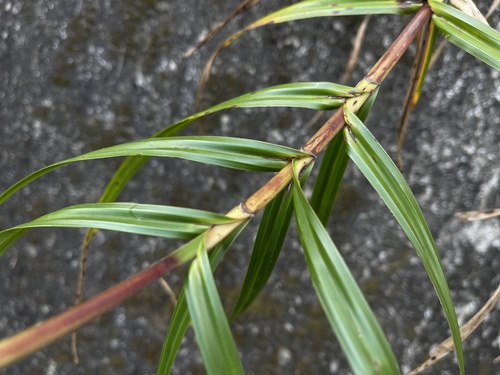
Cyperus schweinitzii
Torr.
Flatsedge
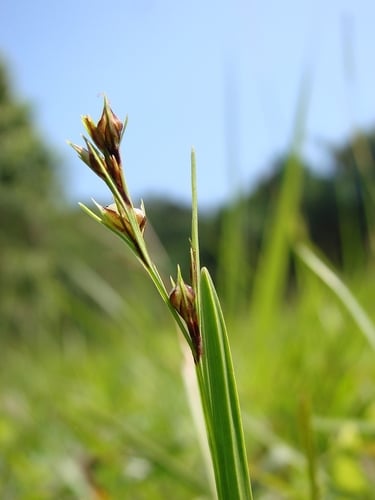
iNaturalist· cc-by-nc
(c) Shaun Pogacnik, some rights reserved (CC BY-NC), uploaded by Shaun Pogacnik
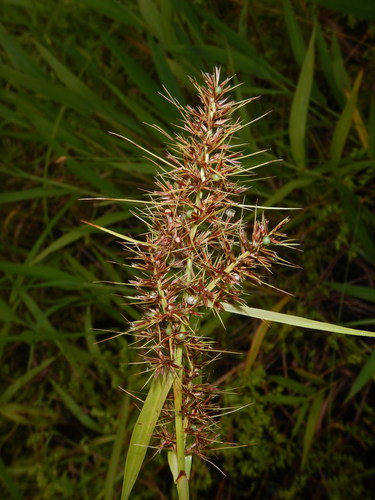
iNaturalist· cc-by-nc
(c) Chuck Thomas, some rights reserved (CC BY-NC)
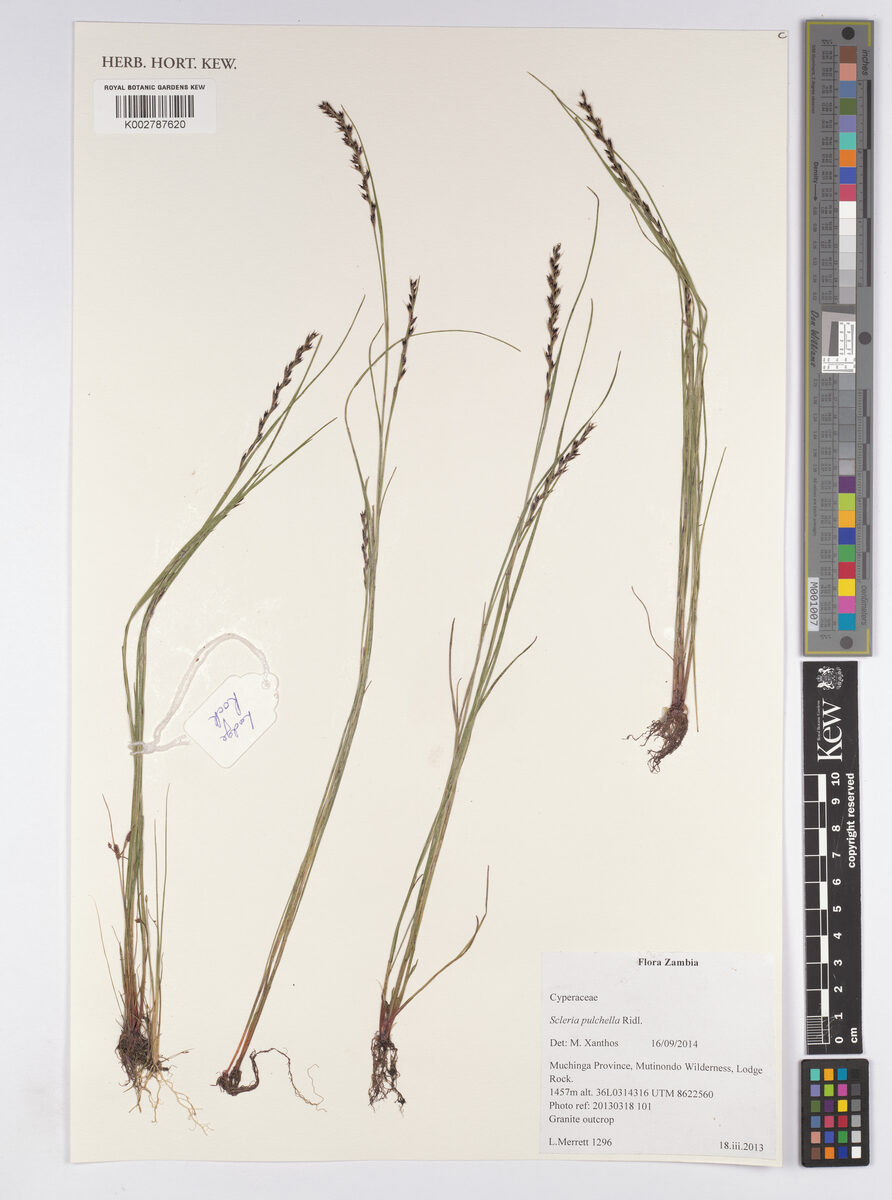
iNaturalist· cc-by-sa
(c) Douglas Goldman, some rights reserved (CC BY-SA), uploaded by Douglas Goldman
Summary
Source: WikipediaCyperus schweinitzii is a species of sedge that is native to parts of North America.
Description
Perennial sedge reaching 0.8 m in height. Seeds mature from May to July. Hermaphroditic. Suitable for light sandy and medium loamy soils with mildly acidic to basic pH. Requires full sun and moist or wet soil conditions.
Edible Uses
The tubers can be eaten raw or cooked.
Medicinal Uses
None known.
Distribution
It is a temperate plant.
Where It Grows
North America, USA,
Cultivation
We have very little information on this species and do not know if it will be hardy in Britain, though judging by its native range it should succeed outdoors in many parts of this country. The following notes are based on the general needs of the genus. Prefers a moist sandy loam in a sunny position.
Propagation
Surface sow seed in spring, keeping the compost moist; germination typically occurs in 2–6 weeks at 18°C. Prick seedlings into individual pots once large enough to handle, overwinter in a greenhouse, and plant out in late spring after the last expected frosts. Division in spring or autumn is very easy; larger clumps can be replanted directly into permanent positions, though smaller clumps are better potted up and grown on in a cold frame until well rooted, then planted out in spring.
Other Uses
The leaves are used in basketry and for weaving hats and matting.
Notes
There are 550 Cyperus species.
References (1)
- Plants for a Future database, The Field, Penpol, Lostwithiel, Cornwall, PL22 0NG, UK. http://www.scs.leeds.ac.uk/pfaf/