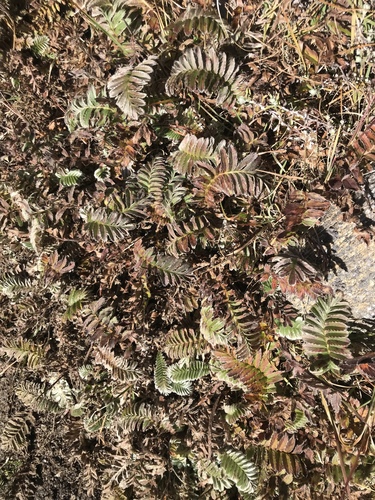
Prunus mandshurica
)Maxim.) Koehne
Manchurian apricot, Liaoning apricot
iNaturalist· cc-by-sa
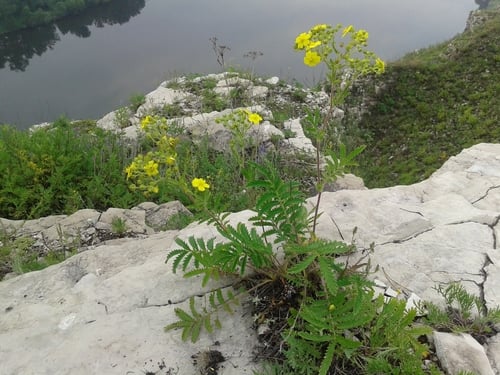
(с) Sminthopsis84, некоторые права защищены (CC BY-SA)
iNaturalist· pd
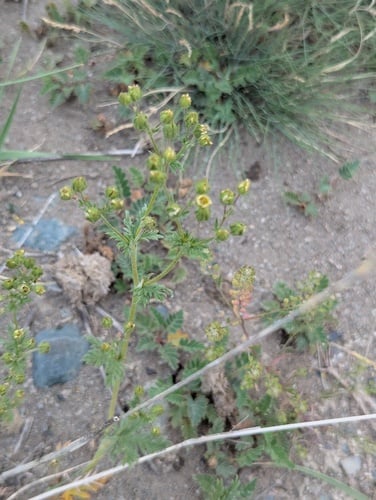
. Original uploader was Perest at ru.wikipedia, нет известных ограничений авторского права (общественное достояние)
iNaturalist· cc-by-nc
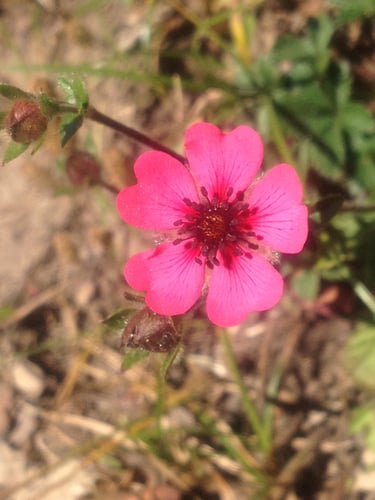
(c) sergeyprokopenko, some rights reserved (CC BY-NC)
Summary
Source: WikipediaPrunus mandshurica, also called Manchurian apricot is a tree in the genus Prunus. It was first described by Karl Maximovich in 1883 as a variety of the Siberian apricot (Tibetan apricot) Prunus armeniaca. It is resistant to cold and is native to northeast China, Korea, and Manchuria. It is highly susceptible to plum pox potyvirus.
Description
A tree. It grows 10 m tall. The leaves are oval and have a long tip. There are teeth along the edges. Flowers are white or pale pink. The fruit are 25 mm across. There is one seed.
Edible Uses
The fruit can be eaten raw or cooked, though it is not usually very palatable raw. Occasionally the fruit is sweet enough for dessert, but wild forms tend to be slightly fleshy to dry, sour or somewhat bitter; large-fruited forms with fragrant, pleasant-tasting flesh also exist. The fruit is small and juicy, ranging from sub-acid to sweet, and can be eaten out of hand, cooked, or made into preserves. It grows up to 25mm in diameter and contains one small seed. The seed can be eaten raw or cooked and is a possible almond substitute, though it usually has a bitter flavour — sweeter-seeded plants do exist. Do not eat the seed if it is too bitter — see toxicity notes.
Traditional Uses
The fruit are eaten raw or cooked. Usually they are better cooked. The seeds are eaten raw or cooked. Caution: Avoid seeds if they are bitter.
This uses section is brief — help expand it
Medicinal Uses
The seed is antiasthmatic, antiseptic, antitussive and emollient, and is used to treat coughs, asthma, acute or chronic bronchitis and constipation. The seed contains amygdalin and prunasin, which break down in water to form hydrocyanic acid (cyanide or prussic acid). In small amounts this exceedingly poisonous compound stimulates respiration, improves digestion and gives a sense of well-being.
Known Hazards
Bitter seeds contain cyanogenic compounds and must not be consumed.
Distribution
It is a temperate plant.
Where It Grows
Asia, China, Korea, Manchuria,
Propagation
Seed requires 2–3 months of cold stratification and is best sown in a cold frame as soon as it is ripe. Stored seed should be sown in a cold frame as early in the year as possible. Protect seed from mice. Germination can be slow, sometimes taking 18 months. Prick out seedlings into individual pots when large enough to handle, grow on in a greenhouse or cold frame through their first winter, and plant out in late spring or early summer the following year. Cuttings of half-ripe wood with a heel can be taken in July/August in a frame. Softwood cuttings from strongly growing plants can be taken in spring to early summer in a frame. Layering can be done in spring.
Other Uses
A green dye can be obtained from the leaves, and a dark grey to green dye from the fruit. Being highly frost-resistant, this plant has potential as a rootstock. The wood is very hard, durable and attractive. The flowers are rich in nectar and pollen, attracting bees, butterflies and other pollinators. The fruits are an important food source for birds and mammals, and the trees provide shelter through their dense foliage, supporting roosting and nesting. The bark and leaf litter provide shelter and overwintering sites for invertebrates and beneficial insects.
Synonyms
References (1)
- Ferns, Plants For A Future