Rubus deliciosus var. neomexicanus - (A.Gray) Kearney
(A.Gray) Kearney
New Mexico raspberry
No photos yet for Rubus deliciosus var. neomexicanus - (A.Gray) Kearney
Sign in to contribute a photoDescription
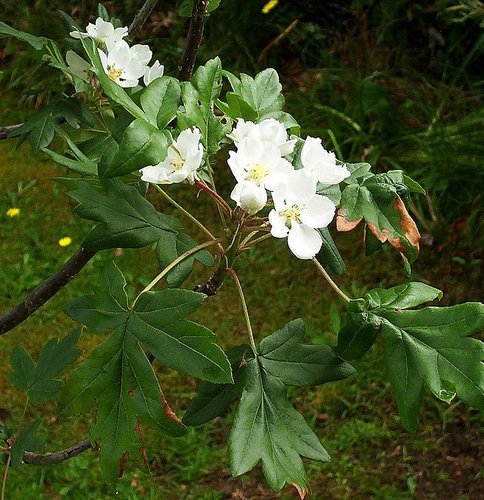
Rubus deliciosus var. neomexicanus is a deciduous Shrub growing to 2 m (6ft) by 1.5 m (5ft) at a fast rate. See above for USDA hardiness. It is hardy to UK zone 6 and is not frost tender. The flowers are pollinated by Insects. It is noted for attracting wildlife. Suitable for: light (sandy), medium (loamy) and heavy (clay) soils and prefers well-drained soil. Suitable pH: mildly acid, neutral and basic (mildly alkaline) soils. It can grow in semi-shade (light woodland) or no shade. It prefers moist soil.
Edible Uses
Fruit - raw or cooked. The red, hemispherical fruit is up to 10mm wide. Edible Uses & Caution: Like all members of the Rubus genus, New Mexico raspberry produces edible fruits. The fruits are aggregates of drupelets, commonly called raspberries or blackberries. They are safe to eat raw or cooked and have been gathered across North America since ancient times. Food Potential: New Mexico raspberry produces purple fruits that are slightly sweet and slightly tart. The quality is considered moderate compared to other raspberries. The shrubs themselves are noteworthy for being long-lived and completely thornless, which is unusual for the genus. Fruits normally ripen between June and August, with the possibility of a second crop after summer rains, extending the season by several weeks. Beyond maturity, the fruits dry out, become mostly seeds, and fall to the ground, so harvesting is best done promptly. The flavor is reasonably pleasant—sweet enough with a mild tartness—and the seeds are fairly soft when the fruits mature, though not delicately crunchy. The fruits are best eaten fresh, but they can also be dried for later use, though their seedy nature makes them less suited for processing into jams compared to cultivated raspberries.
Distribution
Western N. America - Utah, Colorado, Arizona, New Mexico
Where It Grows
Native to: Arizona, Colorado, Mexico Northeast, Mexico Northwest, New Mexico, Utah.
Cultivation
Easily grown in a good, well-drained, loamy soil in sun or semi-shade. Plants in this genus are notably susceptible to honey fungus. USDA Hardiness Zone: 5–9. Weed Potential: Low – New Mexico raspberry is a native species and not invasive. It integrates well into local ecosystems and provides food for wildlife as well as humans.
Propagation
Seed - requires stratification and is best sown in early autumn in a cold frame. Stored seed requires one month stratification at about 3°c and is best sown as early as possible in the year. Prick out the seedlings when they are large enough to handle and grow on in a cold frame. Plant them out into their permanent positions in late spring of the following year. Cuttings of half-ripe wood, mid summer in a frame. Tip layering in July. Plant out in autumn. Division in early spring or just before leaf-fall in the autumn.
Synonyms
Also Known As
New Mexico Raspberry (Rubus neomexicanus A. Gray)