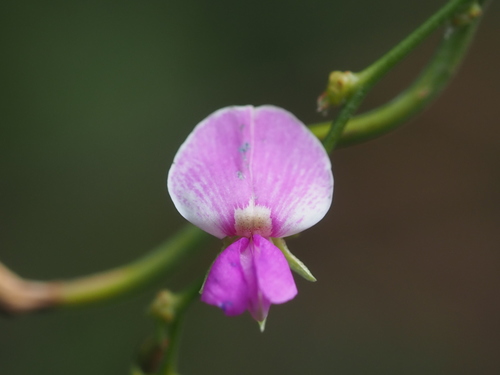
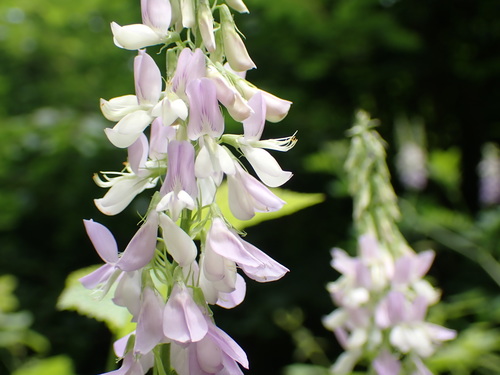
Cyclopia subternata
Vogel
Vlei tea
iNaturalist· cc-by-sa
(c) Dave U, some rights reserved (CC BY-SA), uploaded by Dave U
iNaturalist· cc0
no rights reserved
Description
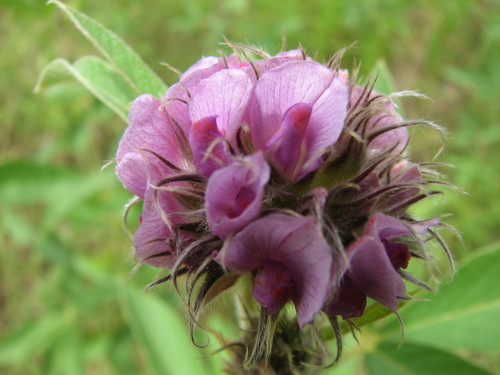
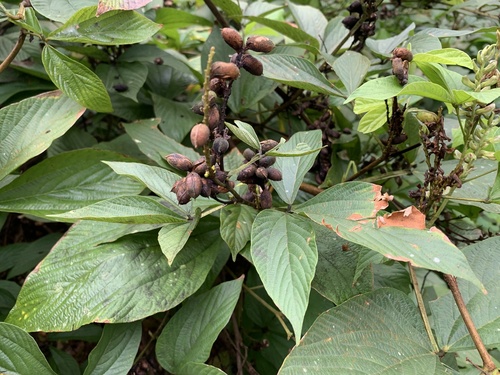
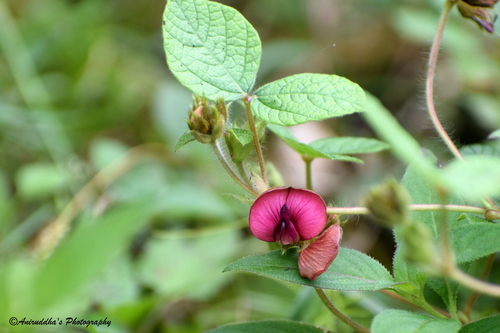
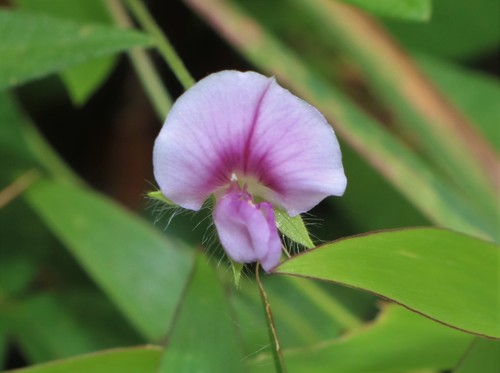
A compact shrub. It grows about 1 m tall. The flowers are in large heads and are bright yellow. The flowers then turn red and fade to brown.
This description is brief — help expand it
Edible Uses
The stems, leaves, and flowers are brewed as tea drinks.
Traditional Uses
The stems, leaves and flowers are used as tea drinks.
This uses section is brief — help expand it
Distribution
It is a subtropical plant.
Where It Grows
Africa, South Africa*, Southern Africa,
Synonyms
Probably now Cyclopia falcata
References (11)
- Courtenay-Latimer, M., et al, 1967, The Flowering Plants of the Tsitsikama Forest and Coastal National Park. National Parks Board. Republic of South Africa. Plate 37:1
- Fox, F. W. & Young, M. E. N., 1982, Food from the Veld. Delta Books. p 225
- Hedrick, U.P., 1919, (Ed.), Sturtevant's edible plants of the world. p 256
- Linnaea 10:595. 1836
- Plowes, N. J. & Taylor, F. W., 1997, The Processing of Indigenous Fruits and other Wildfoods of Southern Africa. in Smartt, L. & Haq. (Eds) Domestication, Production and Utilization of New Crops. ICUC p 189
Show all 11 references Hide references
- Ruiters-Welcome, A. K., 2019, Food plants of southern Africa. Ph.D. thesis. Univ. of Johannesburg p 57
- van Wyk, B., 2005, Food Plants of the World. An illustrated guide. Timber press. p 167
- van Wyk, Be., & Gericke, N., 2007, People's plants. A Guide to Useful Plants of Southern Africa. Briza. p 104
- van Wyk, Ben-Erik, 2019, The diversity and multiple uses of southern African legumes. Australian Systematic Botany, 2019, 32, 519–546
- Welcome, A. K. & Van Wyk, B.-E., 2019, An inventory and analysis of the food plants of southern Africa. South African Journal of Botany 122 (2019) 136–179
- Wiersema, J. H. & Leon, B., 2013, World Economic Plants. A Standard Reference CRC Press. 2nd Ed. p 223