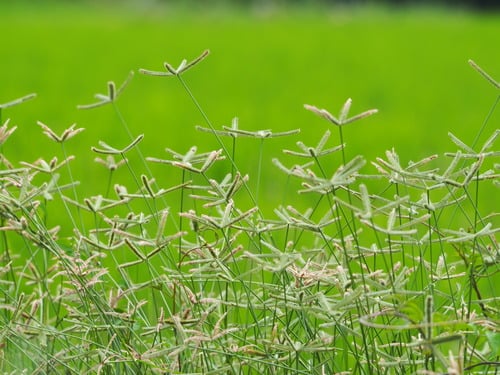
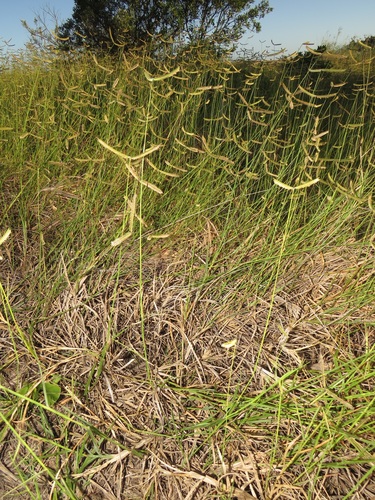
Chloris truncata
R. Br.
Windmill grass, Umbrella grass
iNaturalist· cc-by-nc
(c) Mike Lusk, some rights reserved (CC BY-NC), uploaded by Mike Lusk
iNaturalist· cc-by-sa
(c) Miguel de Salas, some rights reserved (CC BY-SA), uploaded by Miguel de Salas
iNaturalist· cc-by-nc
(c) dorchard, some rights reserved (CC BY-NC)
Summary
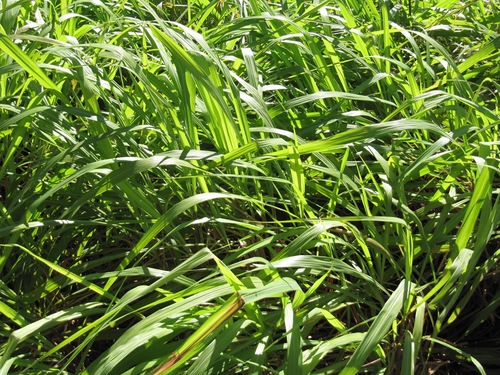
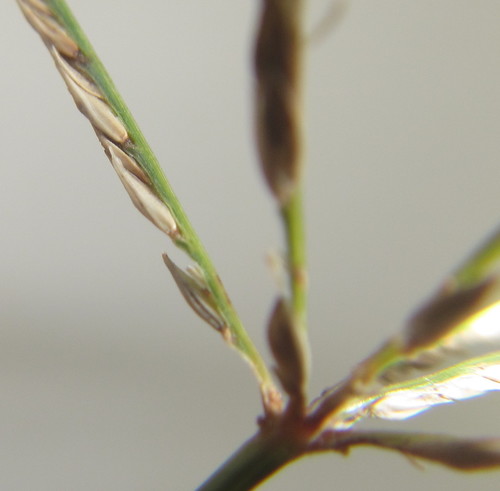
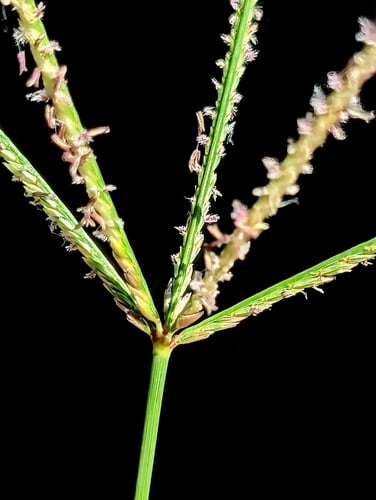
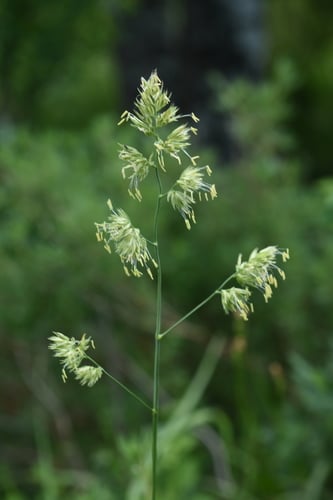
Source: WikipediaChloris truncata, known by the common names Australian fingergrass, windmill-grass, Australian windmill grass and simply windmill grass locally in Australia, is a perennial grass. Chloris truncata is a low-growing grass forming a small clump of around 30 centimetres in diameter. It has long leaves, approximately 10–15 cm long with a distinctive blunt tip and flattened leaf sheath at the base. It is light green in colour with a prominent central vein. The plant gets its common name from its large windmill-shaped flowering heads, which can be around 30 cm across. Each of the long black spikes is lined with black seeds which have two awns each. Seed is set in both summer and winter. The plant spreads moderately fast, but is relatively hard to propagate. It prefers full sun and may be used as a lawn grass if mowed lightly.
Description
A grass that keeps growing from year to year. It has runners. It grows 45 cm tall. The leaves are 3-20 cm long by 2-3 mm wide. They are rounded at the top. The spikelets occur in a 1-sided arrangement. These are 8-15 cm long with 6-15 flowers.
Edible Uses
The seeds are eaten.
Distribution
It is a warm temperate plant. It grows in winter rainfall areas.
Where It Grows
Africa, Australia, Europe, North America, South Africa,
Synonyms
References (1)
- Williams A. & Sides, T., 2008, Wiradjuri Plant Use in the Murrumbidgee Catchment. Murrumbidgee Catchment Management Authority. Wagga Wagga, p 68