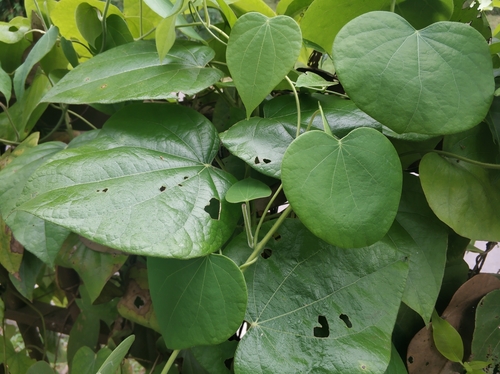
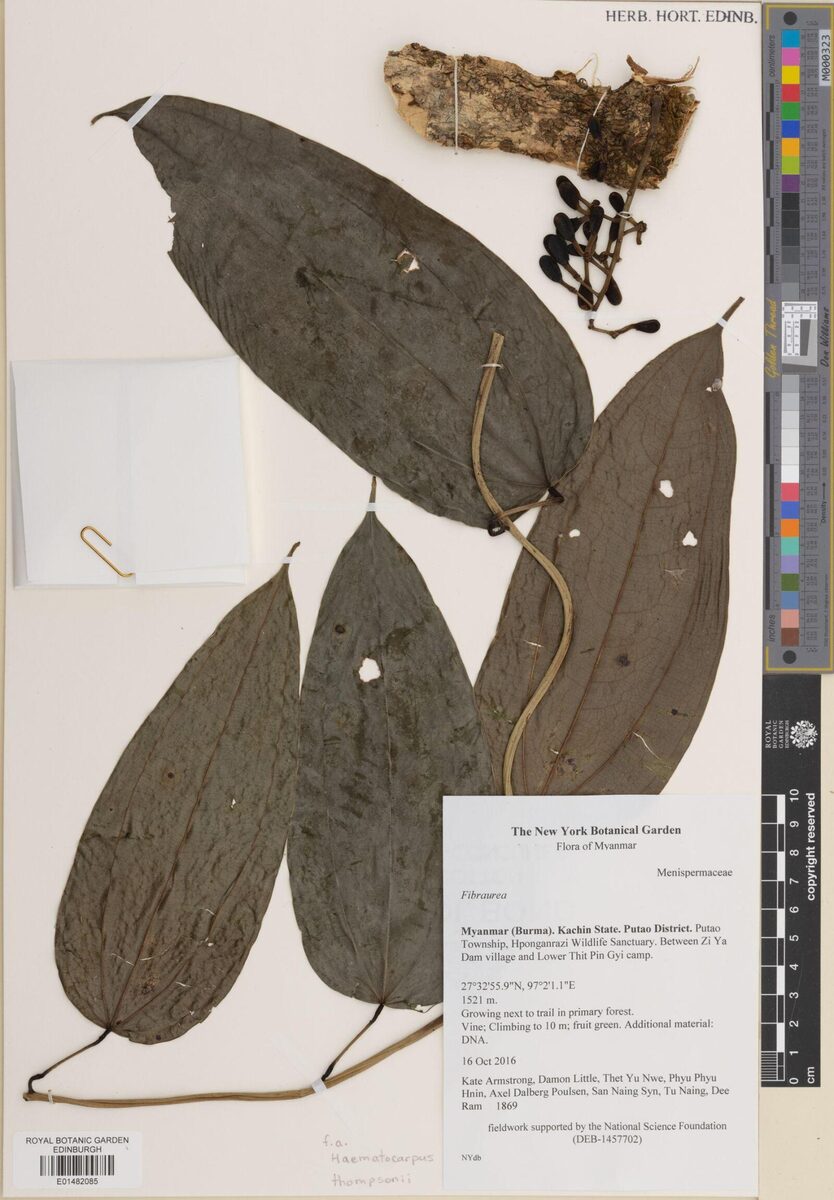
Tinospora glabra
(Burm.f.) Merr.
iNaturalist· cc-by-nc
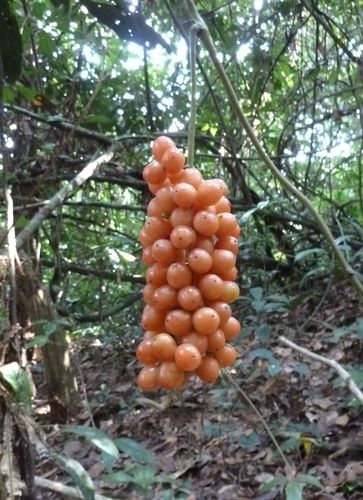
(c) Nelson Wong, some rights reserved (CC BY-NC), uploaded by Nelson Wong
iNaturalist· cc-by-nc
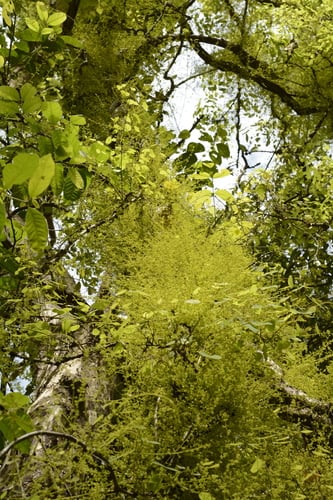
(c) Nelson Wong, some rights reserved (CC BY-NC)
Description
A climbing shrub. The stems twine around other plants. Plants are separately male and female.
This description is brief — help expand it
Edible Uses
The leaves and stems are stir-fried or cooked in vegetable mixes.
Traditional Uses
The leaves and stems are stir-fried or cooked in vegetable mixes.
This uses section is brief — help expand it
Medicinal Uses
The burnt leaves are used to treat pinworms. The ground bark is applied to sore breasts of nursing mothers. Tinospora glabra has many more medicinal applications, but the exact usage is unclear because of confusion with Tinospora crispa; the latter is said to be the more effective medicine.
Distribution
It is a tropical plant. It grows up to 500 m above sea level. It is often on limestone.
Where It Grows
Andamans, Asia, India, Indonesia, Malaysia, Papua New Guinea, PNG, Philippines, SE Asia, Solomon Islands,
Cultivation
The plant is very frequently found on limestone soils in the wild and also grows on black soils in areas where there is a distinct dry season. A dioecious species, both male and female forms need to be grown if seed is required.
Other Uses
Some species in this genus are the larval hosts of fruit-piercing noctuid moths that cause significant damage to crops of Citrus (particularly Mandarins) and Dimocarpus longan (Longan) in Thailand.
Synonyms
Also Known As
Kamboli
References (2)
- Chauhan, S. H., et al, 2018, Consumption patterns of wild edibles by the Vasavas: a case study from Gujarat, India. Journal of Ethnobiology and Ethnomedicine (2018) 14:5
- World Checklist of Useful Plant Species 2020. Royal Botanic Gardens, Kew