Cyathea hornei
(Baker) Copel
Dingo dingo, Reve
wikimedia· pd
Wikimedia Commons (via Wikimedia Commons)
Description
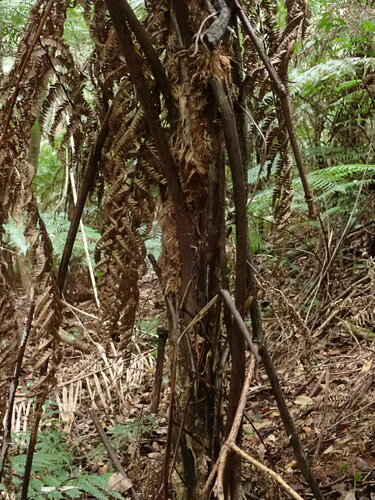
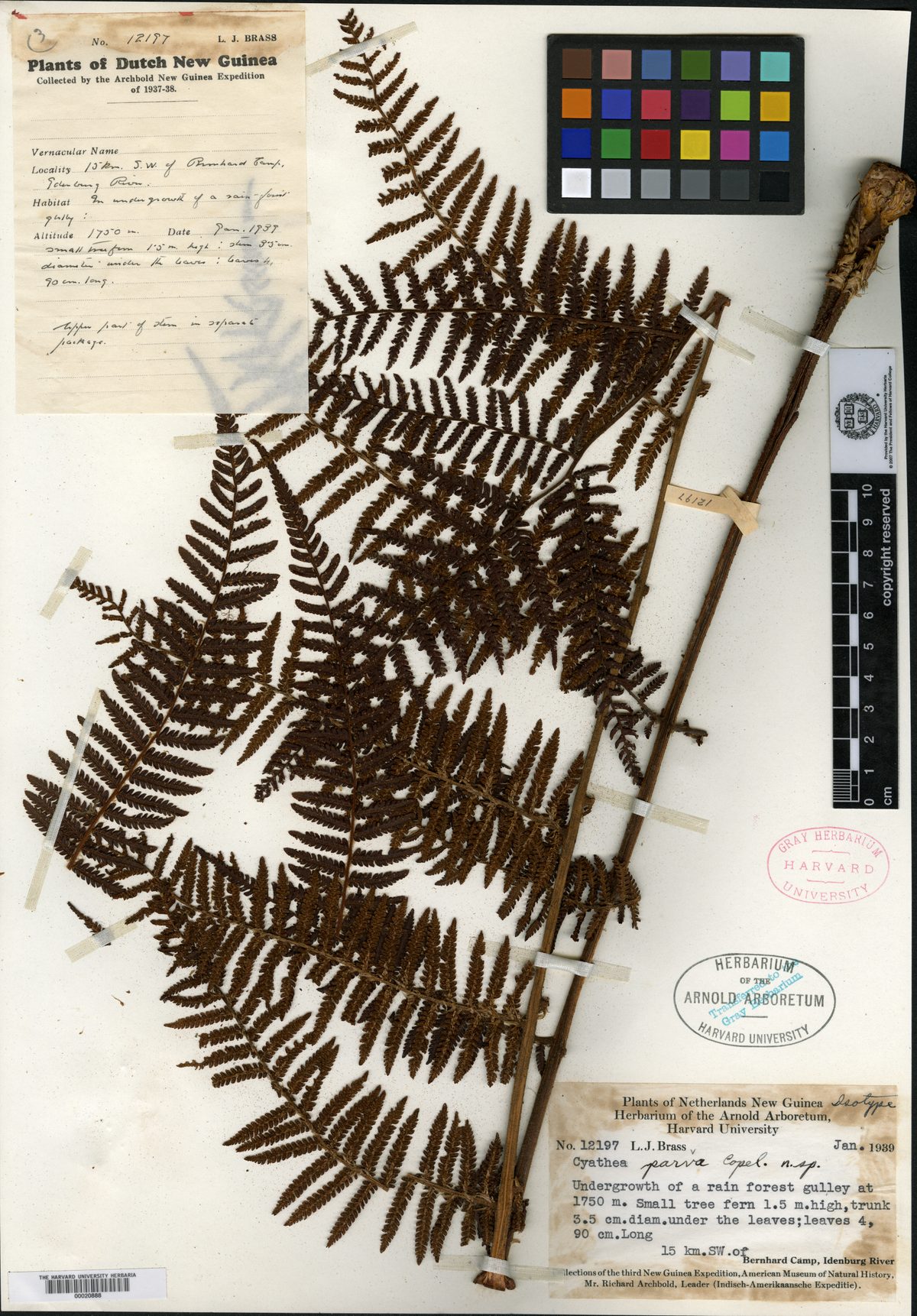
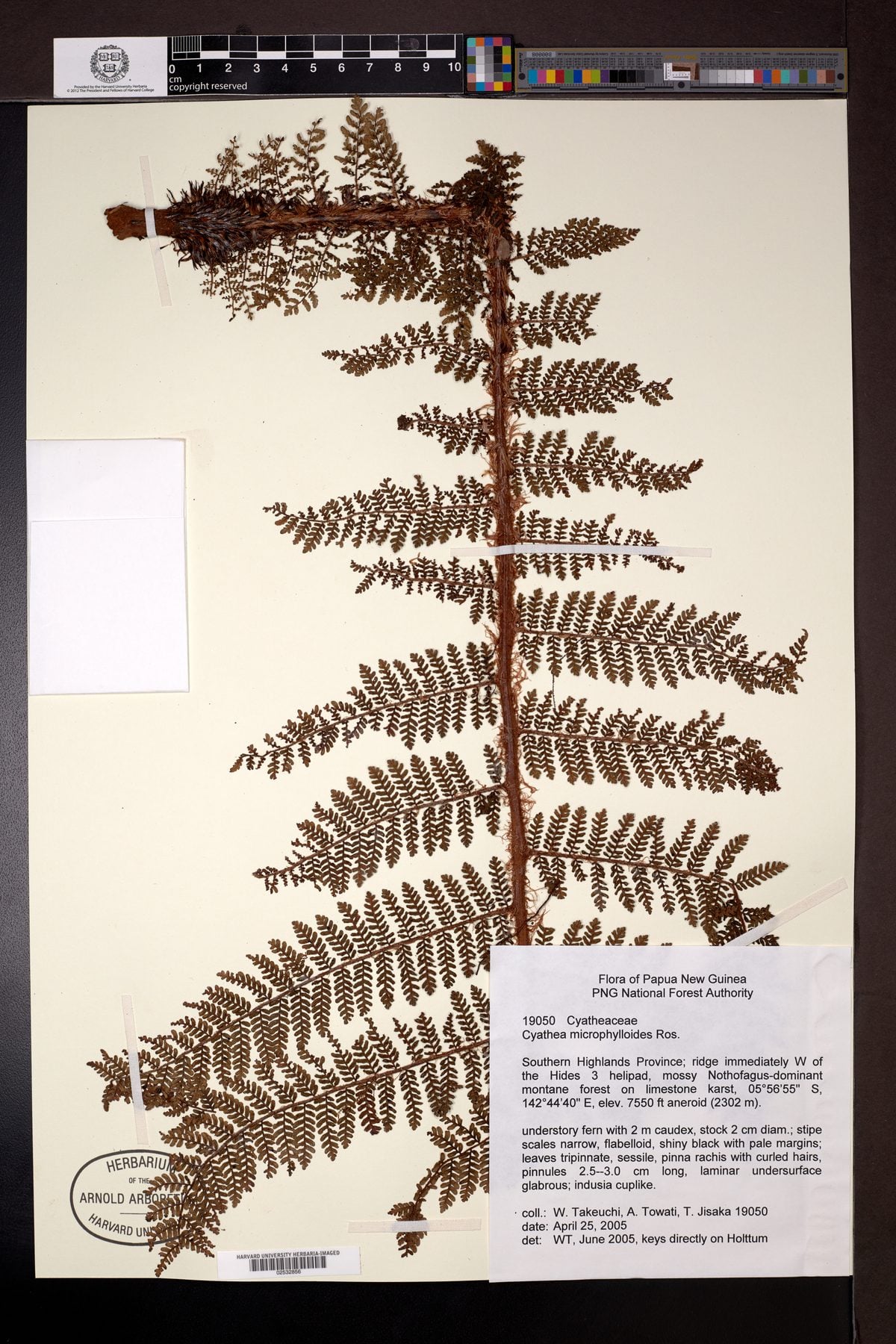
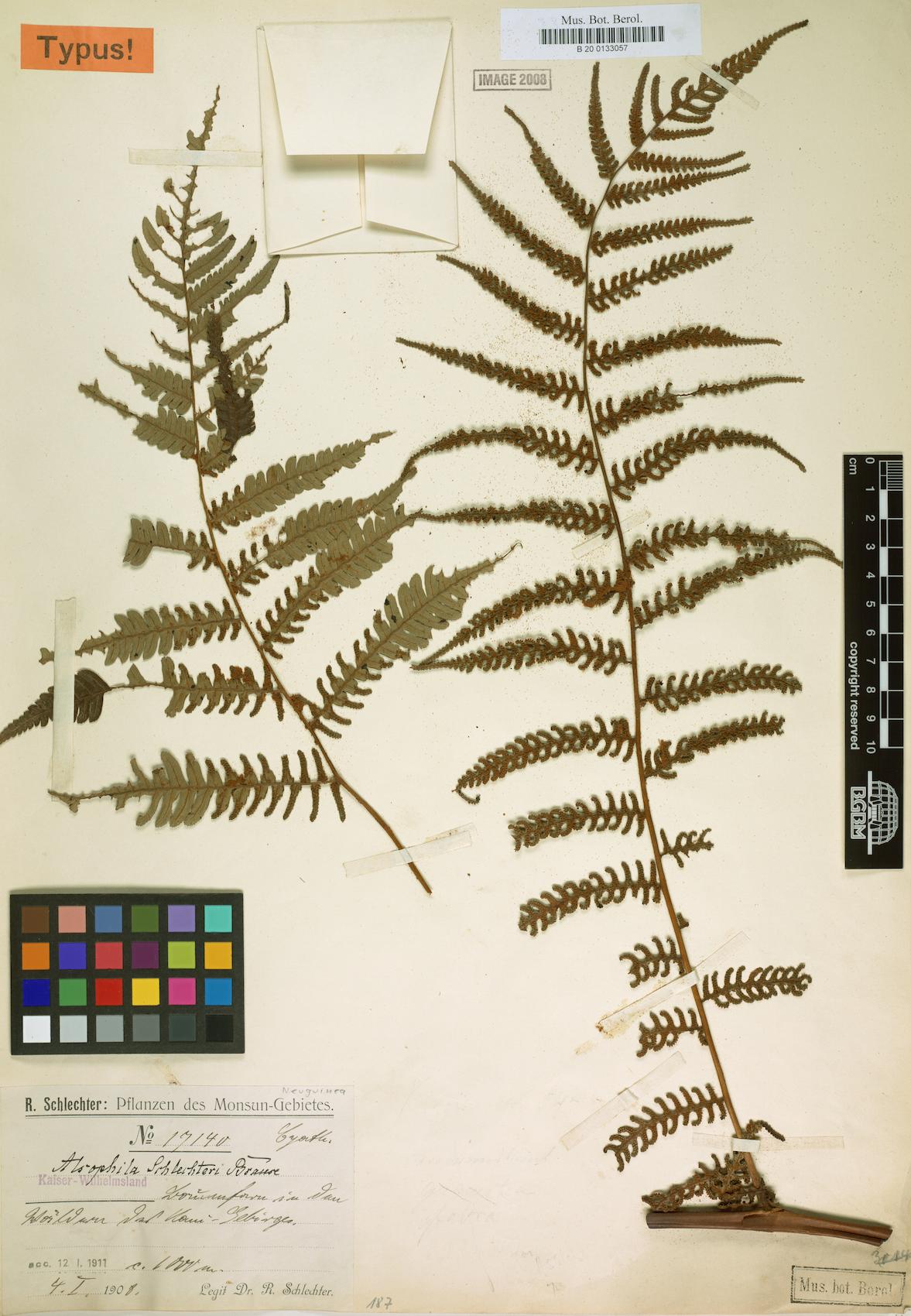
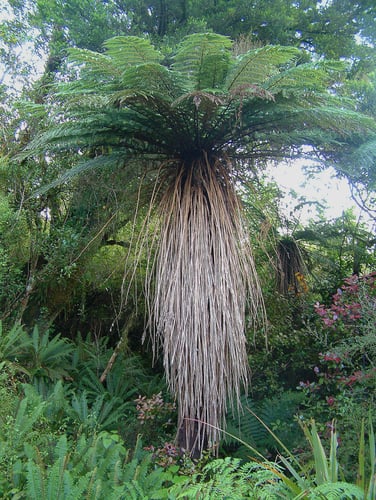
A tree fern. It is rather slender in the trunk and 3-4 m high. The stem of the frond is 25 cm long and very dark. The part near the base has pale edged scales. The lower leaflets on the stalk are reduced and narrow. The largest leaflets are 40-50 cm long. There fertile and sterile leaflets have different shapes. The fertile ones are 50-60 mm long by 11-17 mm wide. (It is smaller in size than other tree ferns and rhizomes or suckers which produce new plants. The ferns therefore occur in a clump.)
Edible Uses
The young fronds are occasionally cooked and eaten.
Traditional Uses
The young fronds are occasionally cooked and eaten.
This uses section is brief — help expand it
Distribution
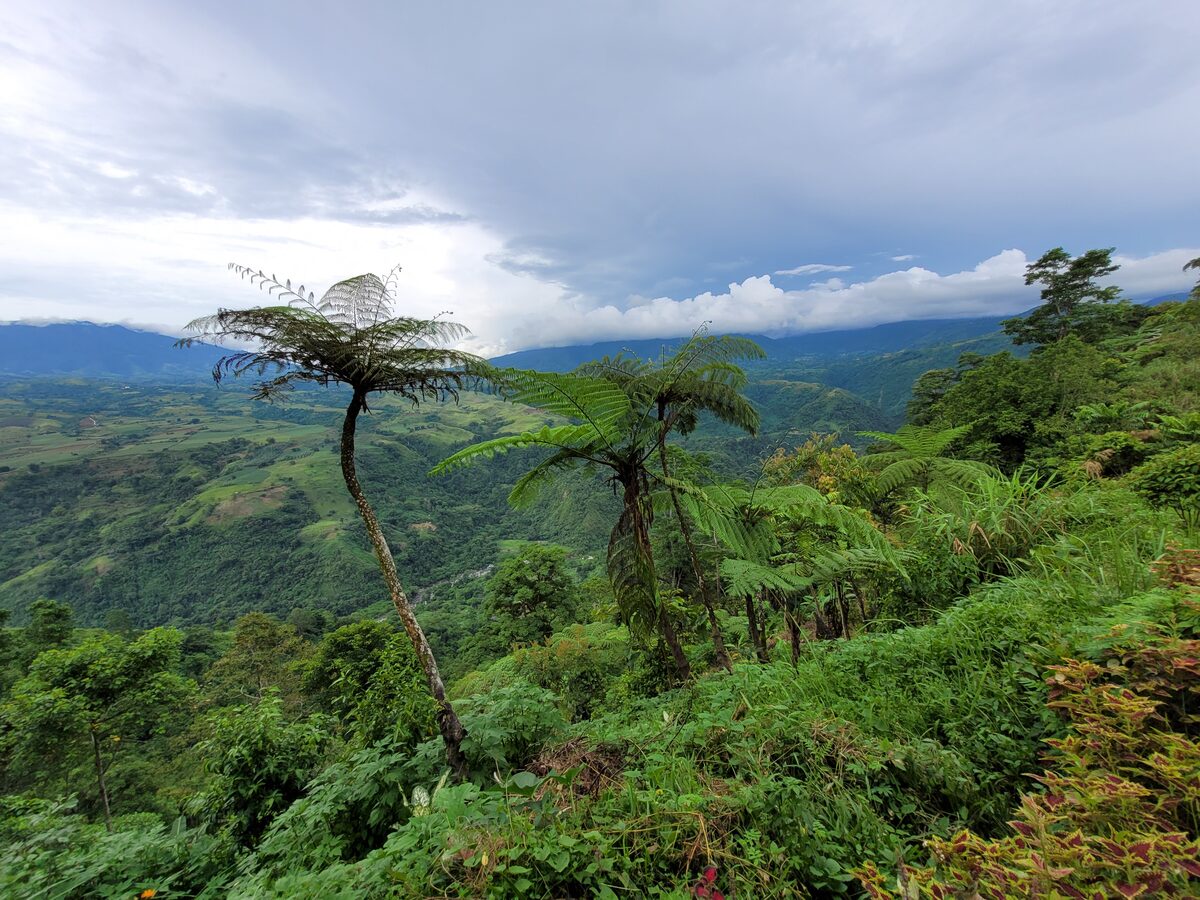
It is a tropical plant. It grows in wet forest and stunted mossy forest. It grows between about 700 and 2,000 m altitude.
Where It Grows
Asia, Fiji, Malaysia, Pacific, Papua New Guinea, PNG, SE Asia, Solomon Islands,
Cultivation
It can be grown from the rhizomes or suckers that develop at the base of the plant.
Notes
There are about 800 Cyathea species.
Synonyms
References (5)
- Flora Malesiana Ser 2, Vol 1(2) 1963 p
- Flora of Solomon Islands
- French, B.R., 2010, Food Plants of Solomon Islands. A Compendium. Food Plants International Inc. p 110
- Henderson, C.P. and I.R.Hancock, 1988, A Guide to the Useful Plants of the Solomon Islands. Res. Dept. Min of Ag. & Lands. Honiara, Solomon Islands. p 96
- Large, M.F., & Braggins, J.E., 2004, Tree Ferns. CSIRO Publishing, Melbourne, Australia. p 143