Ayenia catalpifolia
(Jacq.) Christenh. & Byng.
gbif· cc-by-nc-sa
MBG
gbif· cc0
Royal Botanic Garden Edinburgh
gbif· cc0
Royal Botanic Garden Edinburgh
Description
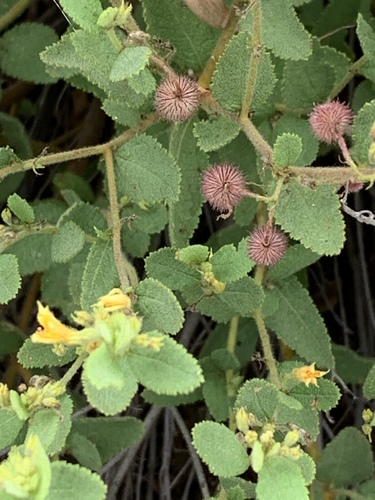
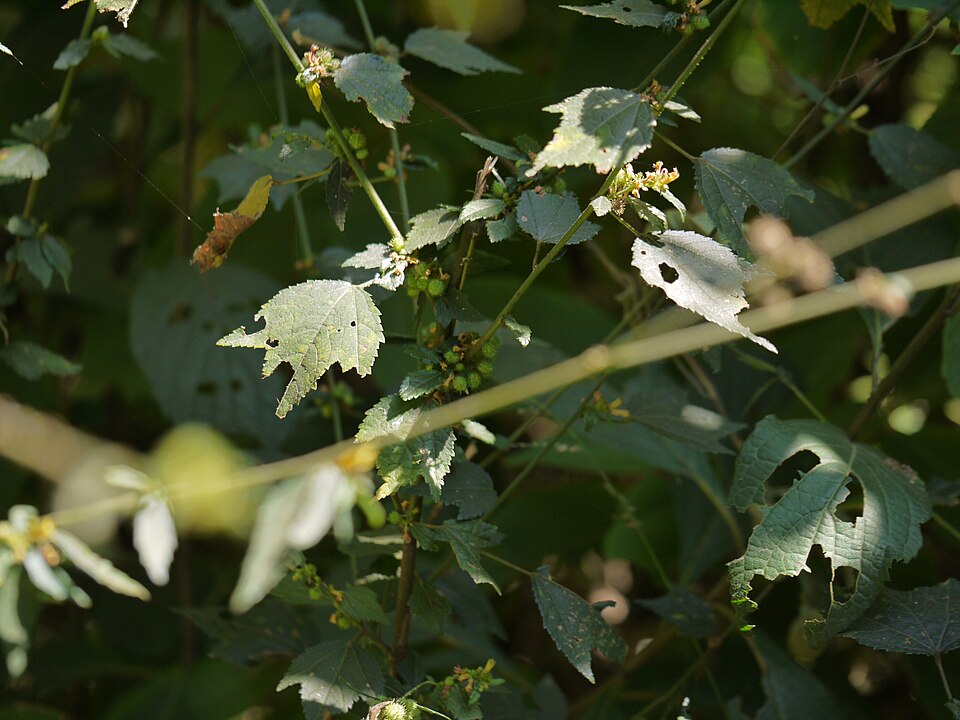
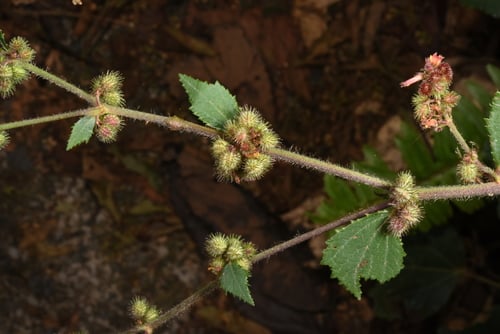
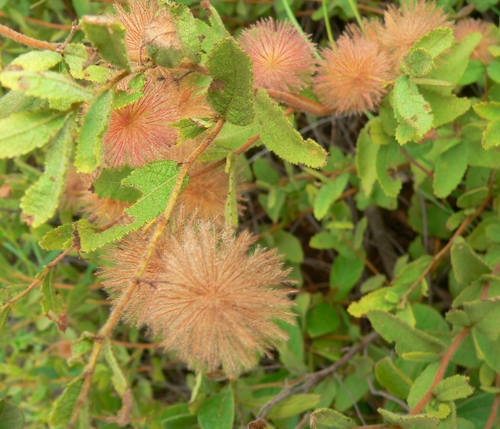
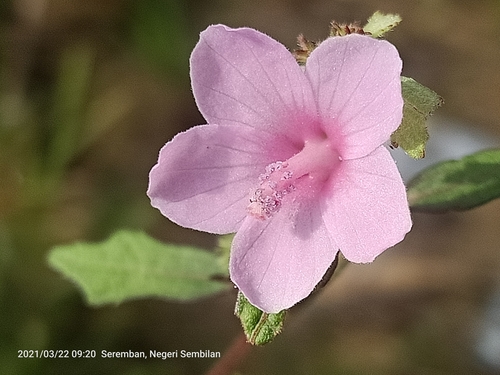
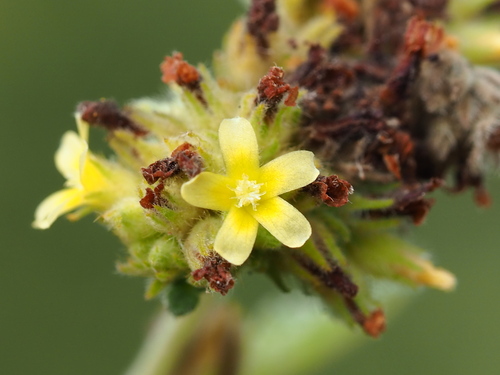
A creeper. It grows 2 m long. It has a taproot. The bark can be white or red. The leaves are oval and 7-16 cm long by 4-12 cm wide. There have teeth along the edge. The flowers are white. The fruit are 1.2-2.5 cm long and 1.5-3.2 cm wide.
Edible Uses
The bark and seeds are edible. The sap from the bark is traditionally used to make a sauce.
Traditional Uses
The sap from the bark is used to make a sauce.
This uses section is brief — help expand it
Medicinal Uses
The bark sap is used to make a sauce.
Distribution
It is a tropical plant. In Colombia it grows between 40-1,050 m above sea level.
Where It Grows
Africa, Belize, Bolivia, Brazil, Central America, Colombia, Costa Rica, Dominican Republic, Ecuador, El Salvador, Guatemala, Honduras, Ivory Coast, Marquesas, Mexico, Nicaragua, Panama, Peru, Trinidad-Tobago, Venezuela, West Indies,
Notes
It has also been put in the family Sterculiaceae.
Synonyms
References (1)
- World Checklist of Useful Plant Species 2020. Royal Botanic Gardens, Kew