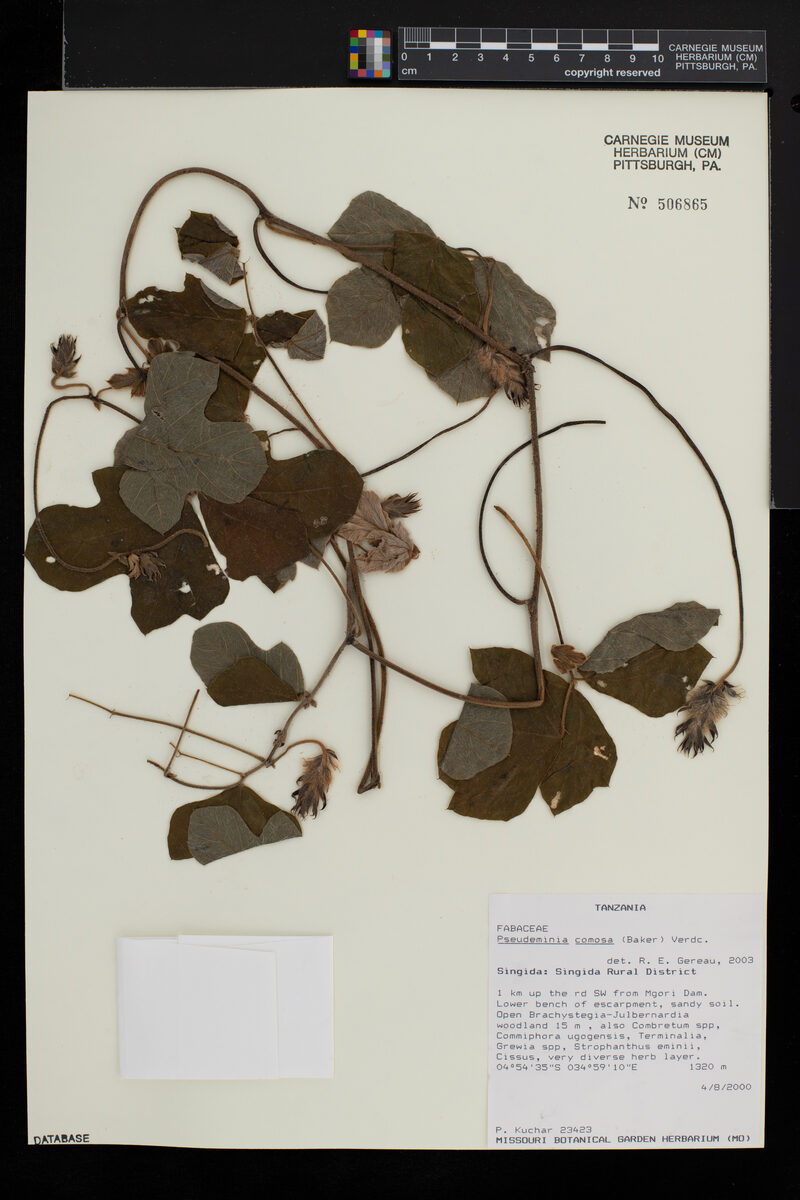
Adesmia lotoides
Hook.f.
iNaturalist· cc-by-nc
(c) Sebastián Lescano, some rights reserved (CC BY-NC), uploaded by Sebastián Lescano
iNaturalist· cc0
no rights reserved, uploaded by Tabaré Barreto
Summary
Nitrogen-fixing perennial with hermaphrodite flowers. Grows in light sandy soils with good drainage and mildly acid to basic pH. Requires full sun and tolerates both dry and moist conditions. Salt-tolerant for maritime exposure.
Description
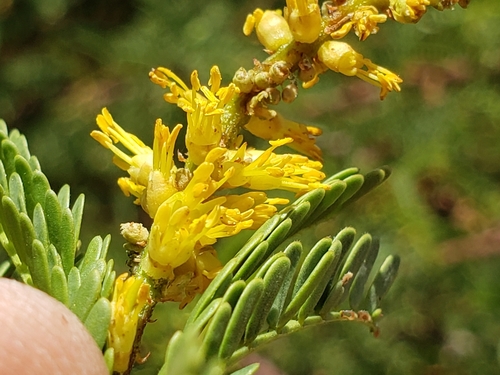
A herb. It is 3-10 cm tall. It has rhizomes. They are large and flexible. The leaves 1-2 cm long and without stalks. They are narrow. The flowers occur singly and are 9-12 mm long. They are yellow.
Edible Uses
The rhizome is edible. No further details are available.
Traditional Uses
The rhizome is reported as eaten.
This uses section is brief — help expand it
Medicinal Uses
None known.
Distribution
It is a temperate plant. It grows naturally on open soil and sand, coastal scrub to 40 metres in Tierra del Fuego and north to 50° in Chile and 41° in Argentina. It grows in Patagonia.
Where It Grows
Argentina, Chile, South America,
Cultivation
We have very little information on this species and do not know if it will be hardy in Britain, though judging by its native range it should succeed outdoors at least in the milder areas of the country. Judging by its native habitat, it is likely to need a well-drained light soil in a sunny position and to be tolerant of maritime exposure. This species has a symbiotic relationship with certain soil bacteria, these bacteria form nodules on the roots and fix atmospheric nitrogen. Some of this nitrogen is utilized by the growing plant but some can also be used by other plants growing nearby.
Propagation
Pre-soak seed for 12 hours in warm water, then sow in a greenhouse in spring. Prick seedlings into individual pots once large enough to handle, grow on through at least the first winter under cover, and plant out in late spring or early summer.
Other Uses
None known. The plant is a nitrogen fixer.
Also Known As
Kiarksh
References (4)
- Leon-Lobos, P., et al, 2022, Patterns of Traditional and Modern Uses of Wild Edible Native Plants of Chile: Challenges and Future Perspectives. Plants (Basel) v 11 (6) Table S1
- Molares, S. & Ladio, A., 2012, The Usefulness of Edible and Medicinal Fabaceae in Argentine and Chilean Patagonia: Environmental Availability and Other Sources of Supply. Evidence-Based Complementary and Alternative Medicine. Volume 2012, Article ID 901918, 12 pages, Hindawi Publishing Corporation.
- Plants for a Future database, The Field, Penpol, Lostwithiel, Cornwall, PL22 0NG, UK. http://www.scs.leeds.ac.uk/pfaf/
- www.hidawi.com/journals/ecam/2012/901918/tab1/