Vatica pauciflora
(Korth.) Blume
iNaturalist· cc-by-nc
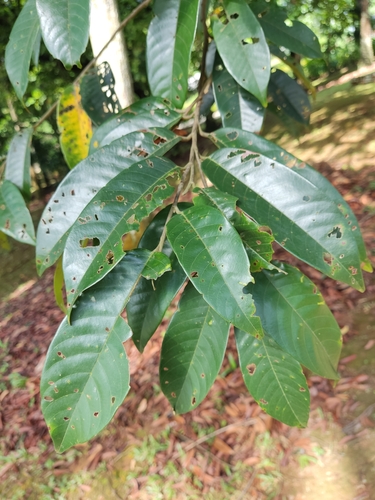
(c) Pizzas fear me, some rights reserved (CC BY-NC), uploaded by Pizzas fear me
iNaturalist· cc-by-nc
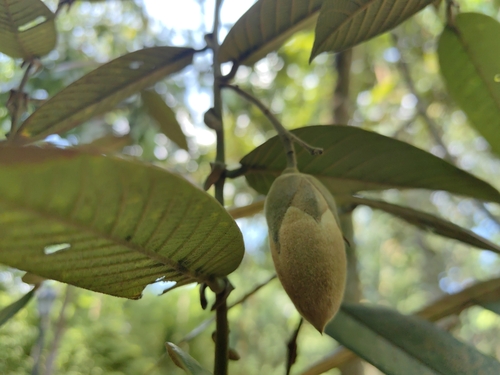
(c) Muhammad Iqbal, some rights reserved (CC BY-NC)
Summary
Source: WikipediaVatica pauciflora is a species of tree in the family Dipterocarpaceae. The specific epithet pauciflora is Latin for 'few-flowered'.
Description
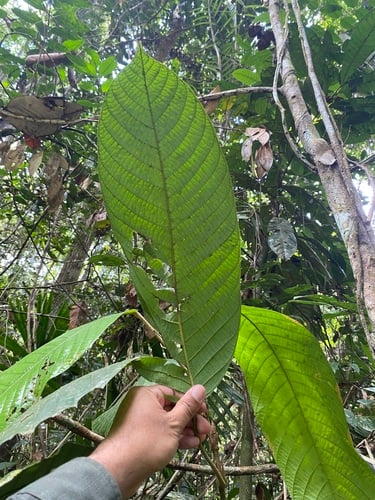
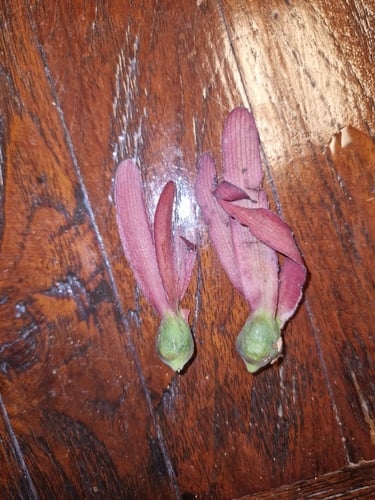
A tree. It grows 25 m tall. The leaves are narrowly oval to sword shaped. They are simple and arranged alternately. They are 7-20 cm long by 2-8 cm wide. The flowers are white or pale yellow and in the axils of leaves near the ends of branches. The fruit is a brown nut 3 cm wide.
Distribution
It is a tropical plant. It grows in freshwater swamps and along rivers.
Where It Grows
Asia, Malaysia, SE Asia, Singapore, Thailand, Vietnam,
Cultivation
A plant of moist tropical lowlands.
Other Uses
The wood is hard, somewhat durable. It is used locally for house posts and other minor construction. We have no more information on the wood of this species. However, the following is a general description of the wood for members of this genus;- The heartwood is yellowish when fresh, turning light to deep red-brown upon exposure; it is generally not sharply demarcated from the lighter coloured sapwood. The texture is rather fine and even; the grain straight or shallowly interlocked; not lustrous; there is no distinctive taste or odour when dry. The heartwood, particularly that of the denser species, is rated as durable to very durable; with a good resistance to termites. It is generally reported to air season slowly, but with some warp and checking. Philippine species are reported to dry well with little degrade. The wood is said to be difficult to saw because of clogging due to gummy resins, otherwise it machines well to a smooth finish; turns well. The wood is used for purposes such as turnery, heavy construction, mining timbers, railroad crossties, boat construction; it is also suggested for flooring, interior joinery, and cabinetwork.
Synonyms
Also Known As
Resak rawa
References (1)
- World Checklist of Useful Plant Species 2020. Royal Botanic Gardens, Kew