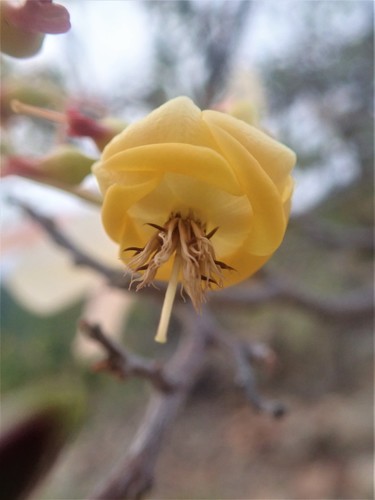
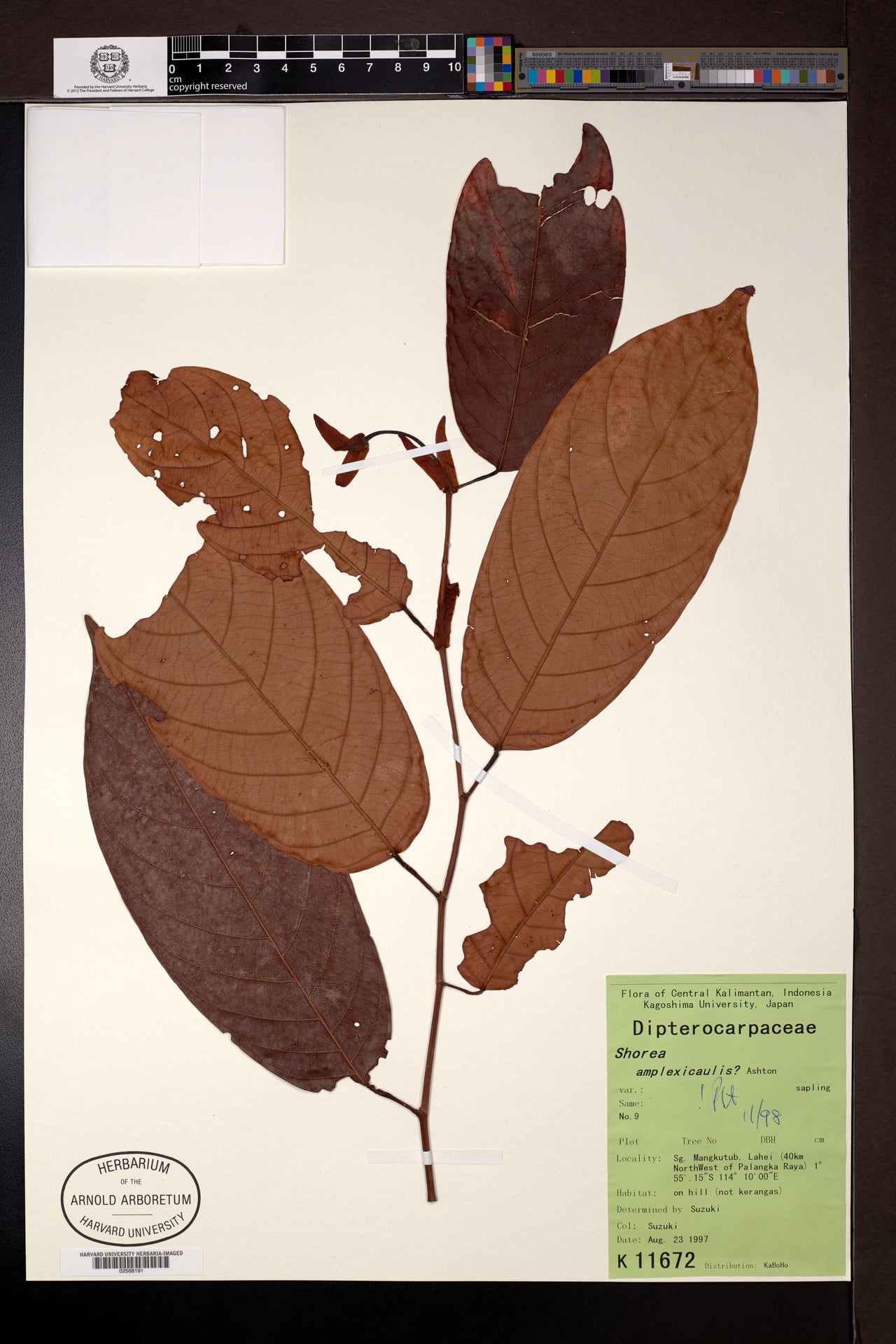
Shorea hemsleyana
King
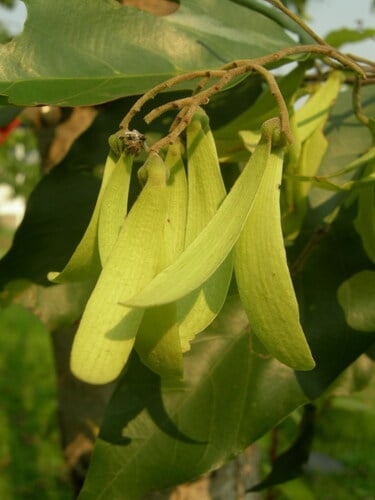
iNaturalist· cc-by-nc
(c) Muhammad Iqbal, some rights reserved (CC BY-NC)
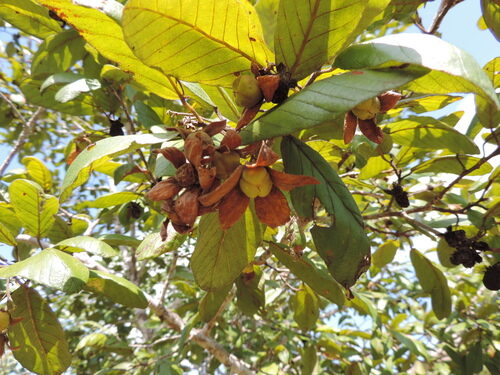
iNaturalist· cc-by-nc
(c) Muhammad Iqbal, some rights reserved (CC BY-NC)
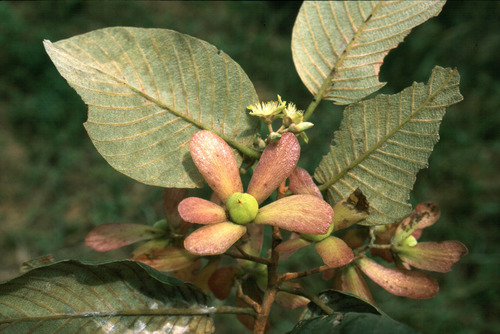
iNaturalist· cc-by-nc
(c) Muhammad Iqbal, some rights reserved (CC BY-NC)
Description
A tall tree. It can be 30 m high. It can be 23 m to the first branch. The trunk can be 2-3 m around.
This description is brief — help expand it
Edible Uses
Both the fruit and nuts are eaten; the nuts are processed for oil.
Medicinal Uses
An edible fat obtained from the seed is easily absorbed by the skin. It can be used to treat skin problems and is often used as a carrier to apply other substances to the skin.
Distribution
A tropical plant. It grows in low lying and often swampy land.
Where It Grows
Asia, Malaysia, SE Asia,
Propagation
We have no specific information for this species - the information below is a general guide for the genus. Seed - best sown as soon as possible. It does not require pre-treatment, but it is recommended to soak the seed for 12 hours prior to sowing. The seeds are sown in seedbeds, where they are covered with a mixture of sand and soil (1:1) or with a thin layer of sawdust. Germination of fresh seeds is usually good and rapid. About two weeks after germination, when the seedlings are 5 - 6cm tall, they are potted up into individual containers about 15 x 23cm with good drainage holes at their base. It is normally recommended to use a mixture of forest soil and sand (at a ratio of 3:1) as the potting medium in order to introduce the appropriate mycorrhiza to the roots. The seedlings are placed in 50 - 60% sunlight and watered twice daily. Seedlings can be planted out when 30 - 40cm tall - harden the seedlings off in full sunlight for one month prior to planting.
Other Uses
The seeds of many species in this genus, including this species, yield an oil that has an unusually high melting point and is solid at room temperature. Average yields range from 45 - 70% according to species. The fat is somewhat similar to Cacao butter (obtained from Theobroma spp.) and can be used in a variety of ways, often combined with cacao butter. In addition to it being edible, it has medicinal uses and can be used in making soap, candles, polishes and cosmetics. The ovoid seeds are up to 7cm long and 3cm wide. The heartwood is dark pink-brown to a dark-red, weathering to a dark red-brown; it is clearly demarcated from the sapwood, which is yellowish with a grey tinge. The texture is coarse and even; the grain is interlocked and sometimes wavy; white-coloured resin canals may be seen on the surface; planed surfaces are lustrous witha prominent stripe figure. The wood is not durable when exposed to the elements. It is easy to saw, plane, turn, bore and peel; it produces a smooth planed surface. An extremely popular general utility timber, it is suitable for furniture, high class interior finishing, flooring, panelling and partitioning, mouldings and skirtings, fancy doors, sliced and rotary cut veneers.
Synonyms
Also Known As
Chengal pasir, Engkabang gading, Sama rupa chengal, Kepong, Kepong hatu
References (3)
- Blicher-Mathiesen, U., 1994, Borneo Illipe, A Fat Product from Different Shorea spp. (Dipterocarpaceae). Economic Botany Vol. 48, No. 3, pp. 231-242
- Burkill, I.H., 1966, A Dictionary of the Economic Products of the Malay Peninsula. Ministry of Agriculture and Cooperatives, Kuala Lumpur, Malaysia. Vol 2 (I-Z) p 2047
- Coolen, Q. T., 2013, The Illipe nut (Shorea spp.) as additional resource in plantation forestry. Van Hall Larenstein University and Sarawak Forestry.