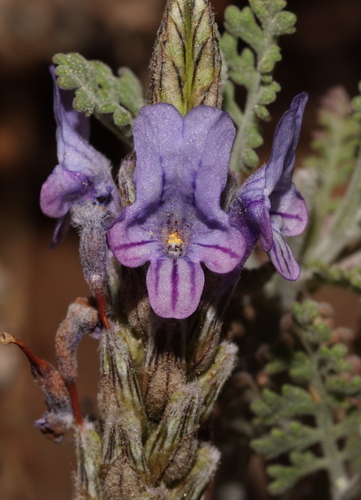
Micromeria imbricata
(Forssk.) C. Chr.
iNaturalist· cc-by-nc
(c) lougarou, some rights reserved (CC BY-NC), uploaded by lougarou
iNaturalist· cc-by-sa
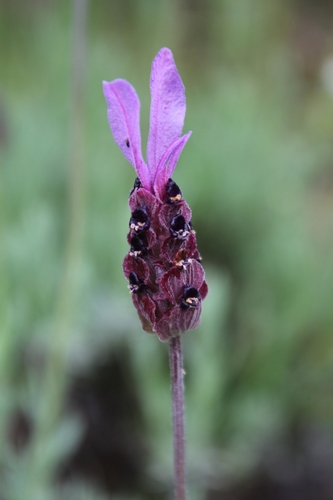
(c) Fabien Anthelme, some rights reserved (CC BY-SA)
Summary
Source: WikipediaMicromeria imbricata is a species of flowering plant in the family Lamiaceae, native to Africa and the Arabian Peninsula. It was first described by Peter Forsskål in 1775 as Thymus imbricatus.
Description
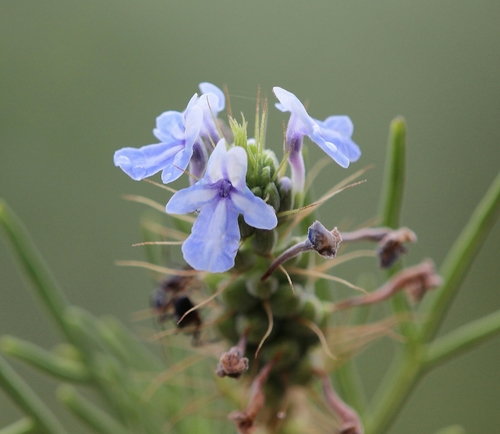
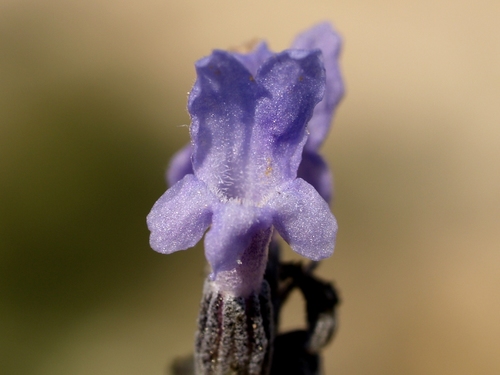
A spreading herb. It has a woody base. It has wiry stems 25 cm long. The leaves are oval and 0.2-1.7 cm long by 0.1-1.1 cm wide. The flowers are small and pink.
Edible Uses
The leaves may have medicinal uses.
Distribution
It is a tropical plant. It grows in mountain grassland. In Somalia it grows between 1,260-2,100 m above sea level.
Where It Grows
Afghanistan, Africa, Angola, Asia, China, Burundi, Cameroon, Chad, Congo DR, Djibouti, Eritrea, Ethiopia, India, Kenya, Lesotho, Malawi, Middle East, Mozambique, Nigeria, Oman, Rwanda, Saudi Arabia, Socotra, Somalia, South Africa, Sudan, Tanzania, Uganda, West Africa, Yemen, Zambia, Zimbabwe,
Synonyms
References (1)
- World Checklist of Useful Plant Species 2020. Royal Botanic Gardens, Kew